
Loading…
Loading…
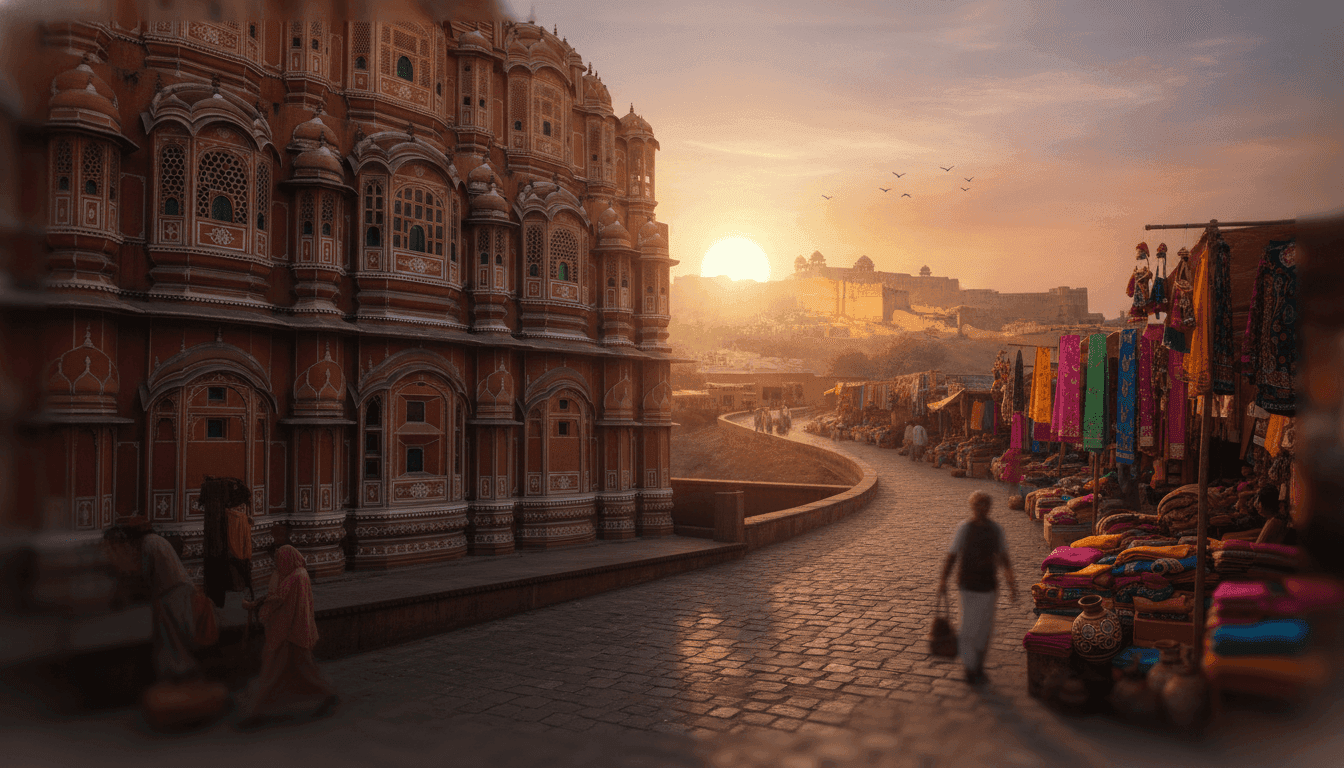
Explore Jaipur's historic forts, palaces, colourful markets and cultural attractions with this guide to the best places to visit in Jaipur and memorable things to do.
Jaipur is a city that leaves an impression long after the journey ends. Known as the Pink City Jaipur, it brings together grand forts, elaborate palaces, colourful bazaars, traditional crafts and centuries of history within a destination that feels both historic and lively.
Founded in 1727 by Maharaja Sawai Jai Singh II, Jaipur was designed with a planned urban layout and has grown into one of Rajasthan's most visited destinations. Its distinctive architecture and pink-hued old city have become closely associated with the identity of the city.
Whether you are visiting for the first time or returning to explore it at a slower pace, the places to visit in Jaipur offer something for different kinds of travellers. History enthusiasts can explore forts and palaces, while food lovers, shoppers and photographers can discover another side of the city through its streets and markets.
Jaipur is not simply a collection of monuments. What makes the city memorable is the way history exists alongside everyday life.
You can spend the morning exploring a centuries-old fort, walk through a busy market in the afternoon and end the day enjoying traditional Rajasthani food. The contrast between monumental architecture and the rhythm of modern Jaipur is part of what makes the city so engaging.
The old city, with its distinctive pink buildings and bustling streets, provides a particularly strong sense of place. For travellers interested in architecture, culture and photography, simply walking through different parts of Jaipur can become an experience in itself.
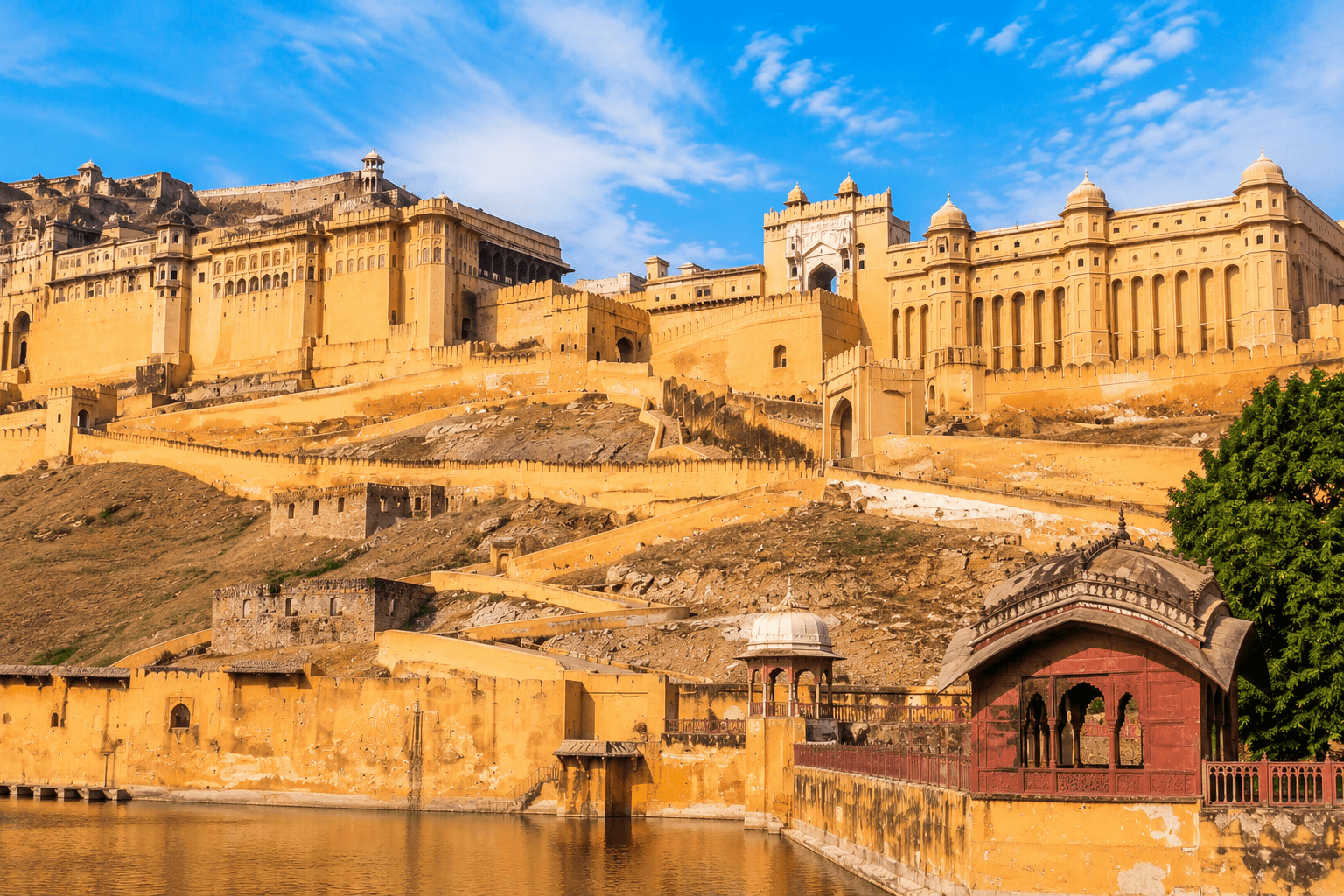
Amber Fort is one of the most impressive Jaipur tourist places and an essential stop for first-time visitors. Located on a hilltop outside the main city, the fort combines imposing defensive walls with elaborate palaces, courtyards and decorative interiors.
The architecture reflects a blend of Rajput and Mughal influences, visible in its gateways, halls, gardens and ornamental details. The elevated location also provides expansive views of the surrounding landscape.
Give yourself enough time to explore the complex rather than treating Amber Fort as a quick photo stop. The courtyards and palace sections reveal different aspects of Jaipur's royal history and make the visit particularly worthwhile for travellers interested in architecture.
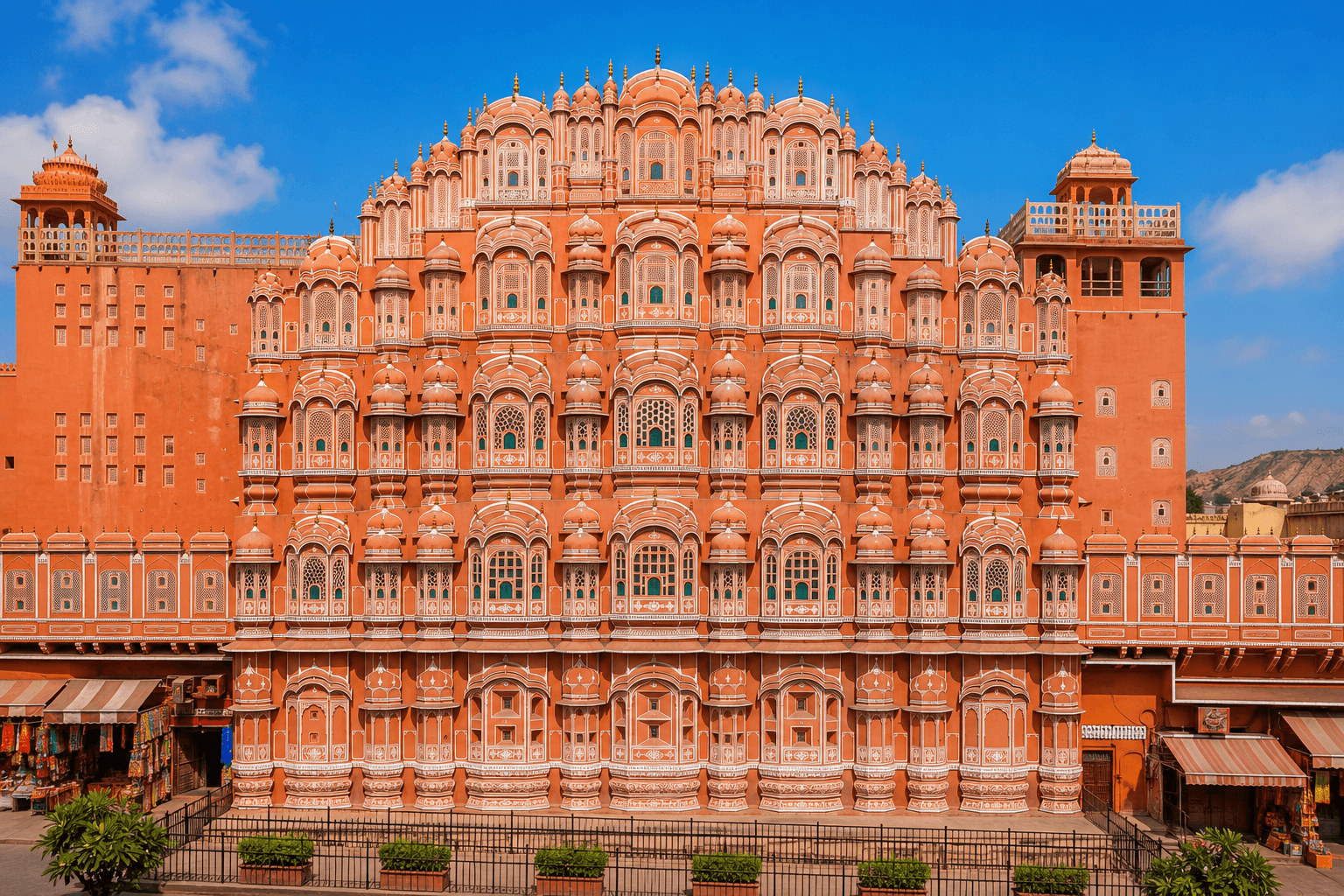
Few landmarks represent Jaipur as instantly as Hawa Mahal. Its distinctive façade, filled with numerous small windows and jharokhas, has become one of the city's most recognisable architectural symbols.
Built in 1799, the structure was designed to allow royal women to observe everyday life and processions on the street without being easily seen from outside. Its intricate façade also allows air to circulate through the many openings.
The best way to appreciate Hawa Mahal is not only to photograph the famous exterior but also to explore the surrounding streets. The area around the monument offers an opportunity to experience the energy of the old city.
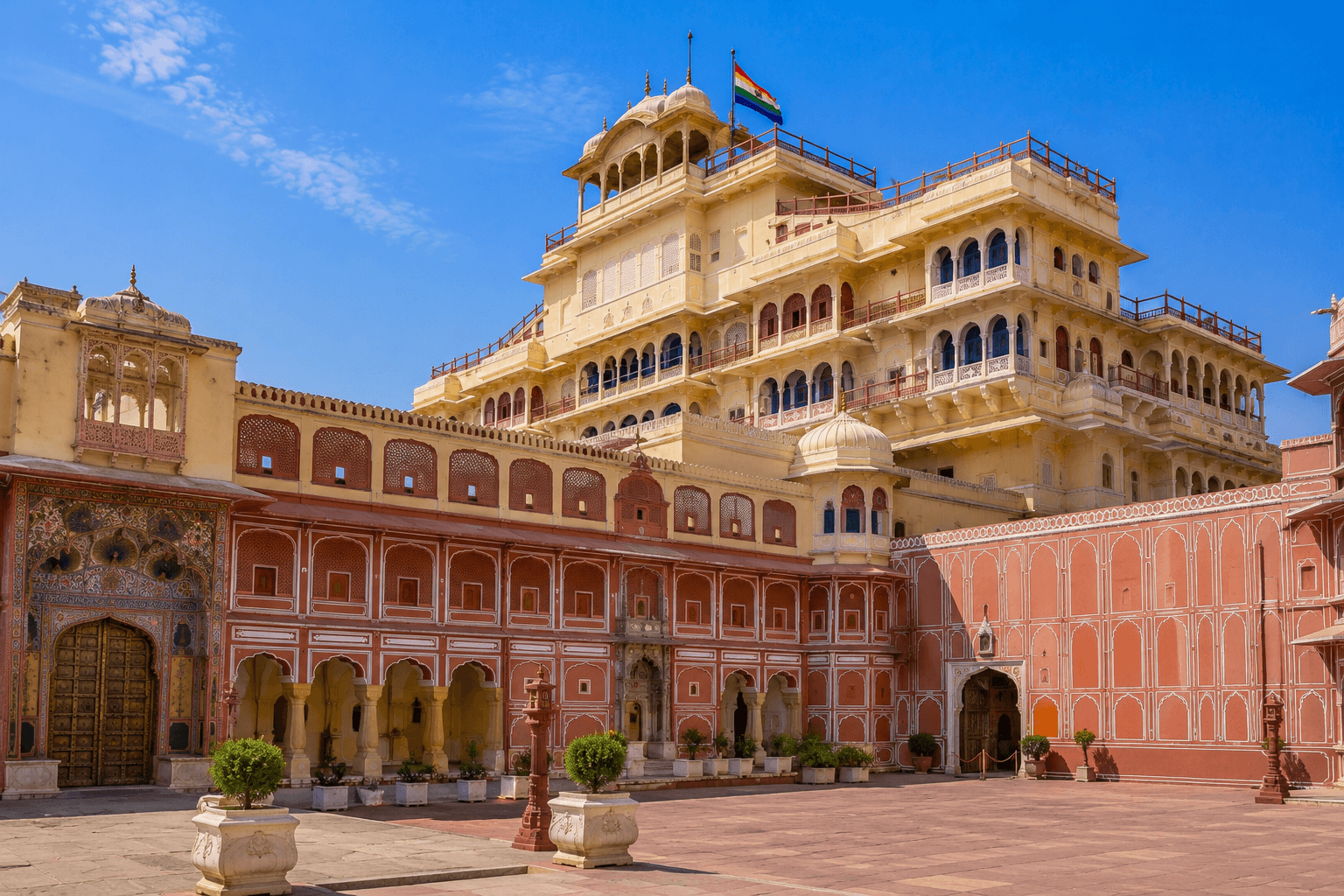
Located in the heart of Jaipur's old city, the City Palace offers an insight into the royal heritage of the region. The complex includes courtyards, gateways, gardens and buildings displaying a combination of Rajput, Mughal and European architectural influences.
Visitors can explore museum collections, royal artefacts, textiles, weapons and decorative objects that provide context to Jaipur's history and former royal traditions.
Its central location also makes the City Palace convenient to combine with other attractions in the old city. You can visit the palace and then continue exploring nearby markets and heritage streets on foot or by local transport.
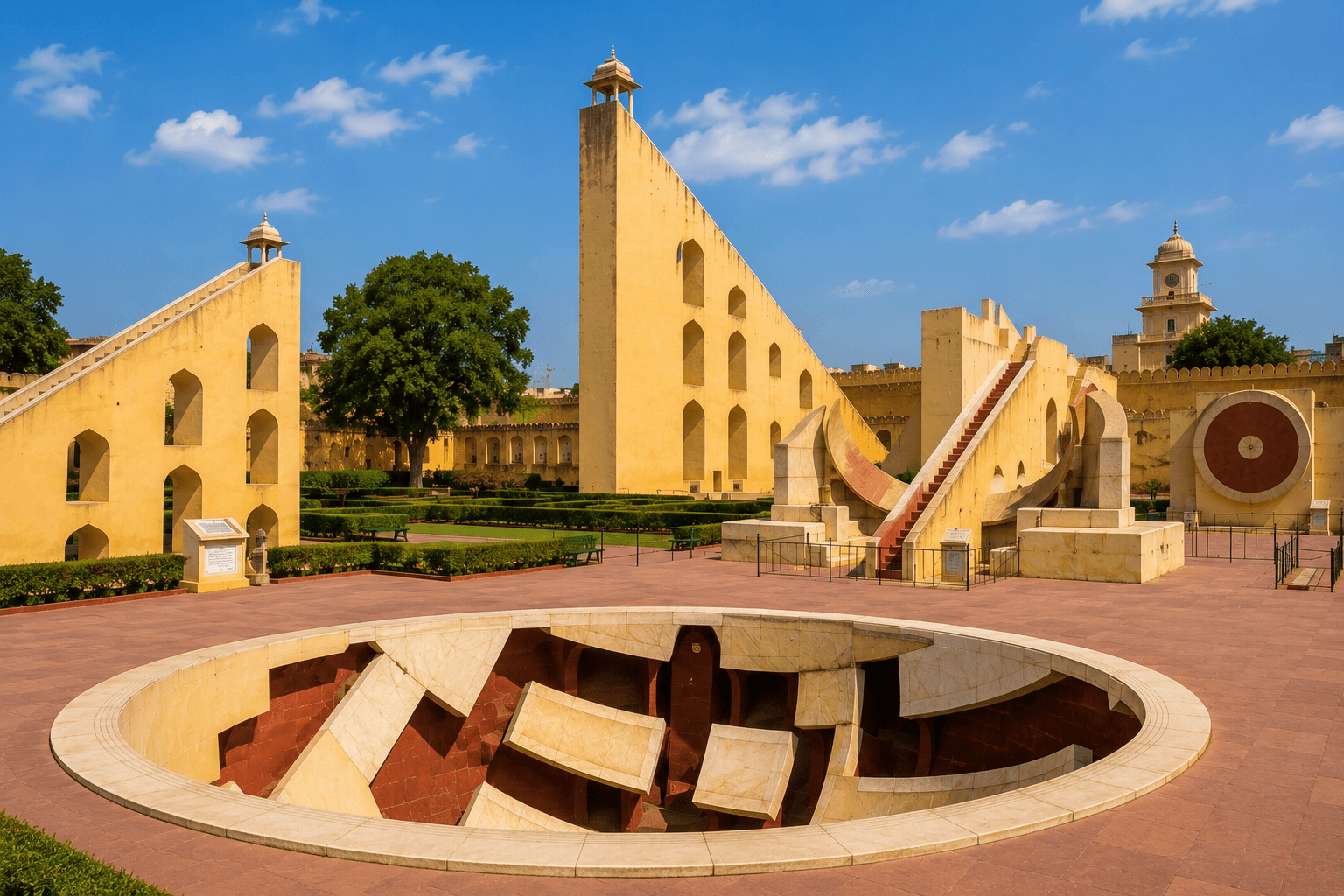
For travellers interested in science and history, Jantar Mantar offers a completely different experience. The UNESCO World Heritage-listed astronomical observatory contains a collection of monumental instruments designed to observe celestial bodies and measure time.
The observatory was commissioned by Maharaja Sawai Jai Singh II, who built similar observatories in several cities. The Jaipur complex is the largest and most significant of these surviving observatories.
Walking through Jantar Mantar is a reminder that Jaipur's heritage is not limited to palaces and forts. The city's history also includes remarkable developments in astronomy, mathematics and scientific observation.
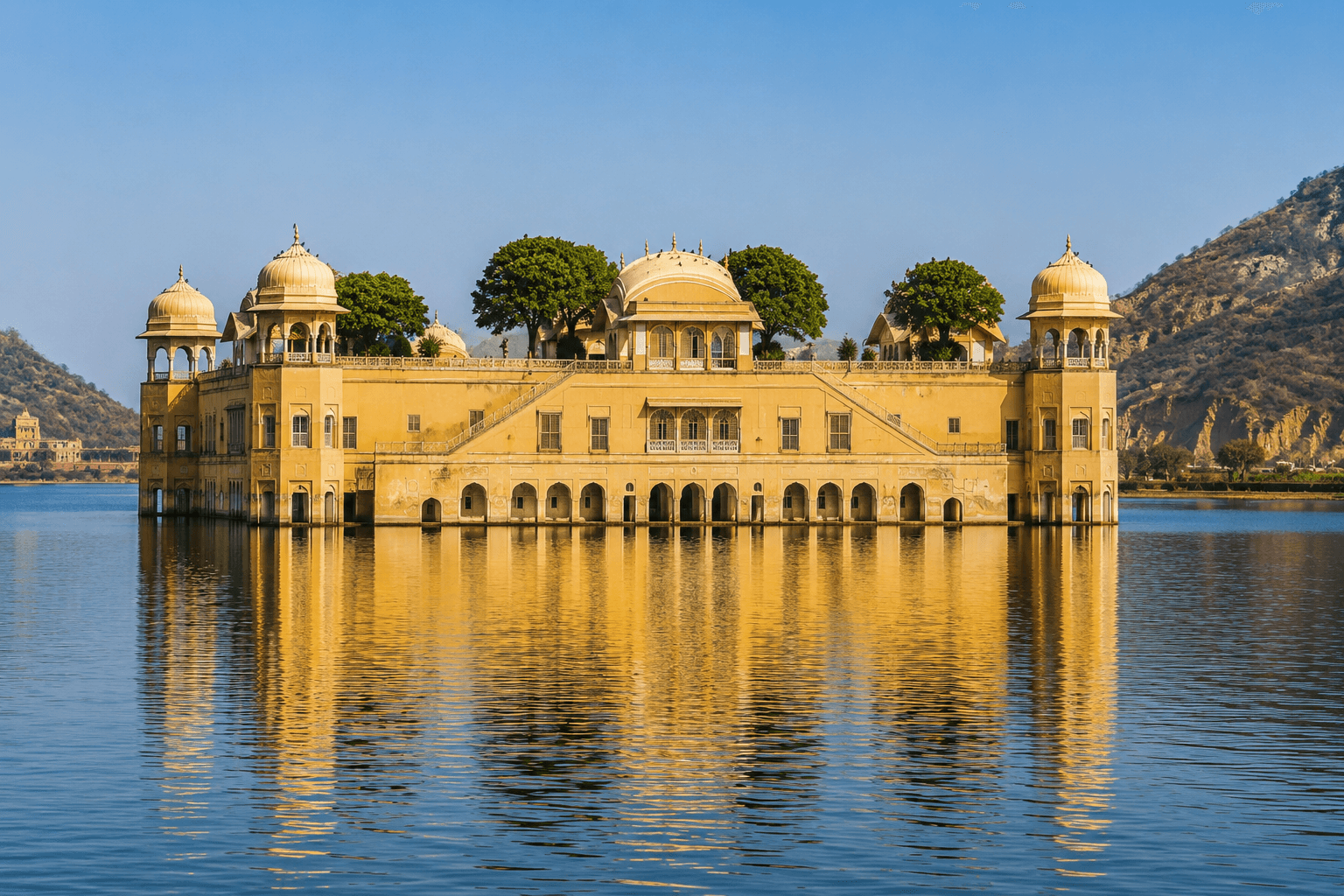
Set in the middle of Man Sagar Lake, Jal Mahal is one of Jaipur's most photographed landmarks. The palace appears to float above the water, creating a striking contrast between its architecture and the surrounding landscape.
Visitors generally appreciate Jal Mahal from viewpoints along the lakeside rather than exploring the palace interiors. The surrounding area can be particularly attractive around sunrise and sunset when the changing light creates reflections across the lake.
It is an easy attraction to include while travelling between Jaipur and Amber Fort, making it a useful stop for a day of sightseeing.
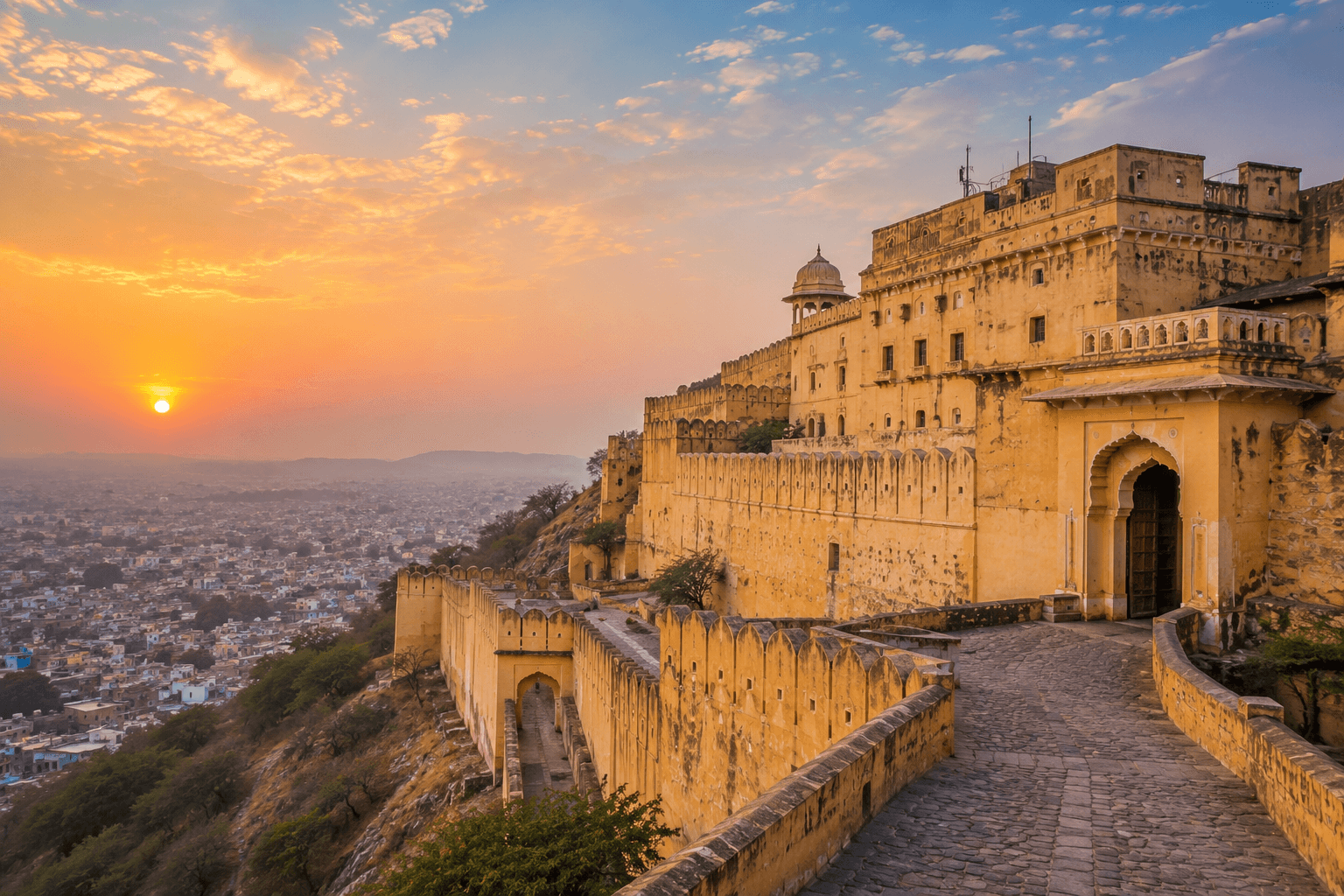
Located in the Aravalli Hills, Nahargarh Fort provides panoramic views over Jaipur. Its elevated location makes it especially appealing towards the later part of the day when visitors can watch the city change as the sun begins to set.
The fort's architecture and interconnected rooms offer another glimpse into Jaipur's royal past, while its location provides a completely different perspective from the attractions in the old city.
If photography is an important part of your trip, Nahargarh is worth considering. The combination of historic architecture and views across the city creates some of the most memorable visual experiences in Jaipur.
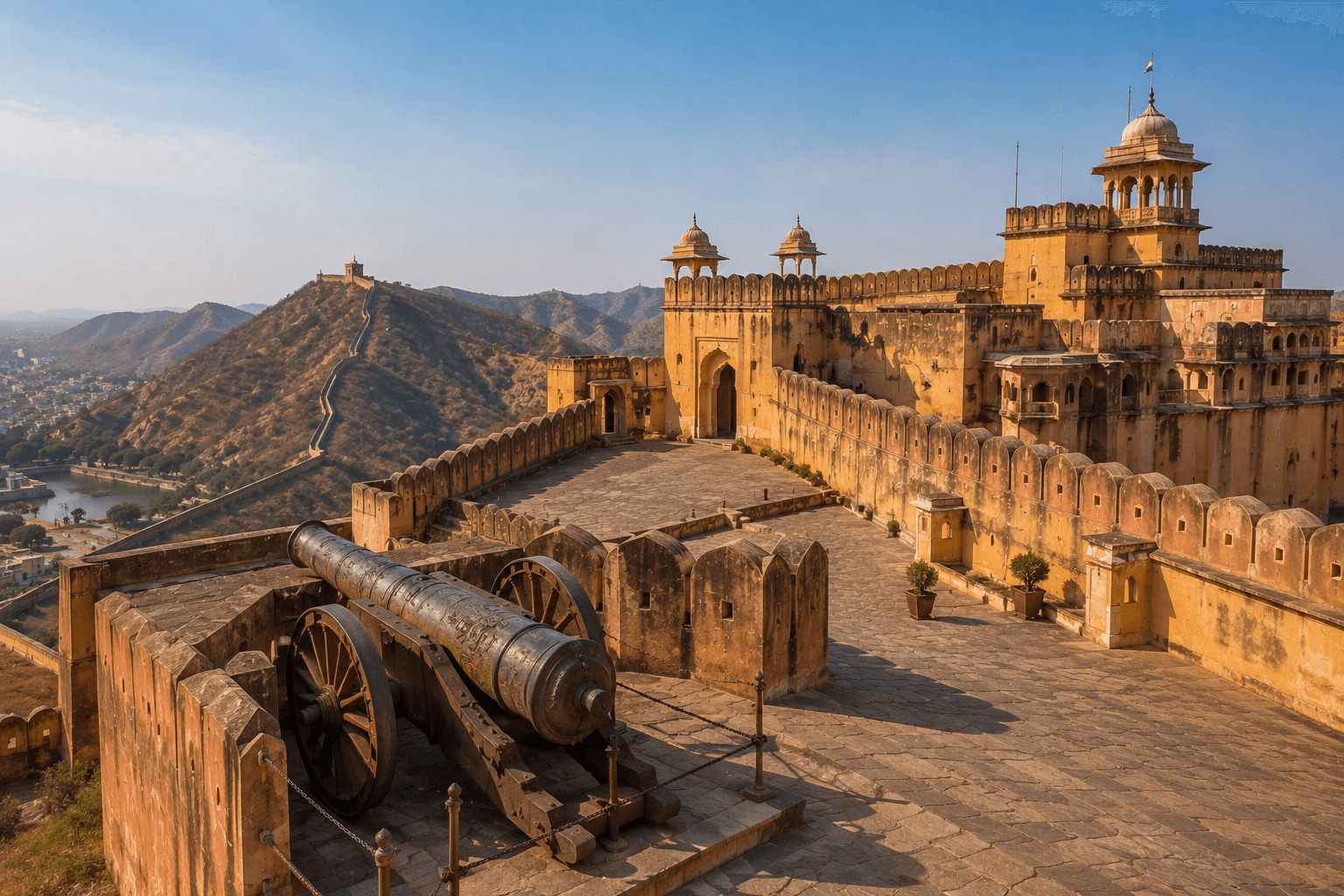
Jaigarh Fort is another important attraction for travellers interested in Jaipur's military history. Built on the Aravalli hills, the fort was designed as a strong defensive structure and is known for its massive walls and strategic location.
The fort is also associated with the Jaivana cannon, traditionally described as one of the world's largest wheeled cannons. Beyond this attraction, the fort's architecture and hilltop setting provide insight into the defensive planning of Jaipur's historic kingdom.
Because Jaigarh is located close to Amber Fort, the two can be combined into the same sightseeing day.
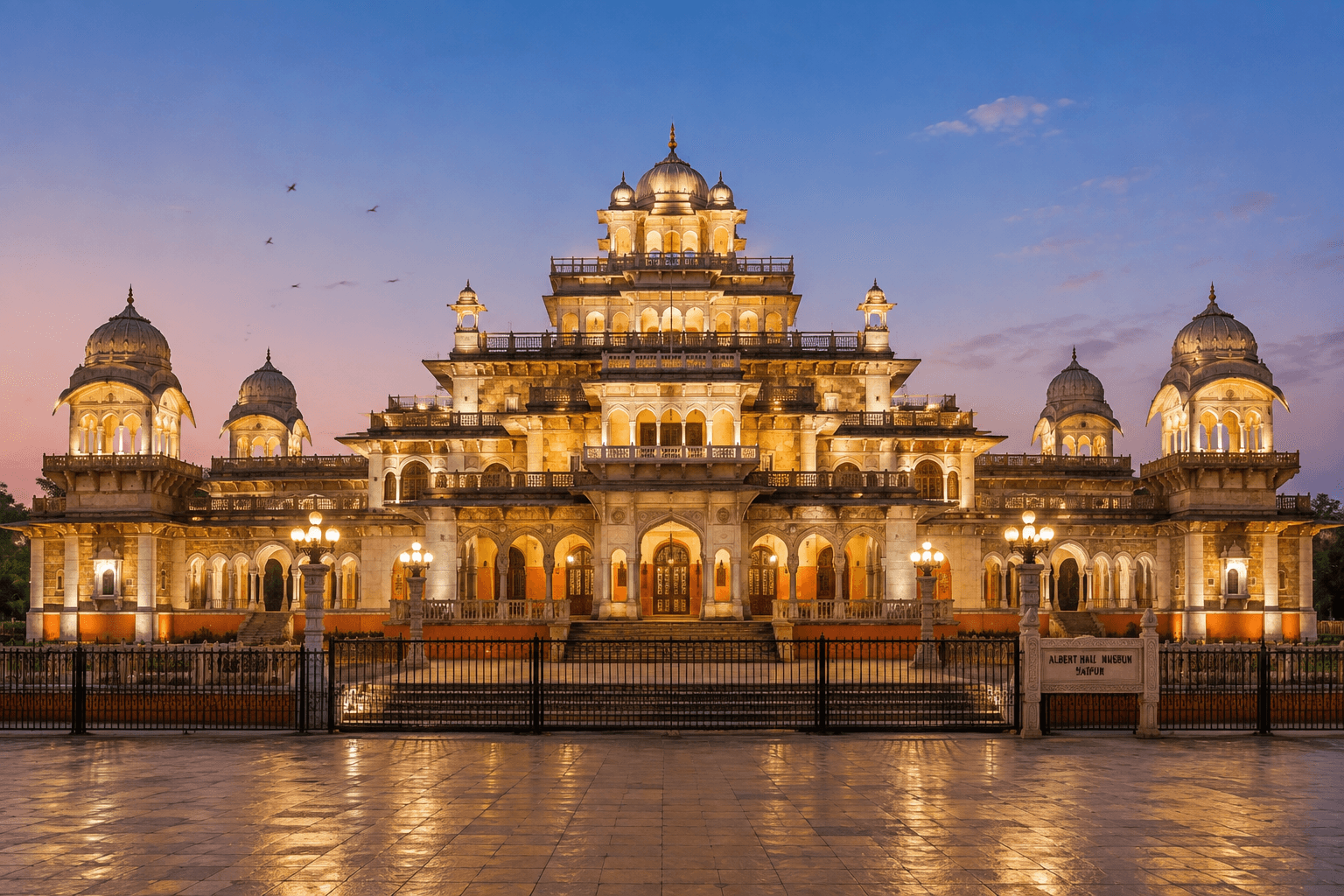
Located in the heart of Jaipur, Albert Hall Museum is one of the city's most prominent museums. Its Indo-Saracenic architecture is impressive even before you enter the building.
Inside, visitors can explore collections covering art, textiles, decorative objects, sculptures and other historical artefacts. The museum provides a different way of understanding Rajasthan's cultural heritage beyond its forts and palaces.
The building is particularly striking after dark when its illuminated façade creates a dramatic view. If your itinerary includes the surrounding central Jaipur area, Albert Hall can be an easy addition.
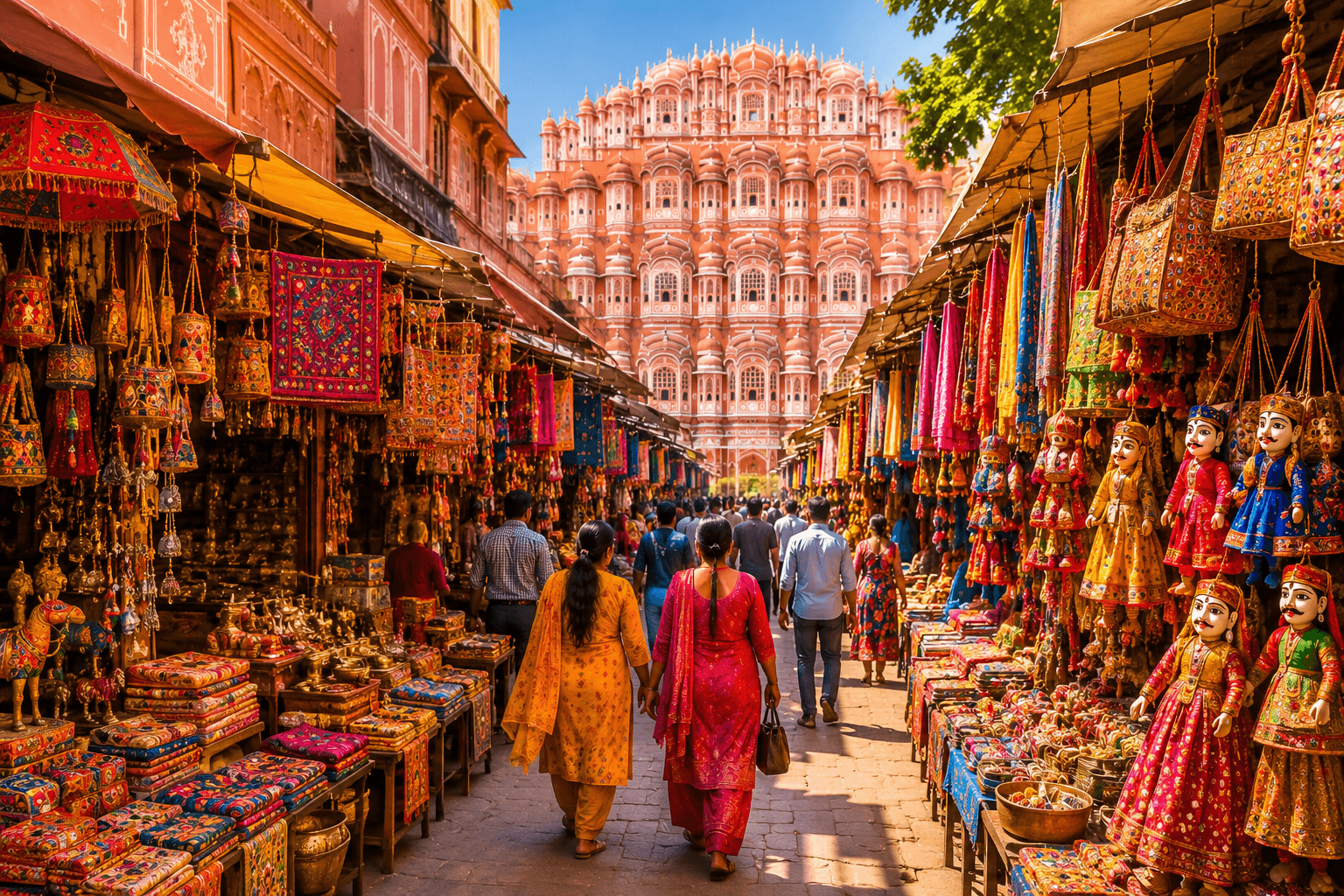
A visit to Jaipur would not feel complete without spending some time in its traditional markets. Areas such as Johari Bazaar, Bapu Bazaar and Tripolia Bazaar are known for jewellery, textiles, handicrafts, traditional clothing and other locally made products.
Johari Bazaar is particularly associated with jewellery and gemstones, while Bapu Bazaar is popular for textiles, handicrafts and traditional Rajasthani products. The colourful streets also provide excellent opportunities for photography.
Shopping in Jaipur is as much about the experience as the products themselves. Take your time to explore different shops, compare products and prices, and look for crafts that reflect Rajasthan's artistic traditions.
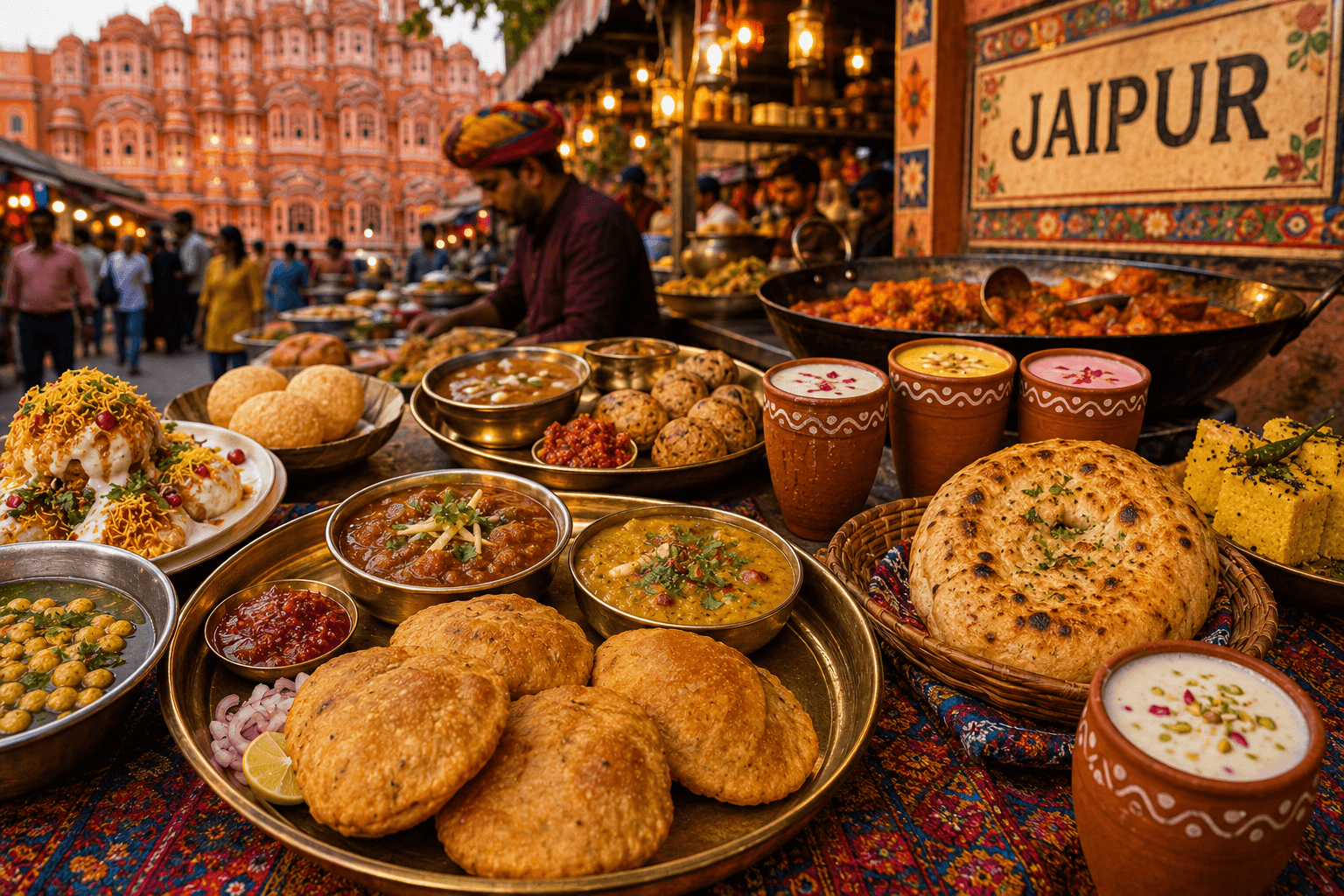
Food is another important part of discovering Jaipur. Rajasthani cuisine is known for its bold flavours, traditional cooking methods and dishes that have developed around the region's climate and culinary traditions.
Travellers can try dishes such as dal baati churma, gatte ki sabzi, ker sangri and a variety of local sweets. Jaipur also has restaurants serving modern interpretations of traditional Rajasthani cuisine alongside North Indian and international options.
For a more complete experience, combine a traditional meal with local snacks and sweets while exploring the city's markets. Food can become one of the easiest ways to connect with the culture of Rajasthan.
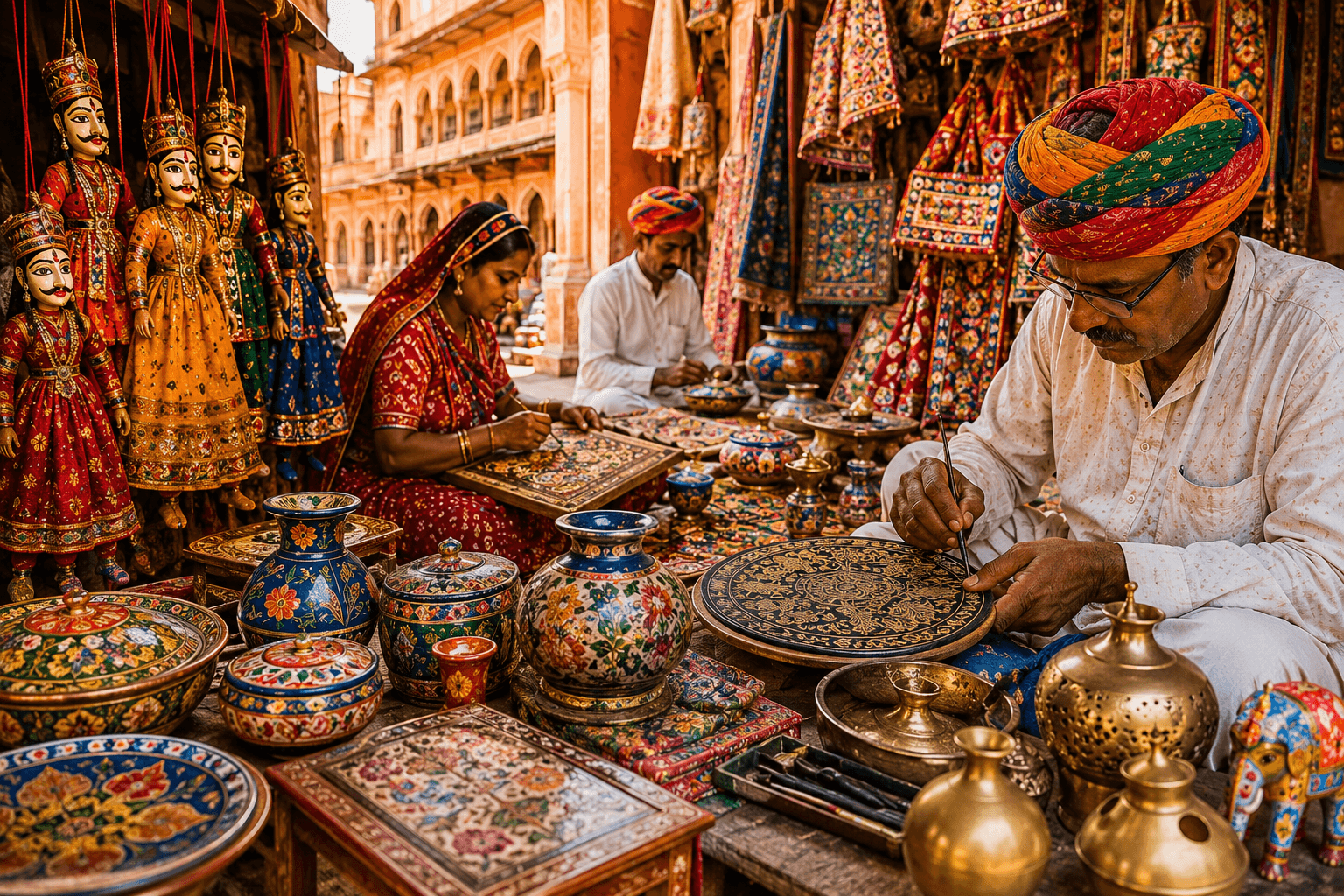
Jaipur is well known for traditional crafts, making it an interesting destination for travellers who enjoy shopping and handmade products.
You can find block-printed textiles, blue pottery, jewellery, leather products and other crafts across the city's markets. Each craft reflects different aspects of Rajasthan's artistic heritage.
Instead of simply looking for souvenirs, take time to understand the craftsmanship behind the products. This makes shopping more meaningful and can help you choose items that genuinely represent your experience of Jaipur.
Choosing the right accommodation can make your Jaipur sightseeing experience much easier, particularly if you plan to visit several attractions across different parts of the city.
Travellers searching for hotels in Jaipur should consider factors such as location, accessibility, facilities and proximity to the areas they plan to explore. A convenient hotel can reduce travel time and leave you with more time to experience Jaipur itself.
For travellers considering Sarovar Hotels, the brand offers accommodation options in Jaipur that can be considered while planning a city sightseeing itinerary. Choosing your stay according to your planned route can make it easier to explore the old city, forts, markets and other attractions without spending too much time commuting.
The best things to do in Jaipur are not limited to visiting monuments. Spend some time walking through the old city's streets, exploring traditional markets and discovering local crafts.
You can also experience a traditional Rajasthani meal, visit cultural spaces and explore the city after sunset. Jaipur's atmosphere changes throughout the day, so leaving some unscheduled time can allow you to experience the destination more naturally.
For travellers staying longer, consider exploring nearby attractions and villages to experience Rajasthan beyond the central tourist circuit.
The cooler months from October to March are generally popular for visiting Jaipur because they offer more comfortable conditions for outdoor sightseeing.
Winter mornings and evenings can be cool, while daytime temperatures are usually more suitable for exploring forts, palaces and markets. This period can also be busier, so advance accommodation planning is useful.
If you visit during warmer months, consider beginning outdoor sightseeing early in the morning and taking breaks during the hottest part of the day.
If you have only one day, focus on the attractions that give you a broad introduction to Jaipur.
Start with Amber Fort in the morning and stop at Jal Mahal on the way back towards the city. Continue with City Palace and Jantar Mantar, which are located close to each other in the old city.
Later, explore Hawa Mahal and spend some time in the surrounding markets. If time allows, end the day at Nahargarh Fort for panoramic views of Jaipur.
Trying to visit every major attraction in one day can make the itinerary exhausting. It is better to experience a few key places properly and save the remaining attractions for another visit.
Begin your first day with Amber Fort and spend enough time exploring its courtyards, palaces and hilltop setting. On the way back, stop at Jal Mahal for photographs and a short break.
Continue towards the old city and visit City Palace and Jantar Mantar. Later, explore Hawa Mahal and the surrounding markets before enjoying a traditional Rajasthani meal.
Start your second day with Albert Hall Museum and continue exploring Jaipur's central areas. You can spend some time shopping for jewellery, textiles and handicrafts in the city's traditional markets.
Later, visit Jaigarh or Nahargarh Fort depending on your interests. If you choose Nahargarh, consider timing your visit around sunset for panoramic views across the Pink City.
Jaipur is a city where comfortable footwear is particularly useful because many attractions involve walking across courtyards, pathways and historic complexes.
Plan your route according to location rather than visiting attractions randomly across the city. Amber, Jaigarh and Nahargarh can be grouped together, while City Palace, Jantar Mantar and Hawa Mahal are easier to combine with old-city sightseeing.
Keep some flexibility in your schedule for markets and food. Some of Jaipur's most memorable experiences happen outside the formal tourist attractions.
When shopping, compare prices and check the quality of products before purchasing. For jewellery, gemstones and expensive handicrafts, choose established sellers and ask for appropriate documentation where relevant.
Jaipur International Airport connects the city with several major Indian destinations and selected international routes. The airport is located relatively close to the main city areas, making road transfers convenient for most travellers.
Jaipur is an important railway hub with connections to major cities across India. Train travel can be a convenient option for travellers arriving from Delhi, Mumbai, Ahmedabad and other major cities.
Jaipur is well connected by road with Delhi, Agra and other cities in Rajasthan. Its location also makes it a popular part of Golden Triangle itineraries.
Travelling by road gives you flexibility if you want to combine Jaipur with nearby destinations, although travel time should be considered when planning a short trip.
Jaipur's appeal comes from the way its history, architecture and everyday life exist together. The grand scale of Amber Fort and City Palace contrasts with the colourful markets and busy streets of the old city.
The Pink City Jaipur experience is also about the details: the patterns on traditional textiles, the colours of the bazaars, the craftsmanship of jewellery and pottery, and the flavours of Rajasthani cuisine.
This combination gives Jaipur an identity that is difficult to experience in a single day. Even after visiting the famous landmarks, there is still another street, market, viewpoint or local experience waiting to be discovered.
The best places to visit in Jaipur are not limited to its famous forts and palaces. Amber Fort, Hawa Mahal, City Palace, Jantar Mantar, Nahargarh Fort and Jal Mahal provide the foundation of a Jaipur sightseeing itinerary, while the city's markets, food and crafts reveal its more everyday character.
Whether you are planning a one-day visit or a longer Rajasthan holiday, leave some room in your itinerary to explore without a strict schedule. Walk through the old city, browse the markets, try local food and take in the views from the surrounding hills.
For travellers planning their stay, Sarovar Hotels offers accommodation options in Jaipur that can be considered when organising a city sightseeing itinerary.
If Jaipur inspires you to discover more of Rajasthan and beyond, explore more travel destinations for additional travel guides, destination ideas and holiday inspiration.
Planning a Jaipur getaway? A comfortable and conveniently located hotel can make it easier to explore the city's forts, palaces, markets and cultural attractions while giving you a relaxing place to return to after a day of sightseeing.
Sarovar Hotels offers accommodation options for travellers visiting Jaipur, making it worth considering when planning your stay around your preferred sightseeing route.
For reservations and stay-related assistance:
📞 Call: +91 98 8680 0049
📧 Email: Bookings@sarovarhotels.com
Plan your Jaipur trip with Sarovar Hotels and experience the history, colour, architecture and culture that make the Pink City unforgettable.