
Loading…
Loading…
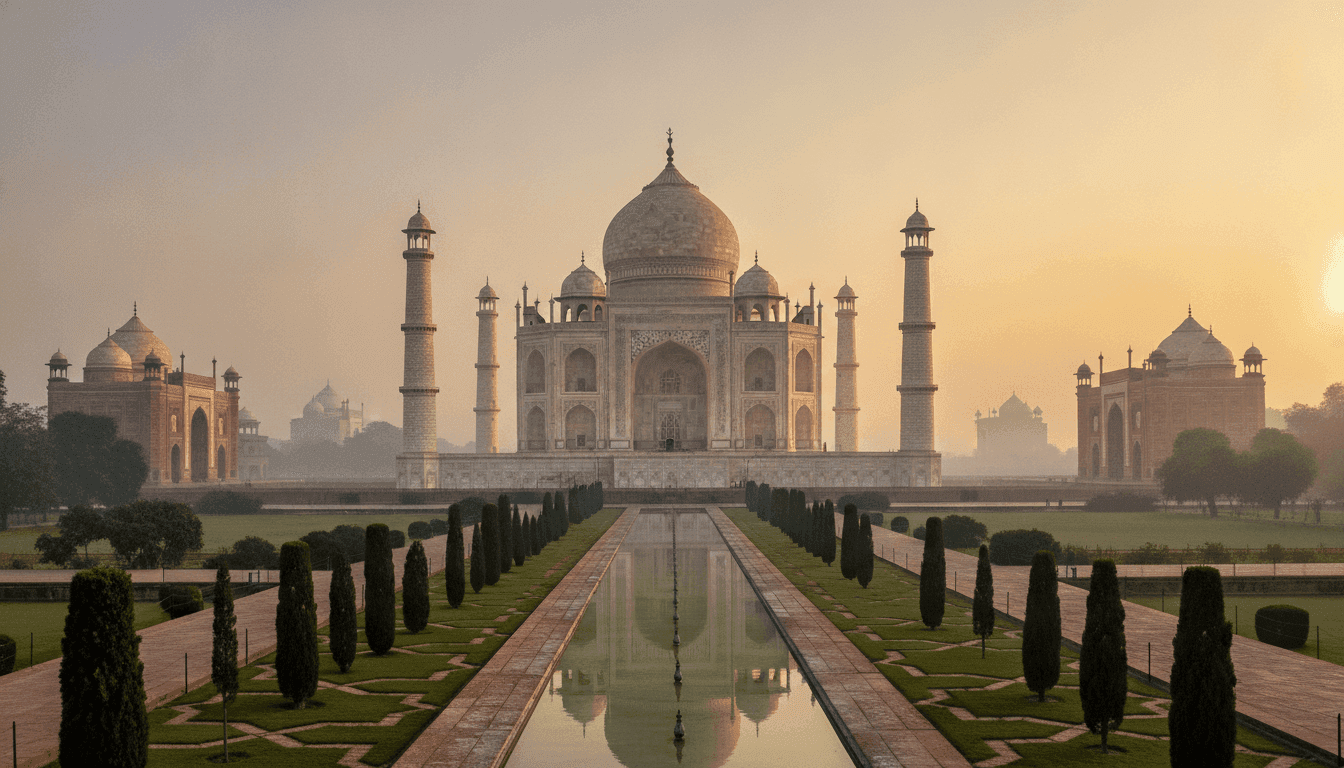
Discover the best places to visit in Agra, from the Taj Mahal and Agra Fort to Mehtab Bagh, Itimad-ud-Daulah and Fatehpur Sikri, with practical tips for planning your Agra trip.
Agra is one of India's most iconic heritage destinations, best known around the world for the Taj Mahal. But there is much more to discover beyond this famous monument. From magnificent Mughal architecture and historic forts to gardens, tombs, local markets and traditional food, Agra offers plenty of experiences for travellers.
Whether you are planning a dedicated Agra trip or visiting the city as part of the Golden Triangle, having a well-planned itinerary can help you experience its major attractions without feeling rushed.
For travellers searching for hotels in Agra, choosing a convenient location can also make sightseeing easier, particularly if you want to visit the Taj Mahal early in the morning and explore other attractions during the day.
Agra has played an important role in India's history and is closely associated with the Mughal era. The city's architectural landmarks showcase intricate craftsmanship, grand courtyards, imposing gateways and detailed stonework.
The Taj Mahal remains the city's biggest attraction, but Agra Fort, Itimad-ud-Daulah's Tomb and Mehtab Bagh provide different perspectives on the city's heritage. Nearby Fatehpur Sikri can also be included if you have additional time.
For first-time visitors, Agra offers the opportunity to combine iconic sightseeing with history, architecture, food and local shopping in a relatively short trip.
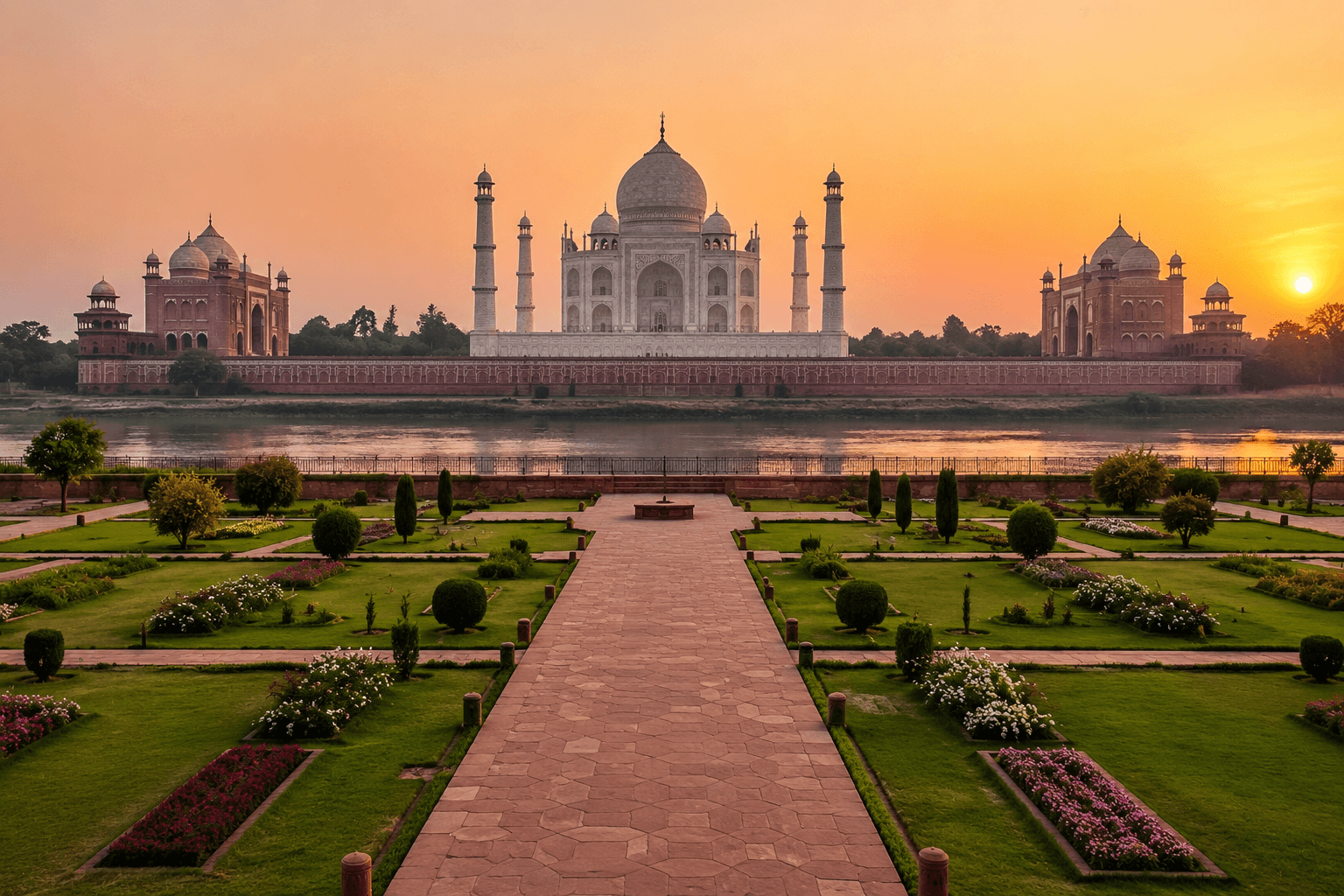
No Agra travel guide would be complete without the Taj Mahal. Built by Mughal emperor Shah Jahan in memory of Mumtaz Mahal, the monument is renowned for its white marble architecture, symmetrical gardens and intricate decorative work.
The Taj Mahal is particularly popular around sunrise, when the changing light creates different shades across the marble. Visiting early can also allow you to experience the monument before the busiest part of the day.
Take time to explore the surrounding complex rather than focusing only on the main mausoleum. The gateways, gardens, mosque and detailed marble work all contribute to the overall experience.
Early morning is generally a popular choice for visitors because of the softer light and cooler conditions. The monument is closed to visitors on Fridays, so keep this in mind when planning your itinerary.
Before visiting, check the latest official timings, ticketing information and entry rules, as these can change.
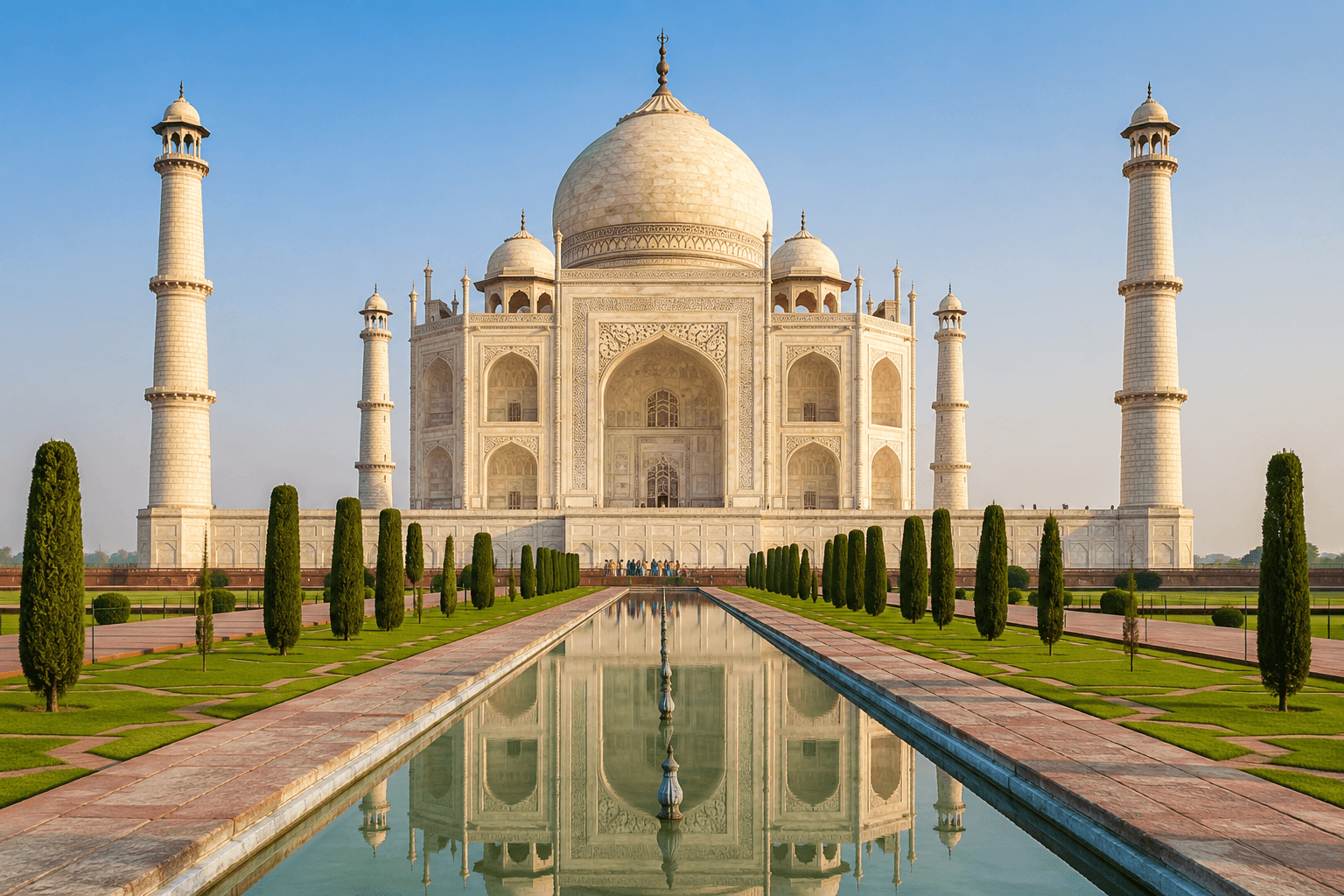
Agra Fort is another essential attraction and one of the most important tourist places in Agra. This massive red sandstone fort complex reflects the power and architectural ambitions of the Mughal period.
Inside the fort, visitors can explore palaces, courtyards, audience halls and other structures representing different periods of Mughal history. The architecture combines defensive features with elaborate royal spaces.
A visit to Agra Fort can also provide views towards the Taj Mahal from certain parts of the complex, creating an interesting connection between two of Agra's most famous landmarks.
Allow at least a couple of hours to explore the fort properly. Rather than simply walking through the complex, take time to understand the history and purpose of its different structures.
If you enjoy architecture and history, consider hiring a knowledgeable local guide or using a reliable audio or official guide service to understand the significance of the buildings you encounter.
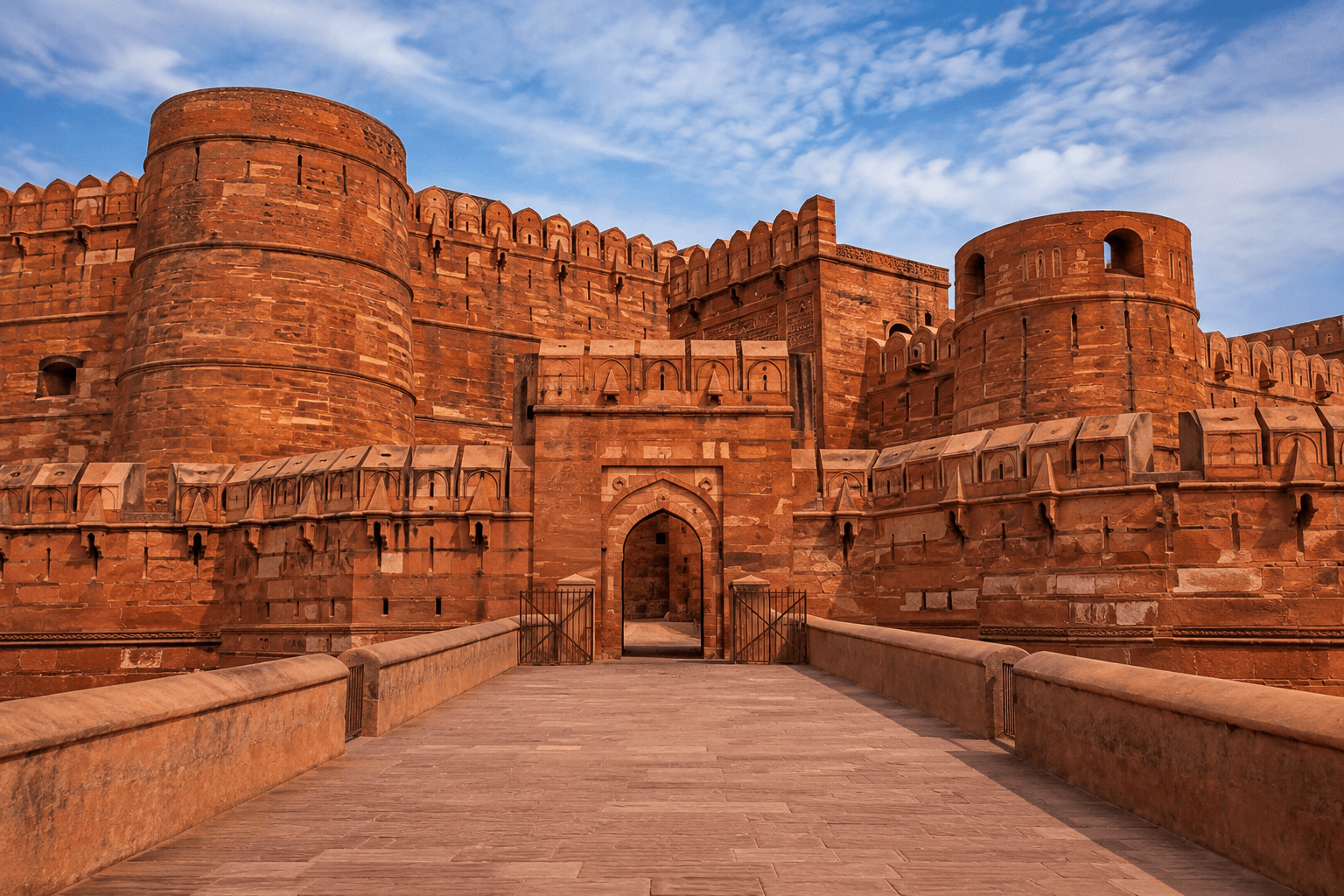
Located across the Yamuna River from the Taj Mahal, Mehtab Bagh offers a different perspective of the famous monument. The garden is particularly known for its views towards the Taj Mahal and can be a peaceful addition to a sightseeing itinerary.
The garden is especially attractive around late afternoon and sunset, when the changing light creates a different visual character around the Taj Mahal.
If you have already visited the Taj Mahal from the main complex, Mehtab Bagh gives you the opportunity to see it from another angle and enjoy some quieter surroundings.
Often referred to as the "Baby Taj," Itimad-ud-Daulah's Tomb is an important monument to include in your list of places to visit in Agra.
The tomb is known for its delicate marble work, intricate inlay designs and detailed decoration. According to Incredible India, many believe the interior decoration of the tomb influenced elements later seen in the Taj Mahal.
The monument is also located near the Yamuna River, making it convenient to combine with other attractions during a sightseeing day.
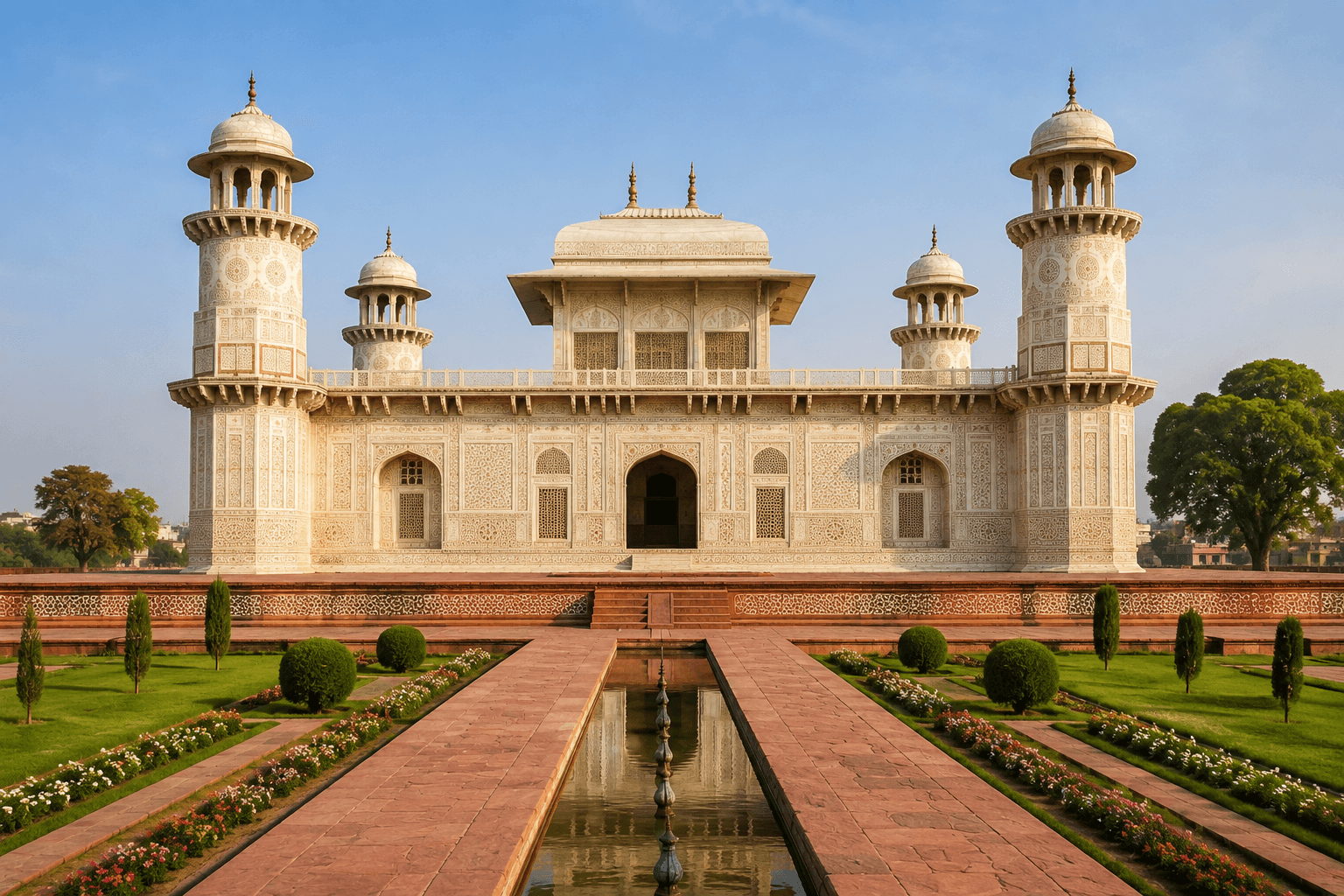
Akbar's Tomb at Sikandra is another important Mughal-era monument located on the outskirts of Agra. The complex combines monumental gateways, gardens and architectural details associated with the Mughal period.
The large entrance gateway and landscaped surroundings make the site particularly interesting for travellers who want to explore Agra beyond its two most famous landmarks.
Because Sikandra is away from the central Taj Mahal area, it is better to group it with other nearby attractions when planning your route.
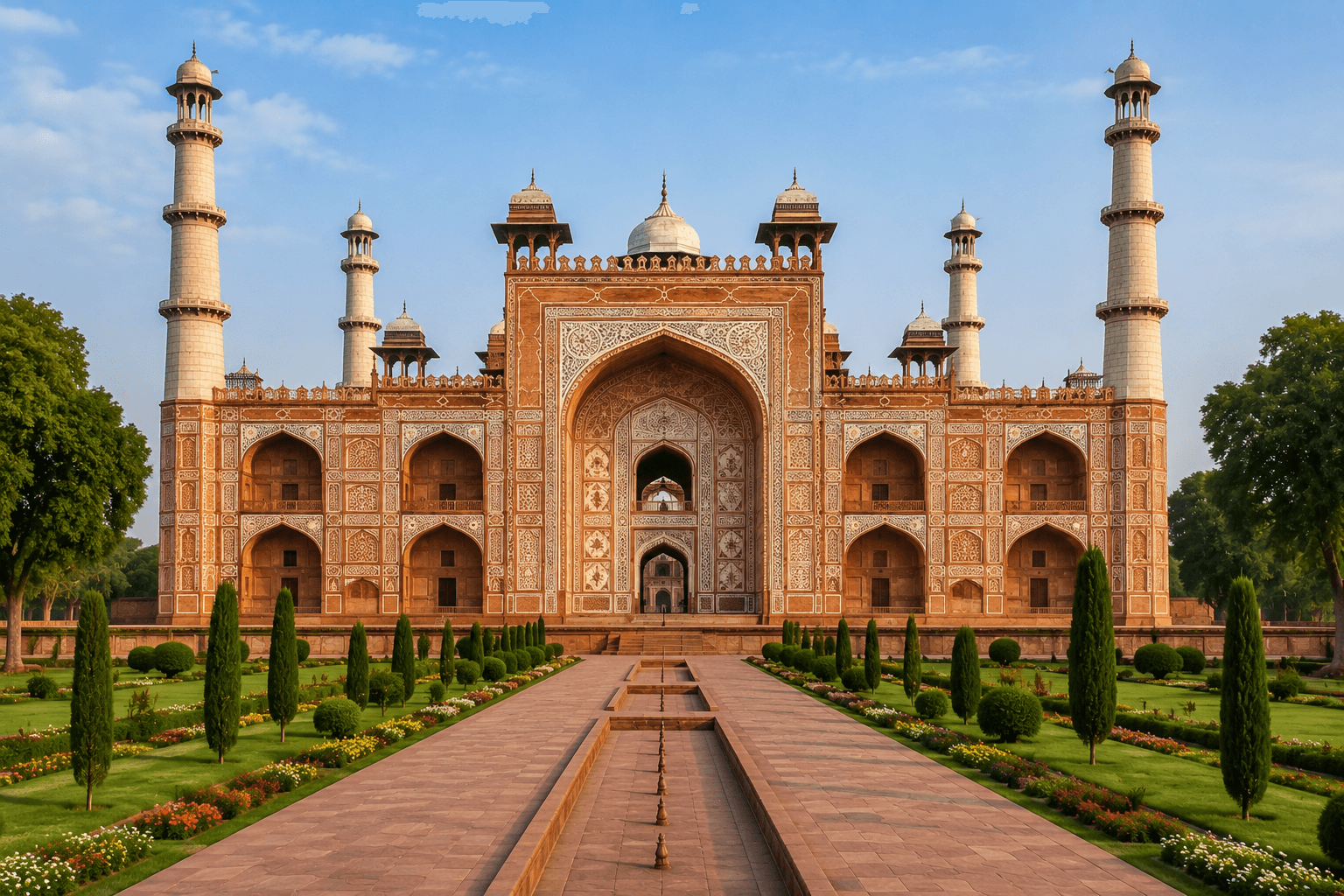
If you have additional time, consider adding Fatehpur Sikri to your Agra tour guide. Located outside Agra, the historic city was established by Emperor Akbar and served as the Mughal capital for a period.
The complex includes grand courtyards, palaces, religious structures and monumental gateways. Buland Darwaza is among its best-known architectural features.
Fatehpur Sikri is particularly worthwhile for travellers interested in Mughal history and architecture. Because it requires additional travel outside Agra city, allocate several hours rather than trying to fit it into a very tight itinerary.
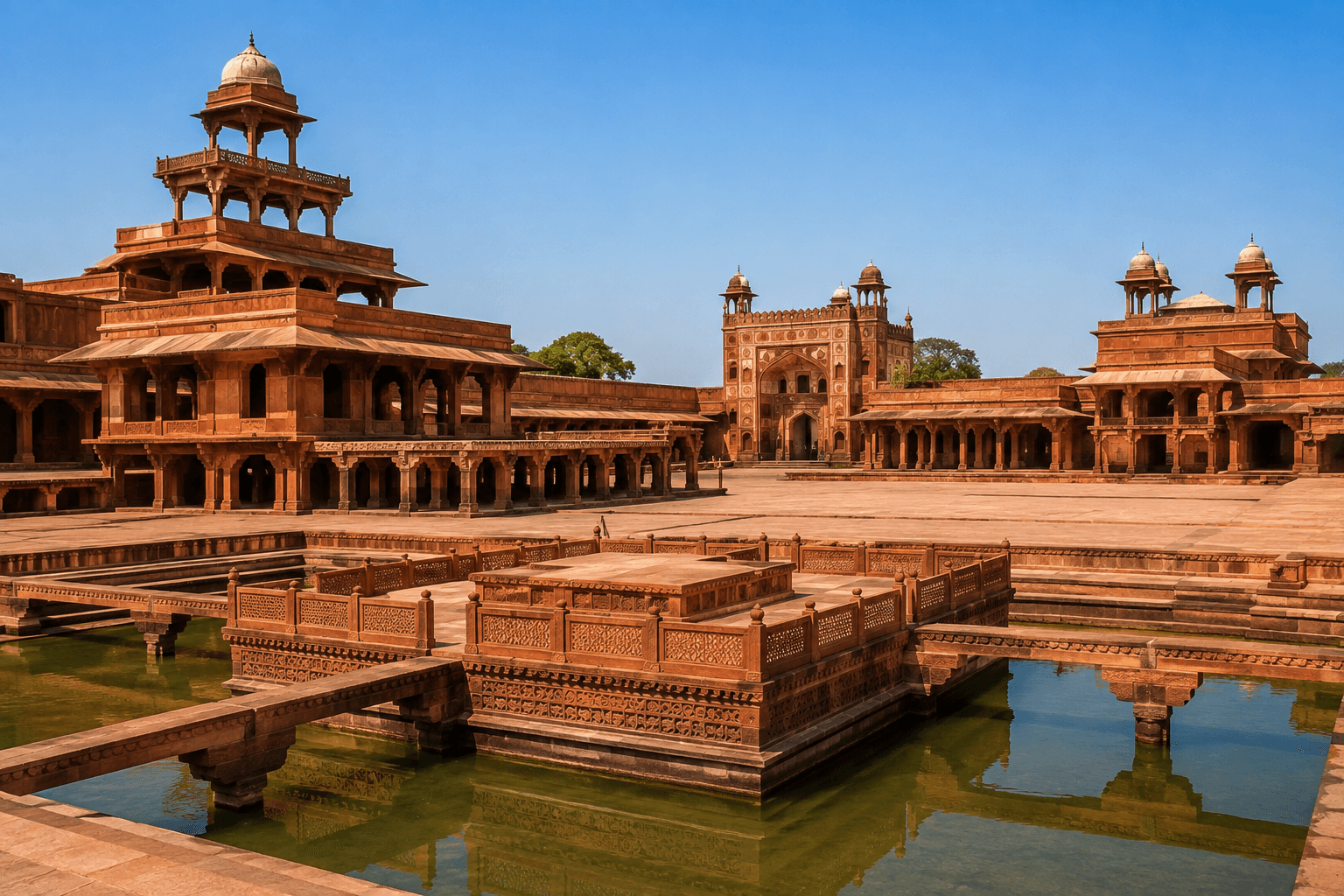
Agra's Jama Masjid is another historic landmark that can be included in a city sightseeing itinerary. Located near Agra Fort, the mosque is associated with the Mughal period and is known for its impressive red sandstone and marble architecture.
Its location makes it relatively convenient to combine with Agra Fort and the surrounding heritage areas.
As it is an active religious site, visitors should dress respectfully and follow the local rules regarding access and photography.
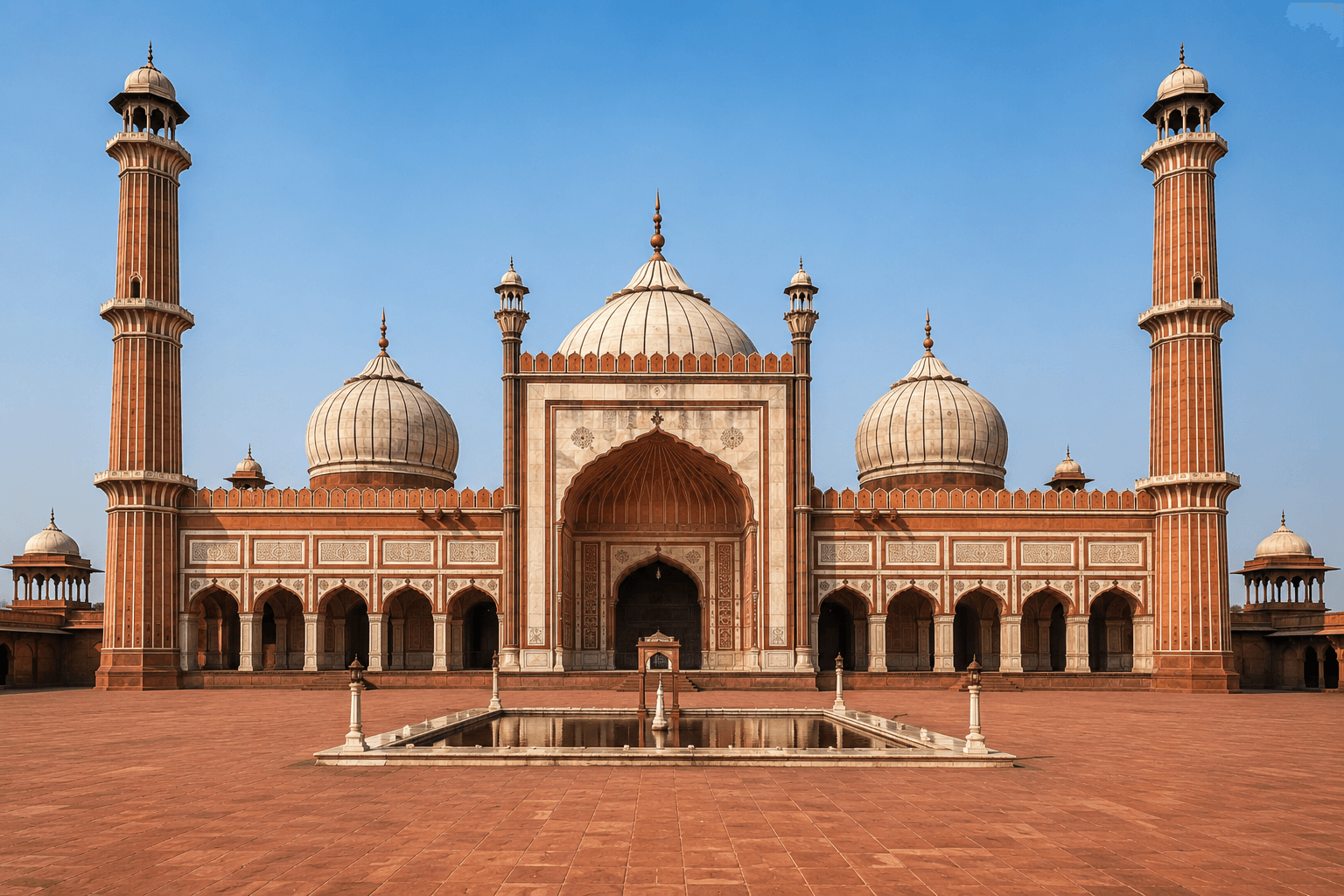
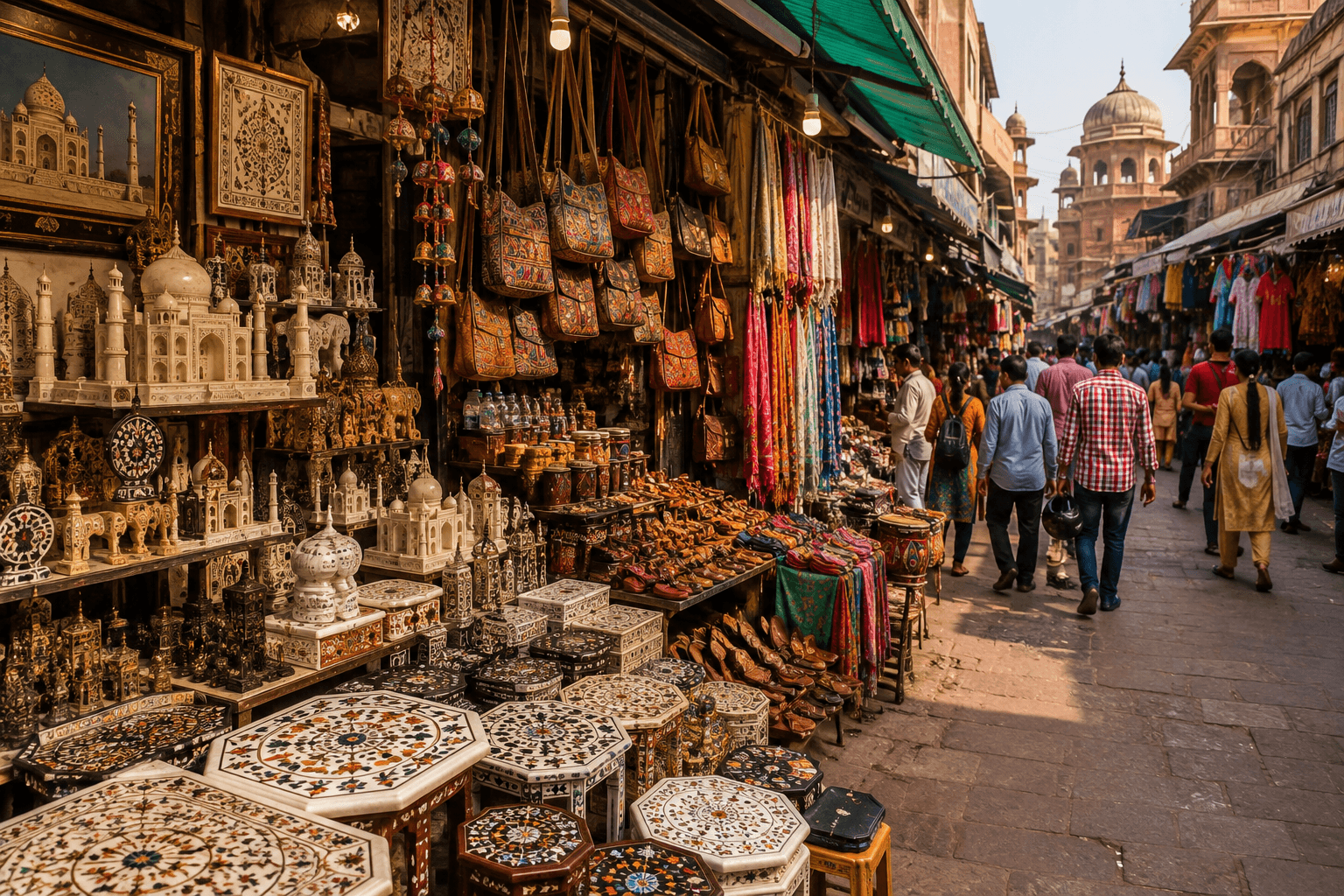
A trip to Agra is not only about monuments. The city's markets provide opportunities to explore local crafts, souvenirs and traditional products.
Visitors can look for marble inlay work, handicrafts, textiles, leather products and other locally available items. Marble inlay craftsmanship is particularly associated with Agra's heritage and is inspired by the decorative techniques seen in Mughal architecture.
Take your time when shopping, compare products and ask about the craftsmanship behind handmade items. Exploring the markets can add a local dimension to your Agra tourism experience.
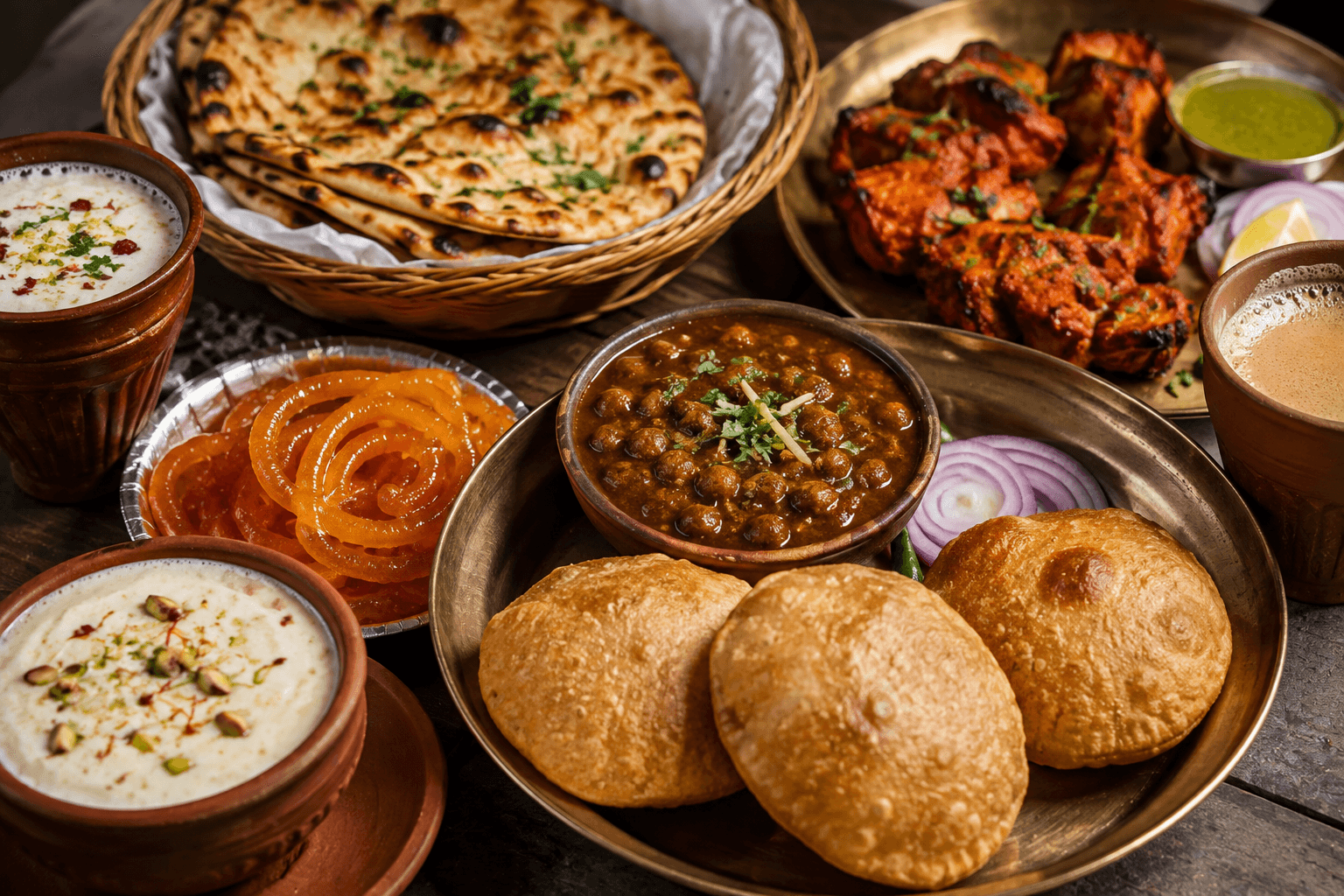
Food is another important part of an Agra trip. The city is known for Mughlai cuisine and traditional North Indian flavours.
Travellers can try dishes such as petha, a sweet that is strongly associated with Agra, along with Mughlai preparations and other regional specialities.
For the best experience, explore a combination of established restaurants and local food areas while keeping food hygiene and personal dietary requirements in mind.
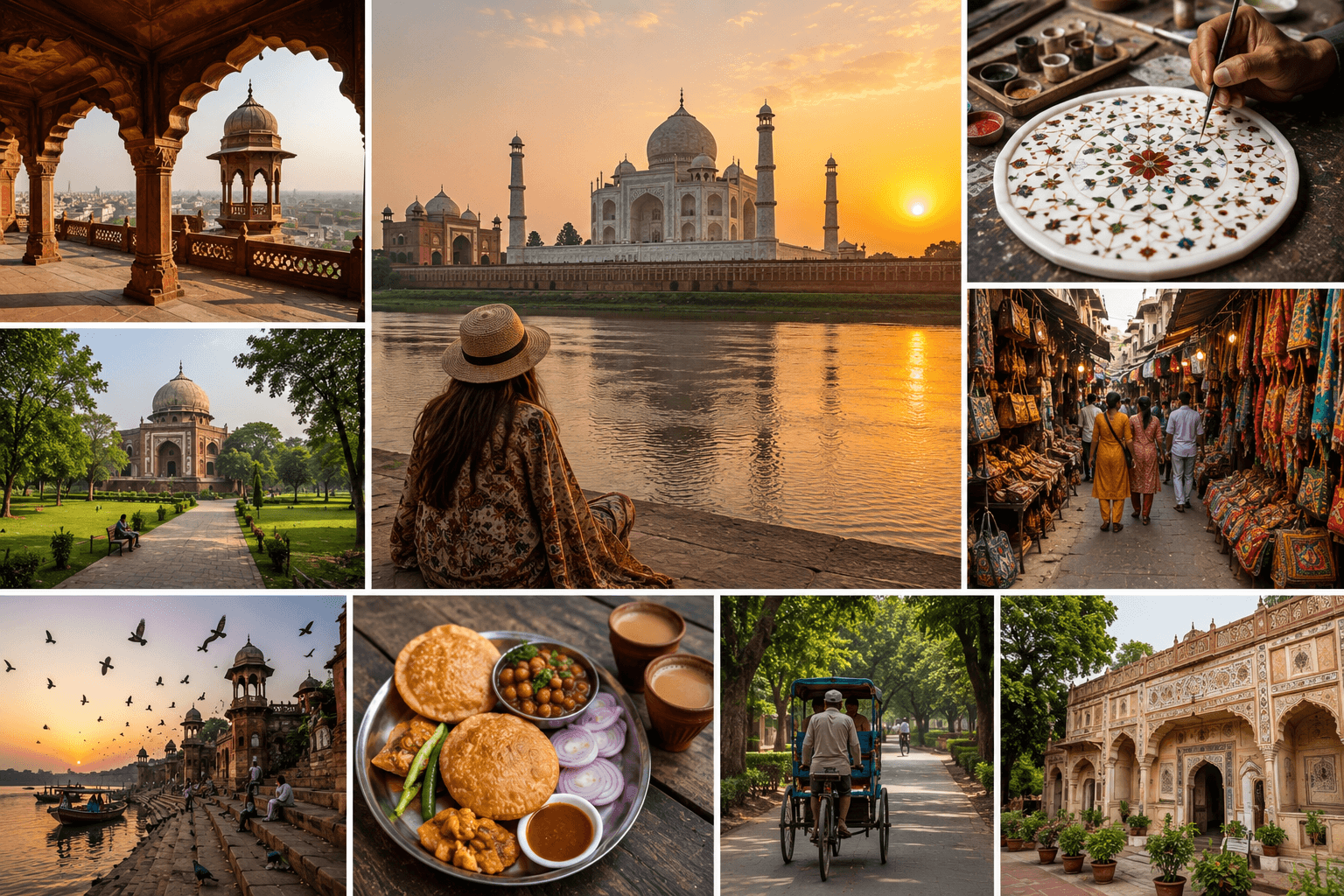
One of the best ways to experience Agra is to look beyond the most photographed monuments. The city has heritage neighbourhoods, local crafts, traditional food and lesser-known historical sites that can add depth to your itinerary.
Incredible India also encourages travellers to explore lesser-known attractions in Agra alongside landmarks such as the Taj Mahal and Agra Fort.
If you have more than one day, use the additional time to explore these experiences instead of trying to visit every major monument in a single day.
If you have only one day in Agra, prioritise the city's most important attractions.
Start early with the Taj Mahal. After spending enough time exploring the monument and its surroundings, continue to Agra Fort, which provides a deeper understanding of the city's Mughal history.
After lunch, you can choose between Itimad-ud-Daulah's Tomb, Mehtab Bagh or a local market, depending on your interests and remaining time.
Trying to include Fatehpur Sikri in the same one-day itinerary can make the schedule quite rushed. If Fatehpur Sikri is a priority, consider starting very early and planning the route carefully.
Agra can be visited throughout the year, but the cooler months are generally more comfortable for sightseeing. The period from October to March is popular among travellers because outdoor exploration is easier than during the peak summer heat.
Winter mornings can be cool, so carrying a light layer is useful. Summers can be considerably hotter, making early morning and late afternoon sightseeing more comfortable.
Regardless of the season, check monument timings and local conditions before beginning your sightseeing.
A one-day Agra itinerary can cover the Taj Mahal, Agra Fort and one or two additional attractions.
With two days, you can explore the city's major monuments at a more relaxed pace and include attractions such as Mehtab Bagh, Itimad-ud-Daulah, Sikandra and local markets.
If you want to add Fatehpur Sikri and explore Agra's food and craft culture more deeply, consider allowing two to three days.
Choosing the right accommodation can make your sightseeing schedule easier, especially if you want to visit the Taj Mahal early in the morning.
Travellers searching for hotels in Agra can consider properties based on their location, accessibility, facilities and planned itinerary. Staying in a convenient part of the city can help reduce unnecessary travel time between the major attractions.
For travellers considering Sarovar Hotels, the official Agra destination page currently lists Golden Tulip, Agra and Royale Sarovar Portico, Agra.
Both properties give travellers accommodation options while exploring Agra's heritage attractions, local markets and surrounding destinations.
Agra has an airport, while travellers may also consider nearby major airports depending on their origin and flight availability. If you are travelling as part of a Golden Triangle itinerary, Delhi is another common arrival point.
Agra is well connected by rail with major Indian cities. Travellers can choose from multiple railway stations depending on their train and accommodation location.
If you are travelling by train, check which station your service uses before booking transfers to your hotel.
Agra is well connected by road to Delhi, Jaipur and other major cities. Its location makes it a popular stop on Golden Triangle itineraries.
Start your sightseeing early, particularly when visiting the Taj Mahal. This can help you avoid the hottest part of the day and potentially experience the monument during quieter hours.
Wear comfortable footwear because exploring Agra's monuments involves considerable walking. Carry water, sun protection and a small bag for essential items.
When visiting religious or historic sites, follow the applicable entry rules and dress respectfully. For shopping, compare products and prices before purchasing, particularly when buying handcrafted items.
If you are visiting multiple monuments in one day, group attractions by location wherever possible. This will reduce travel time and give you more time to actually explore each place.
Begin your first morning at the Taj Mahal. After exploring the monument and gardens, continue to Agra Fort and spend enough time understanding its architecture and history.
Later in the afternoon, visit Itimad-ud-Daulah's Tomb or Mehtab Bagh. End the day with local food or a visit to one of Agra's markets.
Start the second day with Fatehpur Sikri if it is part of your travel plans. Allow enough time for the journey and sightseeing.
Return to Agra and use the remaining time to explore Sikandra, local markets or attractions you missed on Day 1. This approach gives you a more relaxed experience than trying to cover every attraction at once.
Agra offers a rare combination of world-famous architecture, Mughal history, local culture and traditional food. The Taj Mahal may be the city's biggest attraction, but Agra Fort, Mehtab Bagh, Itimad-ud-Daulah's Tomb and Fatehpur Sikri show that the destination has much more to offer.
Whether you are visiting for one day or planning a longer Agra tour, creating a balanced itinerary can help you experience the city's most important attractions while still leaving time for food, markets and local experiences.
Agra is much more than a destination for seeing the Taj Mahal. Its forts, tombs, gardens, historic neighbourhoods, markets and culinary traditions make it a rewarding destination for history enthusiasts, photographers, families and first-time visitors.
If you have only one day, prioritise the Taj Mahal and Agra Fort before adding one or two nearby attractions. With more time, you can explore Fatehpur Sikri, Itimad-ud-Daulah's Tomb, Mehtab Bagh, Sikandra and Agra's local markets.
For accommodation, Sarovar Hotels currently offers two Agra properties — Golden Tulip, Agra and Royale Sarovar Portico, Agra — giving travellers options when planning their stay in the city.
Planning an Agra getaway? Golden Tulip, Agra and Royale Sarovar Portico, Agra are the two properties currently listed by Sarovar Hotels for the city.
Choose your stay according to your itinerary and enjoy convenient access to Agra's heritage, sightseeing and local experiences.
For reservations and stay-related assistance:
📞 Call: +91 98 8680 0049
📧 Email: reservation@sarovarhotels.com
Plan your Agra trip with Sarovar Hotels and discover the Taj Mahal, Agra Fort and the many historical and cultural experiences beyond them.