
Loading…
Loading…
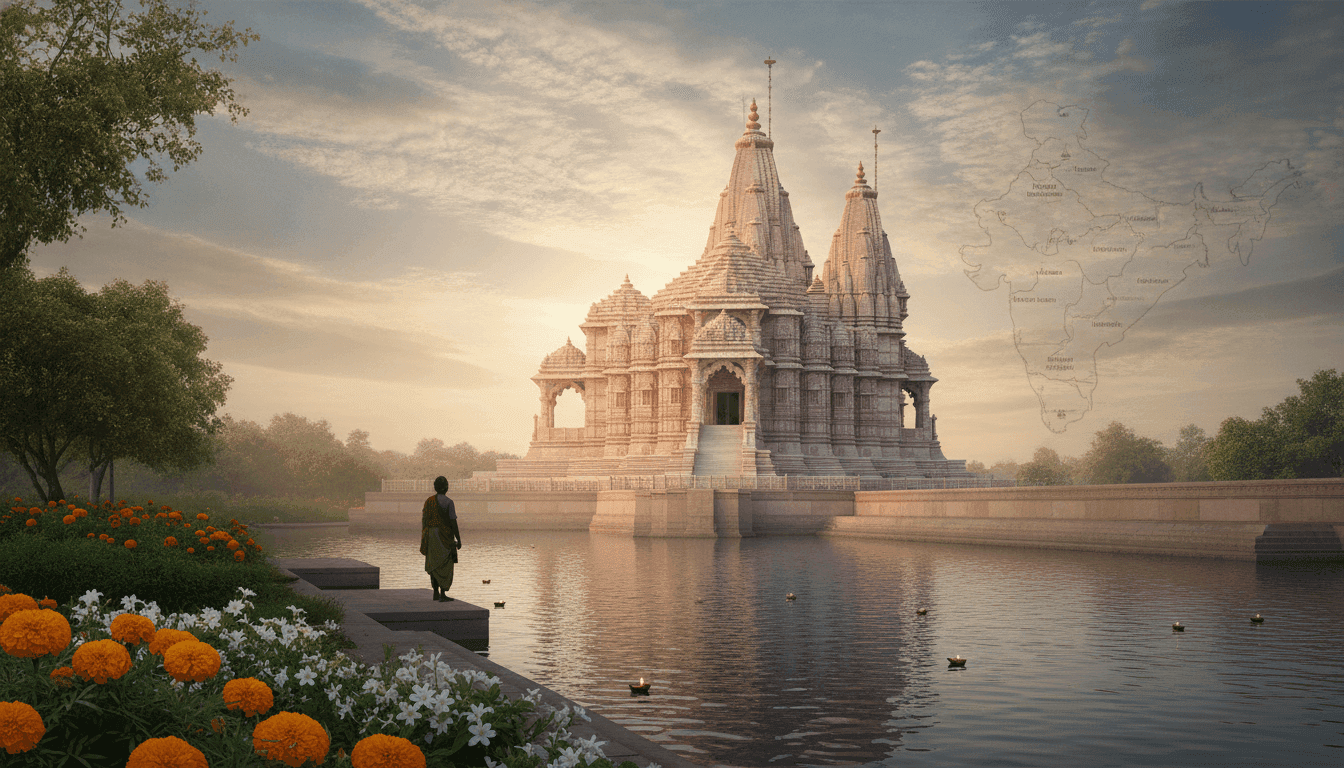
Plan your November 2026 Ayodhya getaway with this travel guide covering Ram Mandir, Hanuman Garhi, Kanak Bhawan, Ram Ki Paidi, Saryu ghats, local sightseeing, travel tips and places to stay.
Planning a long weekend in Ayodhya in November 2026 offers an opportunity to explore one of India's most significant religious and historic destinations at a comfortable pace. From the revered Shri Ram Janmabhoomi Mandir and Hanuman Garhi to Kanak Bhawan, Ram Ki Paidi and the Saryu riverfront, Ayodhya brings together spirituality, heritage and local culture.
The official District Ayodhya tourism portal lists several important attractions, including Sri Ram Janm Bhumi Mandir, Ram Ki Paidi, Nageshwar Nath, Kanak Bhawan, Hanuman Garhi, Gulab Bari and other religious and historic sites.
A three-day long weekend can be enough to cover the major places to visit in Ayodhya while still leaving time for temple visits, peaceful walks and evenings along the Saryu. Since November falls in the cooler part of the year in North India, it can also be a practical period for sightseeing and outdoor exploration.
Ayodhya is a destination where pilgrimage and heritage travel naturally come together. A visit can include temple darshan, historic sites, riverfront experiences, local food and quiet moments of reflection.
November is particularly suitable for travellers who want to explore several Ayodhya tourist places without planning every hour of the day. Cooler daytime conditions can make walking between nearby attractions more comfortable than during the hotter months.
For travellers planning an Ayodhya Ram Mandir visit, it is important to check official information about darshan arrangements, entry requirements and current visitor procedures before travelling. Temple operations and visitor arrangements can change, so rely on official updates close to your travel date.
Start your long weekend by exploring some of the city's most important religious landmarks.
A good first day can focus on attractions in and around the historic core, allowing you to experience Ayodhya without spending too much time travelling between distant locations.
The Shri Ram Janmabhoomi Mandir is central to the modern Ayodhya pilgrimage experience. The official District Ayodhya tourism portal includes Sri Ram Janm Bhumi Mandir among the city's principal attractions.
If the temple is the primary purpose of your visit, plan this part of your itinerary carefully. Check official visitor information before your journey and allow additional time for security procedures, queues and movement around the temple area.
Avoid scheduling multiple time-sensitive attractions immediately after your temple visit. Keeping some flexibility can make the day more comfortable.
Continue your spiritual sightseeing with Hanuman Garhi, one of Ayodhya's important religious attractions.
The district administration describes Hanuman Garhi as a religious site located around 1 km from Ayodhya railway station. The temple is traditionally associated with Lord Hanuman and features an entrance approached by a flight of stairs.
The temple can be included alongside other attractions in the central area, making it convenient for a first day of sightseeing.
Kanak Bhawan is another significant religious and historic attraction in Ayodhya. The official district tourism page places it northeast of Ram Janam Bhumi in the Ramkot area and describes it as one of Ayodhya's well-known temples.
The temple is associated with traditions surrounding Lord Ram and Goddess Sita, and its architecture and devotional atmosphere make it an important addition to an Ayodhya itinerary.
End your first day at Ram Ki Paidi, a series of ghats along the Saryu River.
The district administration describes Ram Ki Paidi as a riverfront series of ghats, with the landscape particularly striking when illuminated at night.
An evening visit allows you to experience the riverfront after the main sightseeing of the day. Take a relaxed walk, observe the atmosphere around the ghats and, if you plan to participate in any religious activity, follow local guidance and safety instructions.
Use your second day to explore attractions beyond the core Ram Mandir-Hanuman Garhi circuit.
This gives you a broader understanding of Ayodhya tourism, including its religious traditions, historic sites and riverfront landscape.
Nageshwar Nath Temple is located at Ram Ki Paidi and is among the religious attractions listed by the District Ayodhya administration.
Because it is close to Ram Ki Paidi, it can be incorporated into the same sightseeing circuit rather than requiring a separate long journey.
Guptar Ghat can be included for travellers interested in Ayodhya's riverfront and religious heritage.
A visit here can provide a quieter contrast to some of the busier central attractions. Check local conditions and current access arrangements before planning your visit.
Naya Ghat is another part of Ayodhya's riverfront landscape. It can be combined with nearby temples and riverside attractions depending on your schedule.
The official District Ayodhya tourism information lists Naya Ghat among the city's points of interest.
Ayodhya is not limited to temples. The city also has historic monuments and cultural sites that add another dimension to the trip.
Gulab Bari, meaning "Garden of Roses", is a historic complex associated with the tomb of Nawab Shuja-ud-Daula. It is listed by the District Ayodhya administration as a scenic and historic attraction.
Its gardens and architecture provide a change of pace from the temple-focused attractions in the old city.
Travellers interested in architecture and history can also consider Bahu Begum Ka Maqbara. It adds another perspective to the historical heritage of the wider Ayodhya-Faizabad area.
If your long weekend is primarily pilgrimage-focused, you can treat this as an optional attraction rather than trying to include every historic site.
Keep your final day flexible. A long weekend does not need to become a checklist of attractions.
You can revisit a temple, spend more time around the Saryu, browse local shops or enjoy a relaxed meal before departure.
If your first two days were focused on major religious sites, the third day is a good opportunity to explore less hurriedly.
Local markets are useful for purchasing souvenirs, devotional items, handicrafts and everyday products.
Take time to browse rather than rushing through the market. If you are buying religious or handmade products, compare prices and quality before making a purchase.
A final walk along the Saryu can provide a peaceful end to the trip.
Depending on your schedule, you can visit the riverfront in the morning or evening and spend some time simply taking in the surroundings.
While pilgrimage is central to Ayodhya tourism, there are several other things to do in Ayodhya.
Explore historic neighbourhoods, walk along the riverfront, visit heritage monuments and discover local food.
You can also dedicate time to photography. The architecture of temples, ghats, historic buildings and markets provides plenty of opportunities for capturing the city's visual character.
For a more relaxed experience, avoid planning too many attractions in one day. Ayodhya is a destination where the atmosphere and spiritual character are an important part of the experience.
If your primary reason for travelling is an Ayodhya Ram Mandir visit, build the rest of your itinerary around the temple rather than treating it as one stop among many.
Check official visitor information before travelling, particularly for darshan arrangements, entry procedures, security restrictions and permitted items.
Allow additional time around your planned visit. Large pilgrimage destinations can experience changing visitor volumes, and actual movement through the area may take longer than expected.
Wear comfortable clothing and footwear because sightseeing in Ayodhya can involve walking and standing.
Most importantly, follow instructions from temple authorities and local officials during your visit.
Accommodation can make a significant difference during a short pilgrimage and sightseeing trip. When comparing hotels in Ayodhya, consider location, access to major attractions, dining facilities, room comfort and transportation options.
If your itinerary focuses heavily on Ram Mandir, Hanuman Garhi and Kanak Bhawan, convenient access to the central pilgrimage areas can reduce travel time.
For families and senior travellers, comfortable rooms, easy transportation and suitable dining facilities can be particularly useful. Couples and leisure travellers may prefer a quieter property where they can relax between sightseeing sessions.
When planning a November long weekend, booking accommodation ahead of time is advisable, especially around busy pilgrimage periods and major events.
Ayodhya can be explored using local transport, taxis and other road-based options. Your choice depends on your itinerary and the size of your group.
For a short pilgrimage-focused trip, arranging transportation for longer excursions while walking between nearby attractions can be practical.
If travelling with children, older adults or a larger group, consider arranging a vehicle for the day so you can move between attractions more comfortably.
Always allow extra time for traffic, pedestrian movement and possible crowd-related delays around major religious sites.
Food is another way to experience the local character of Ayodhya.
You can explore vegetarian North Indian dishes, snacks, sweets and traditional beverages during your stay. Around major pilgrimage areas, you will find numerous options for quick meals and refreshments.
When travelling with family, choose clean, well-maintained establishments and stay hydrated throughout the day.
If you have specific dietary requirements, confirm ingredients and preparation methods with the restaurant before ordering.
November can bring cooler mornings and evenings, so lightweight layers can be useful.
Carry comfortable walking shoes because temple visits and sightseeing may involve considerable walking or standing.
Other useful items include a reusable water bottle, sunscreen, sunglasses, personal medicines and a small bag for essentials.
If you plan to visit multiple religious sites, wear comfortable and respectful clothing and check any specific dress or entry guidelines before visiting.
Plan your most important temple visits first and keep the rest of the itinerary flexible.
Group attractions that are close to one another to minimise unnecessary travel.
Start sightseeing early when possible, particularly if you want to visit multiple religious sites.
Keep some free time for the Saryu riverfront, local markets and spontaneous exploration.
Check official information before your trip because opening hours, access arrangements, security procedures and visitor rules can change.
If travelling with elderly family members, allow additional time for rest and choose transport options that minimise unnecessary walking.
Begin with Shri Ram Janmabhoomi Mandir, followed by Hanuman Garhi and Kanak Bhawan. Spend the evening around Ram Ki Paidi and the Saryu riverfront.
Visit Nageshwar Nath Temple, Naya Ghat and other nearby religious attractions. Later, explore historic sites such as Gulab Bari or Bahu Begum Ka Maqbara.
Keep the final day relaxed. Explore local markets, revisit a preferred attraction, spend time by the Saryu and enjoy a leisurely meal before departure.
A November 2026 Ayodhya trip can be much more than a pilgrimage to one landmark. With Shri Ram Janmabhoomi Mandir, Hanuman Garhi, Kanak Bhawan, Ram Ki Paidi, Nageshwar Nath Temple, historic monuments and the Saryu riverfront, the city offers a combination of spirituality, history and local experiences.
The best approach is to plan your important temple visits in advance while leaving enough time to explore the city at a comfortable pace. Group nearby attractions together, allow extra time for crowds and keep your itinerary flexible.
For travellers planning a comfortable stay during their Ayodhya getaway, Sarovar Hotels provides accommodation options that can serve as a convenient base for exploring the city's religious and cultural attractions.
Make your November 2026 trip more comfortable by choosing accommodation that fits your sightseeing and pilgrimage plans.
Explore Sarovar Hotels in Ayodhya and plan your stay around your preferred travel dates and itinerary.
Central Reservations: +91 98 8680 0049
Email: reservations@sarovarhotels.com
Plan your Ayodhya long weekend with Sarovar Hotels and discover the city's sacred temples, historic landmarks and peaceful Saryu riverfront.