
Loading…
Loading…
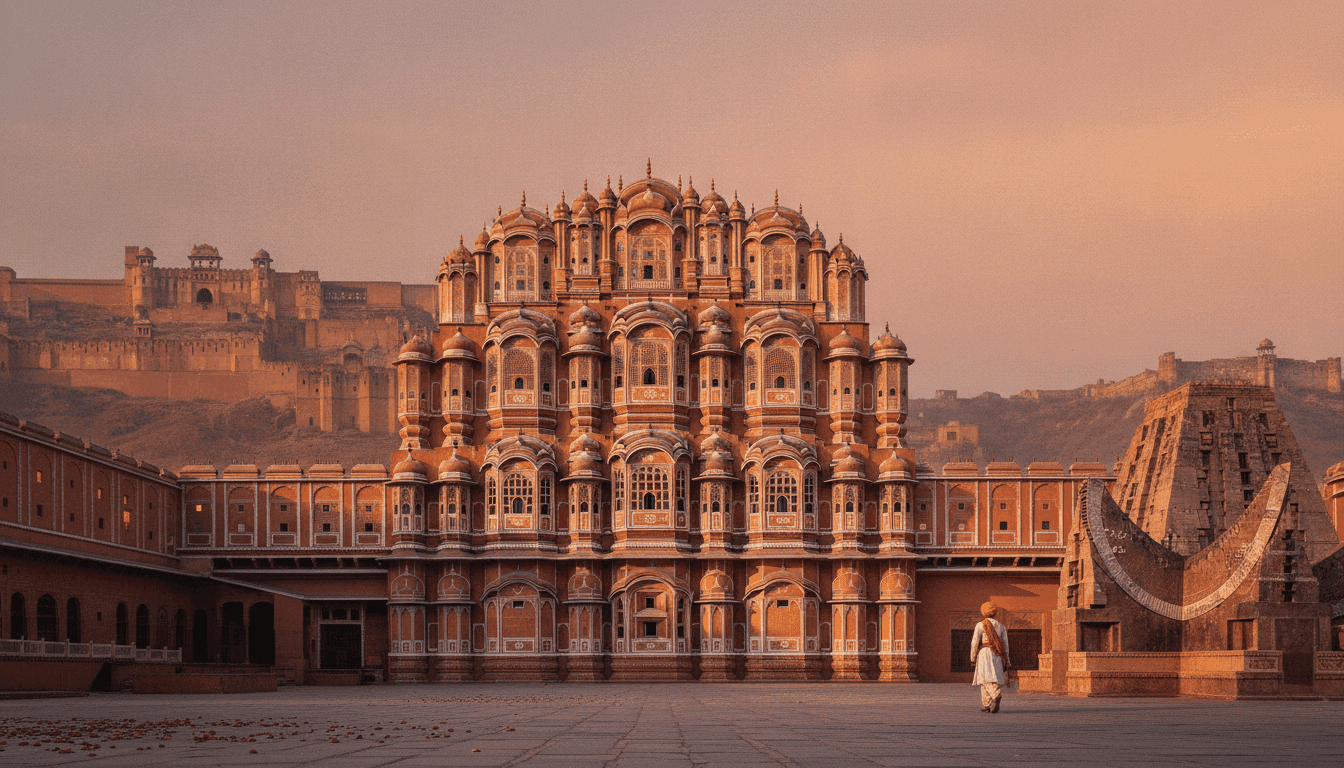
Jaipur offers a memorable combination of royal forts, historic palaces, colourful bazaars, traditional crafts and authentic Rajasthani food. For first-time visitors, the best things to do in Jaipur include exploring Amber Palace, photographing Hawa Mahal, understanding ancient astronomy at Jantar Mantar, walking through the City Palace complex and watching the sunset from Nahargarh Fort. Founded by Sawai Jai Singh II in 1727, Jaipur was planned on a grid with broad streets, public squares known as chaupars and continuous marketfronts. Its historic walled city became a UNESCO World Heritage Site in 2019, making Jaipur one of India’s most significant urban heritage destinations.
Here are 25 attractions and experiences to include in your Jaipur itinerary.
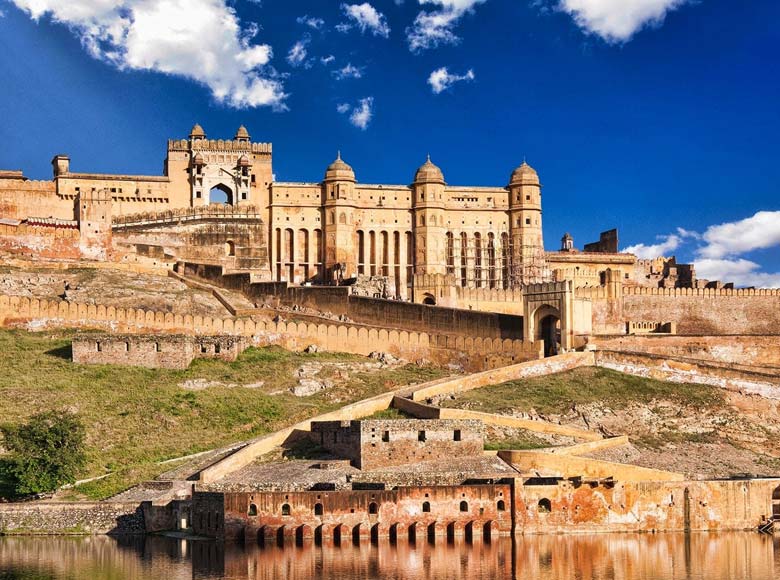
Amber Palace, also called Amer Fort or Amber Fort, is one of the most important heritage attractions near Jaipur. The complex combines Rajput and Mughal architectural influences and includes courtyards, audience halls, temples and the famous Sheesh Mahal.
Parts of the historic underground passage connecting Amber Palace with Jaigarh Fort have also been restored. Arrive early to explore the palace before the busiest sightseeing hours.
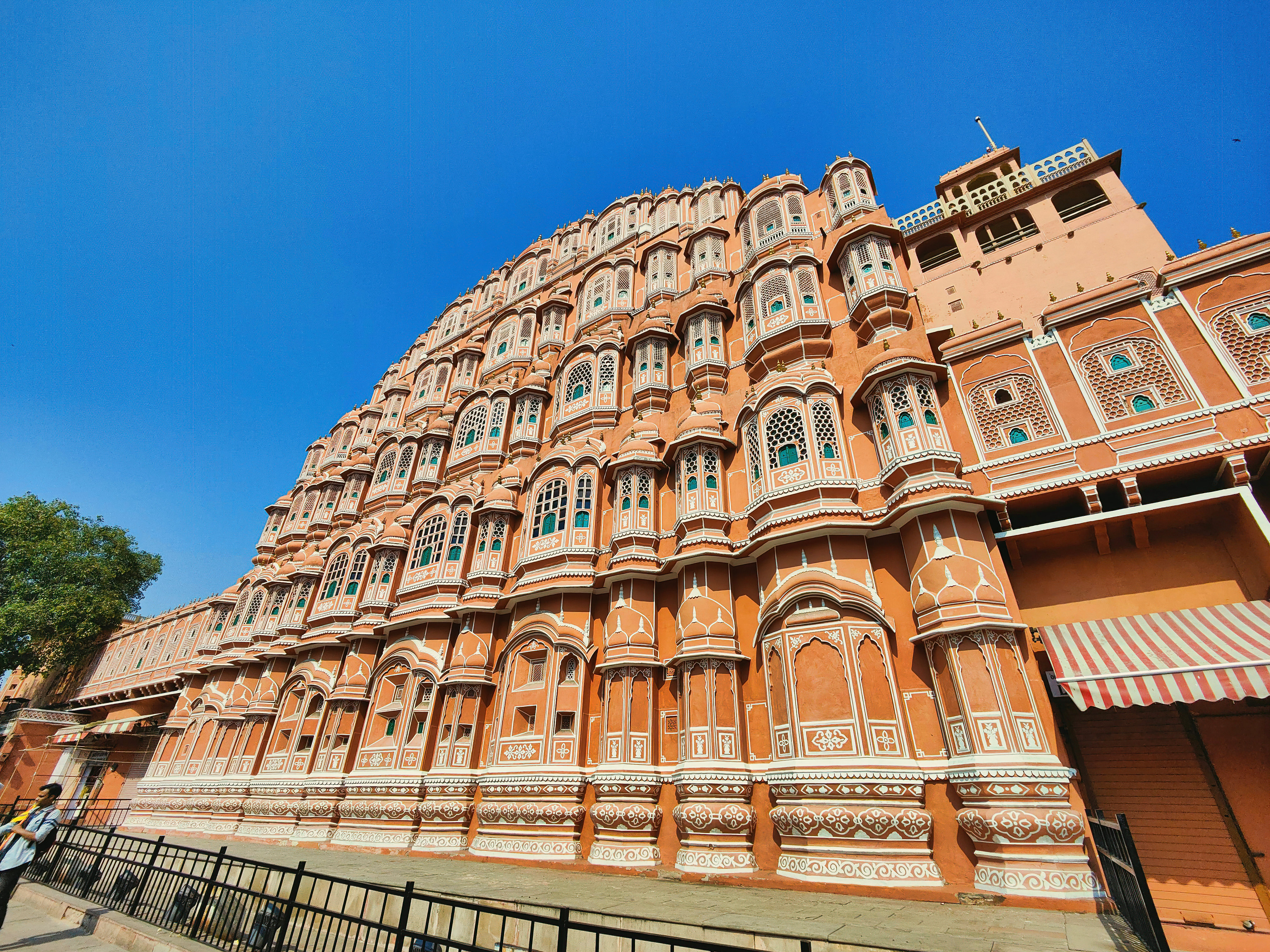
Hawa Mahal is one of Jaipur’s most recognisable landmarks. Its five-storey façade was designed with 953 small windows or jharokhas, which allowed royal women to observe processions and everyday life without being seen from the street.
The façade is especially photogenic during the softer morning light. Visitors can also enter the monument to explore its narrow passages and elevated city views.
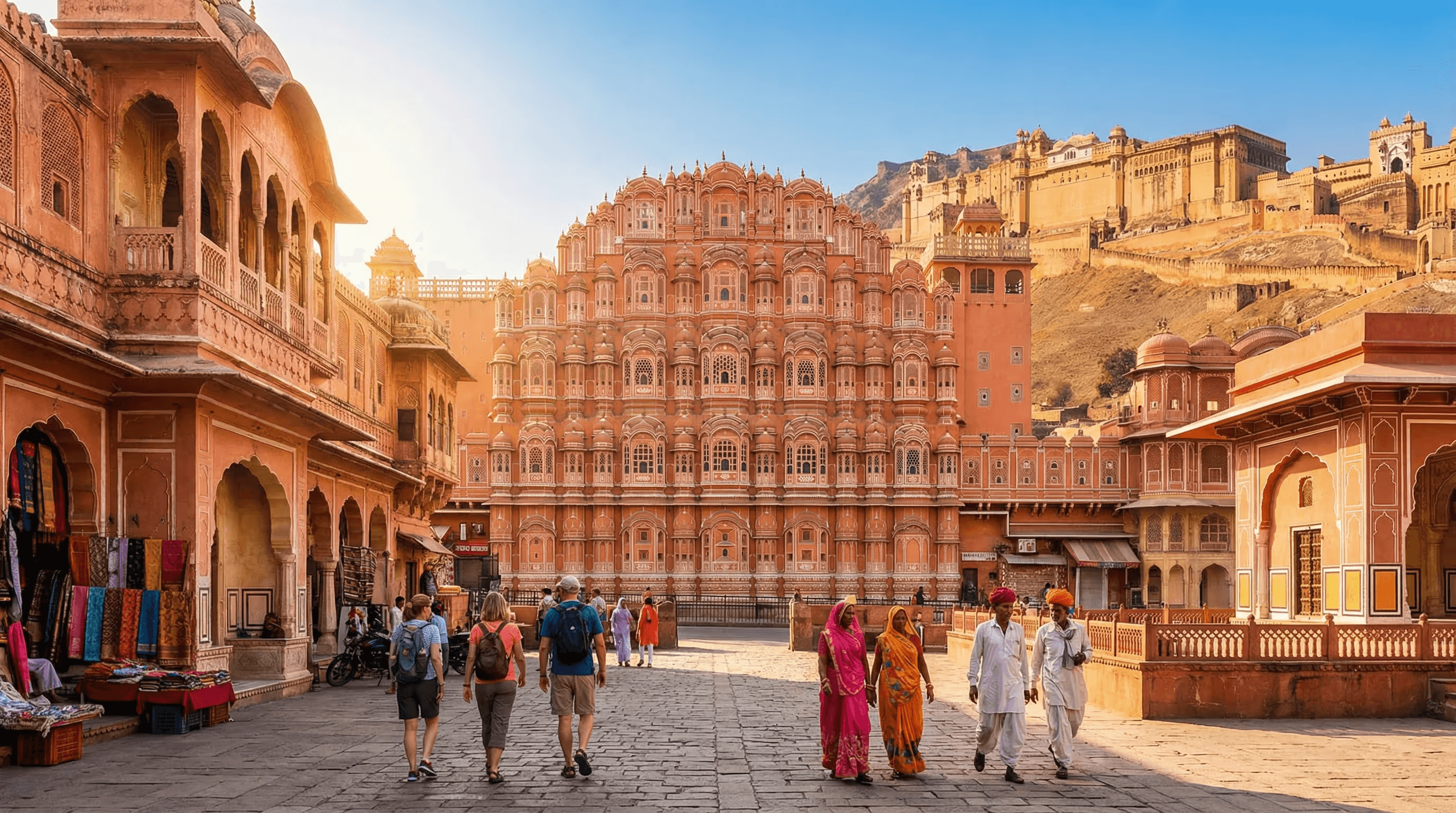
Located within Jaipur’s walled city, the City Palace was conceived by Maharaja Sawai Jai Singh II and later expanded by successive rulers. Its architecture brings together Rajput and Mughal design traditions.
The complex contains courtyards, gateways, museums, royal textiles, historic weapons and ceremonial spaces. A private section continues to be associated with Jaipur’s former royal family.
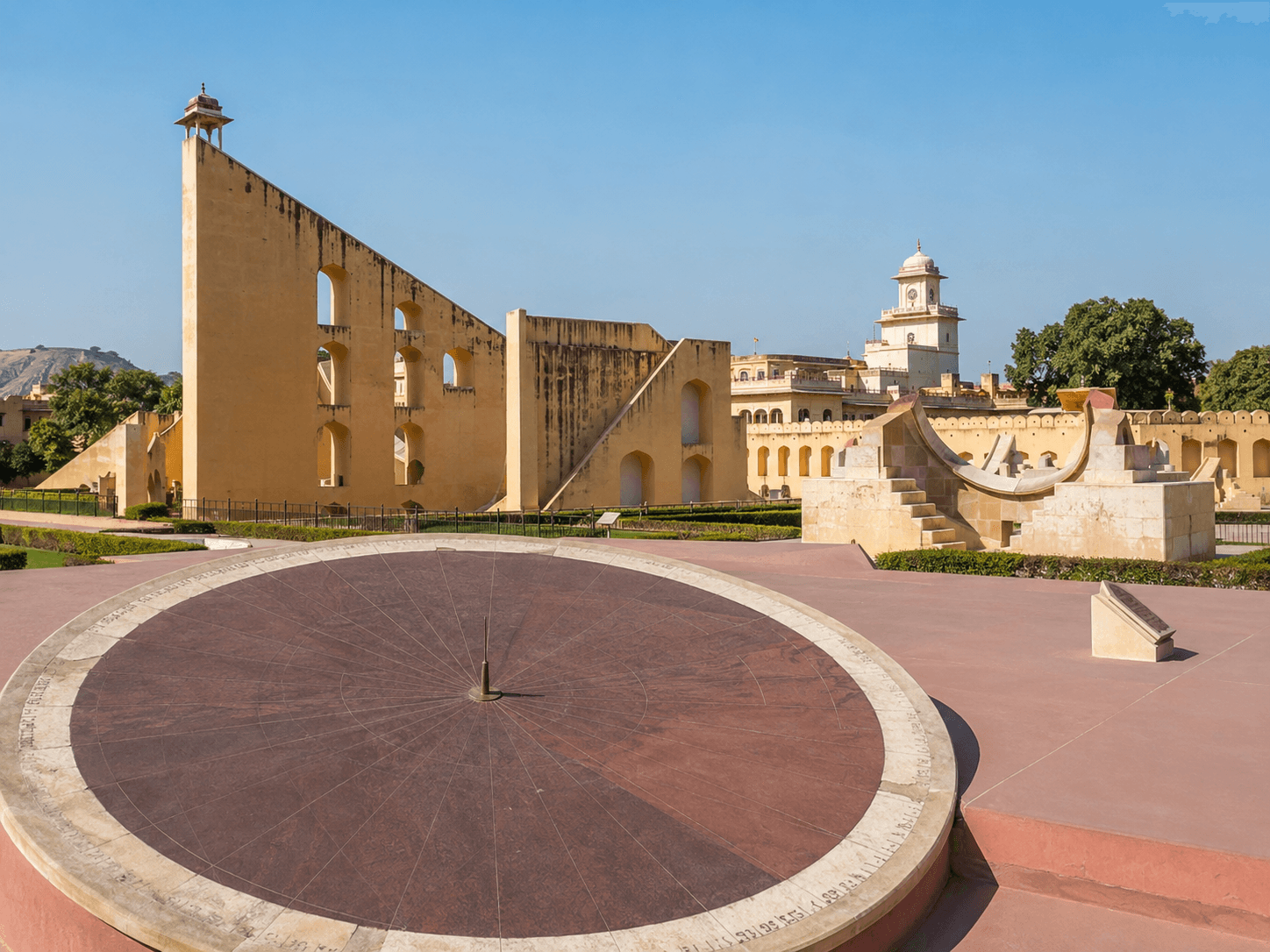
Jantar Mantar is an early-18th-century astronomical observatory containing around 20 large fixed instruments. These structures were designed to observe celestial bodies, measure time and support astronomical calculations.
The observatory is a UNESCO World Heritage Site and is best explored with a knowledgeable guide who can explain how its monumental instruments work.
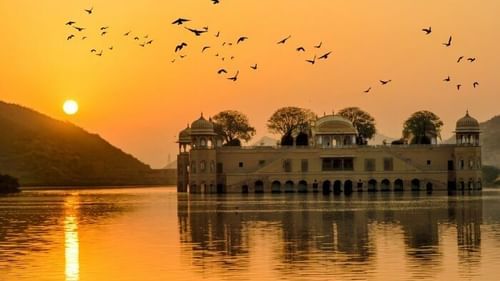
Jal Mahal appears to float in the middle of Man Sagar Lake, creating one of Jaipur’s most distinctive views. The pink sandstone structure was originally intended as a hunting lodge rather than a conventional royal residence.
Visitors usually view and photograph the palace from the lakeside promenade because entry to the structure is generally restricted.
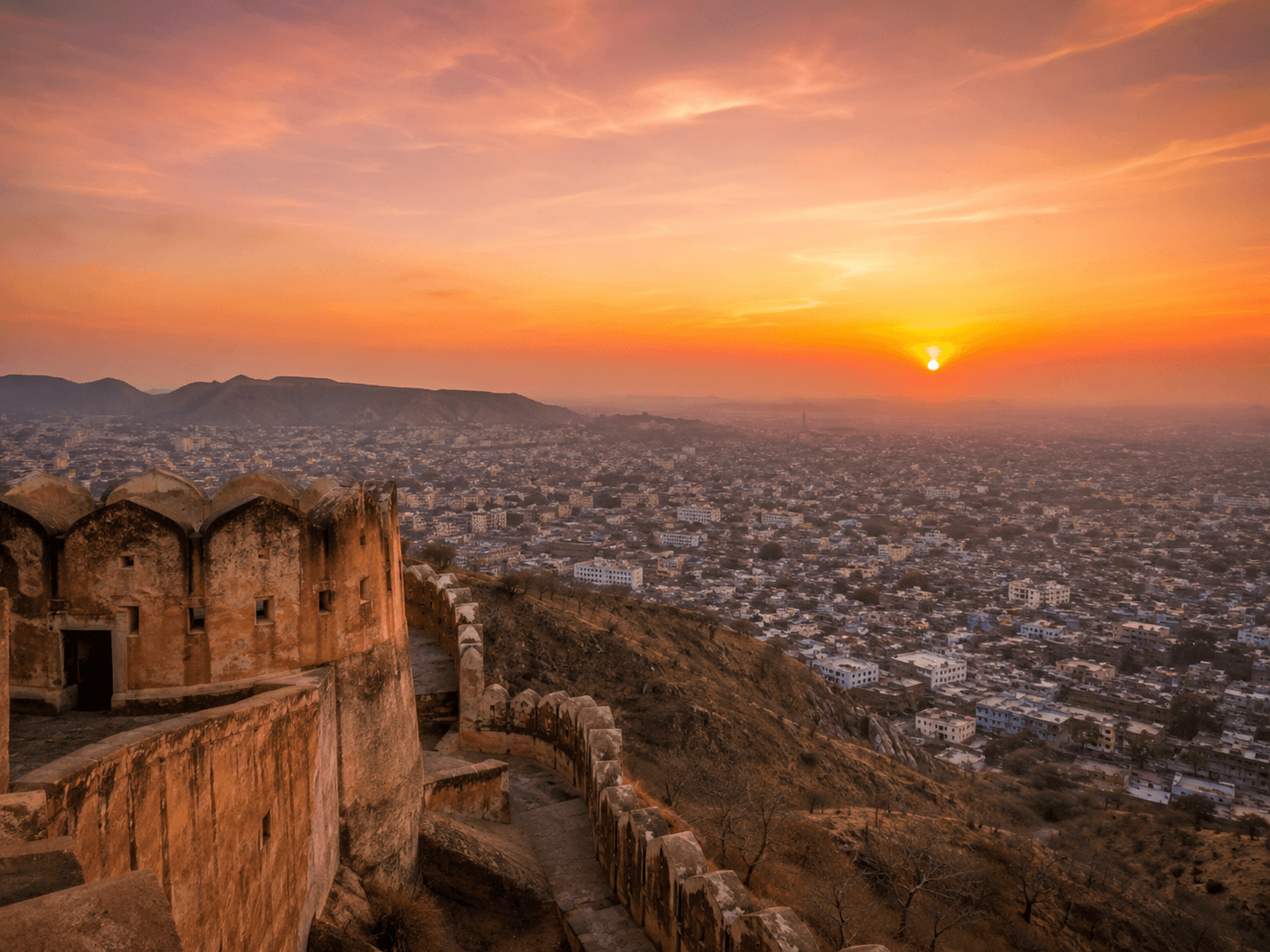
Nahargarh Fort rises above Jaipur and offers panoramic views across the old city and its surrounding neighbourhoods. It is particularly popular in the late afternoon when the changing light reveals Jaipur’s forts, hills and pink-toned urban landscape.
Allow enough time to explore the fort before finding a suitable viewpoint for sunset.
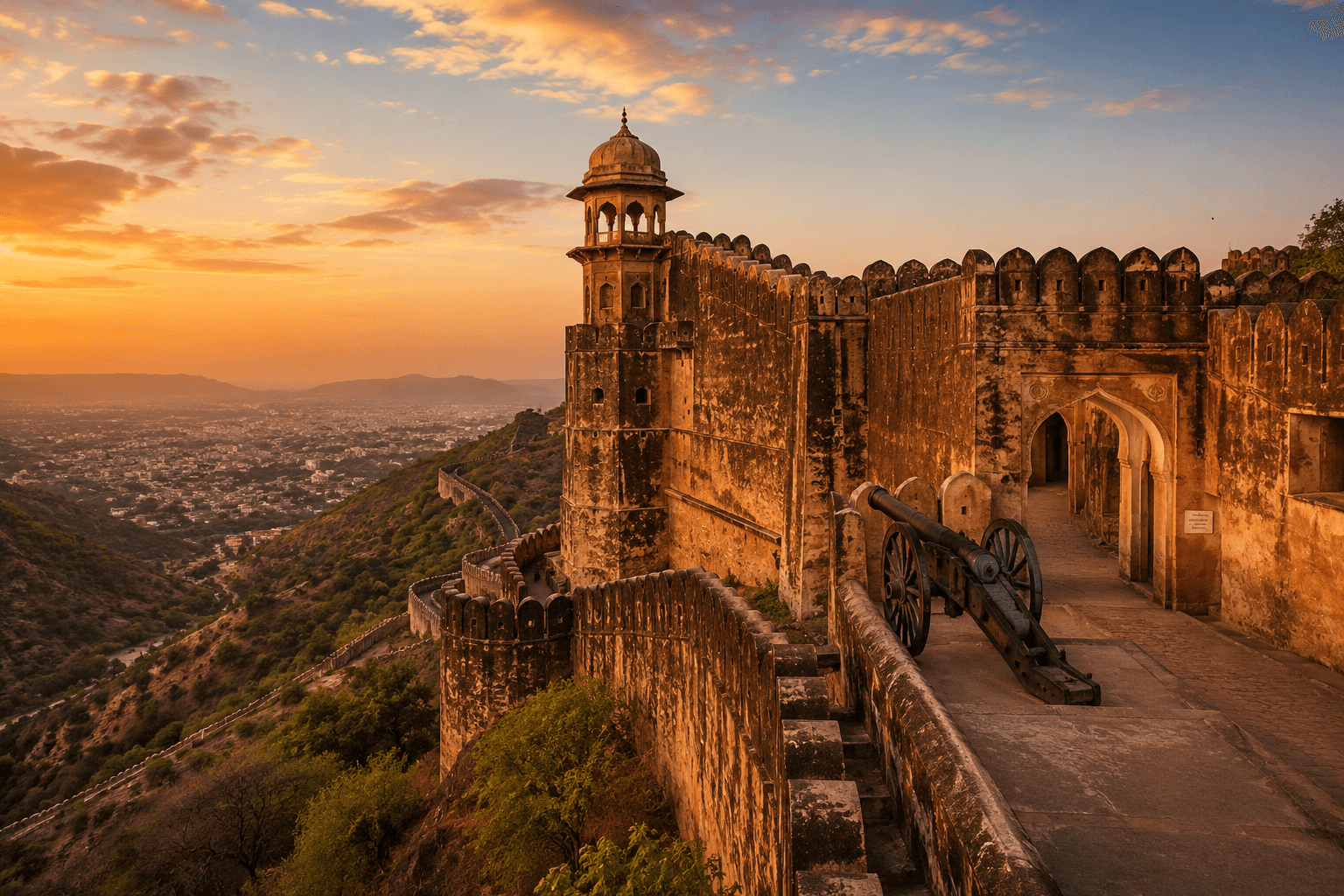
Jaigarh Fort stands on the Aravalli hills overlooking Amber Palace. Its fortified walls, elevated viewpoints and military architecture offer a different experience from Jaipur’s decorative palaces.
Amber and Jaigarh can be visited together because of their proximity and historical connection.
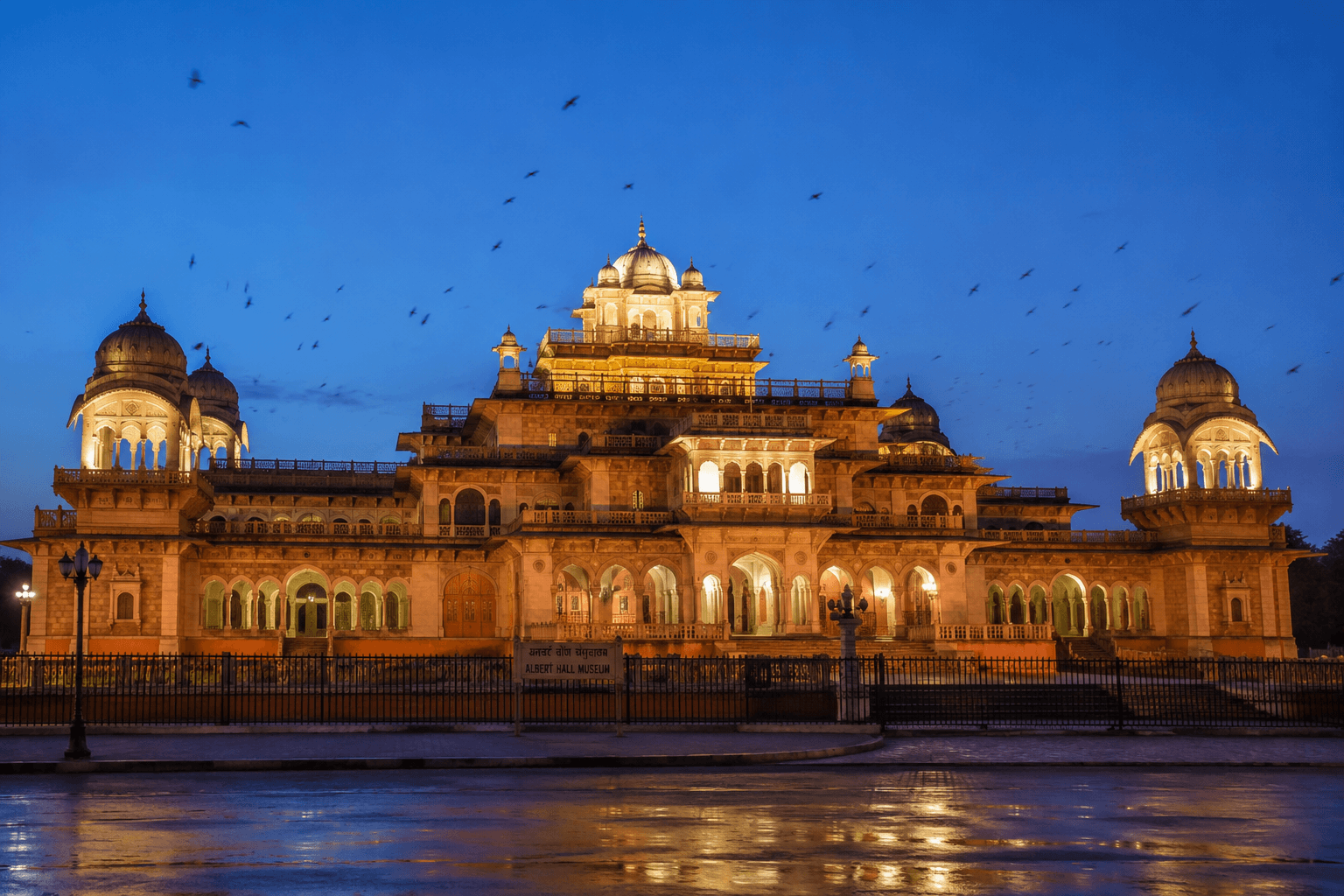
Albert Hall Museum is located within Ram Niwas Garden and is recognised for its Indo-Saracenic architecture. Its collections include miniature paintings, sculptures, metal objects, carpets, weapons, woodwork and decorative arts from Rajasthan and beyond.
The illuminated exterior also makes Albert Hall one of the popular things to see in Jaipur at night.
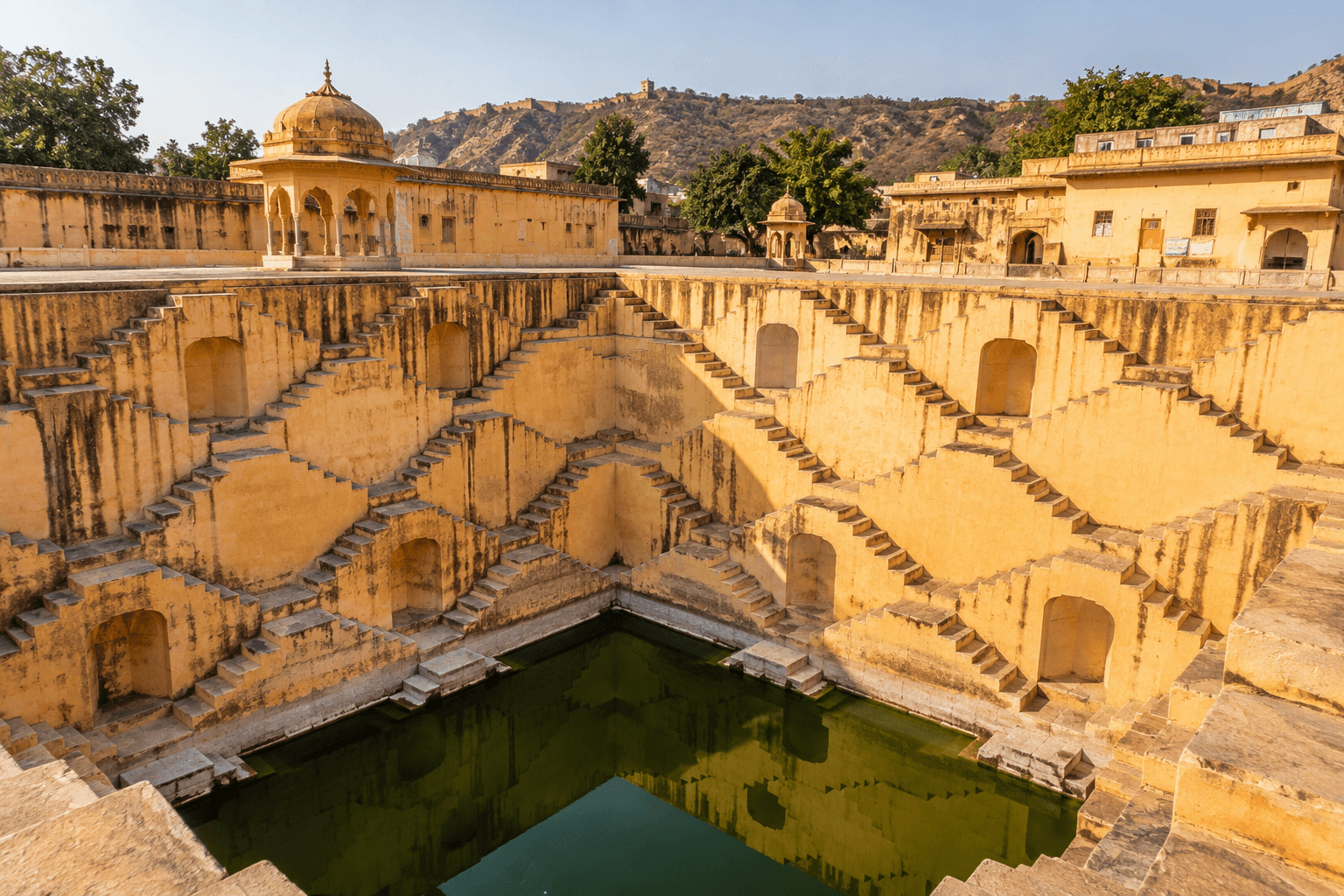
Situated near Amber, Panna Meena ka Kund is a historic stepwell known for its symmetrical stairways and geometric design.
It is a worthwhile addition to an Amber Palace itinerary and offers an opportunity to understand how stepwells once combined water management, community gathering and architectural design. The site is identified as a protected archaeological attraction in the Nahargarh eco-sensitive region.
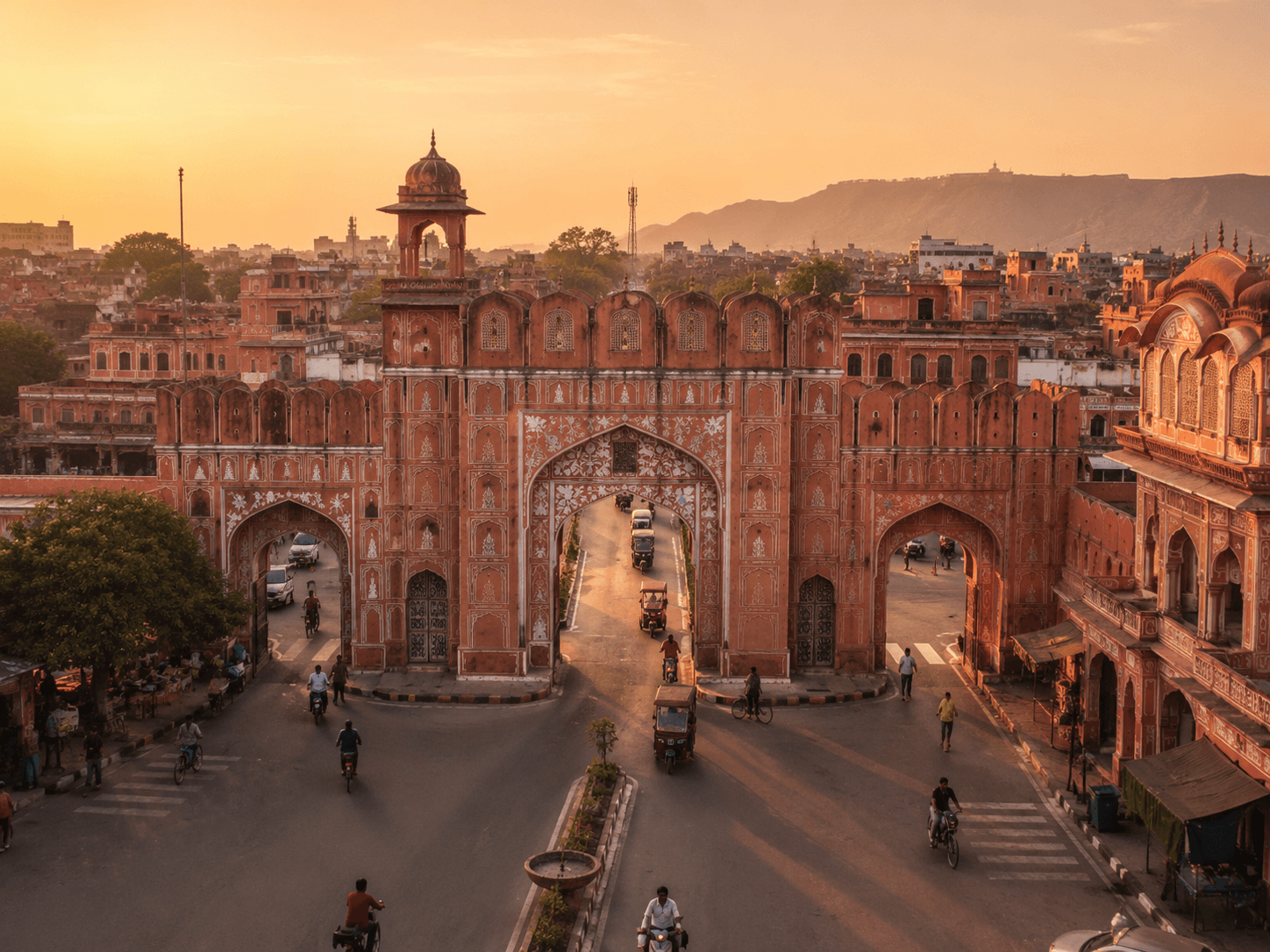
Walking through the walled city is one of the best ways to understand Jaipur’s original urban plan. The broad market streets intersect at public squares, while historic gates connect different quarters of the old city.
This walk offers views of painted façades, temples, traditional shops, havelis and everyday neighbourhood life. Jaipur’s grid plan and market-lined streets are among the attributes recognised by UNESCO.
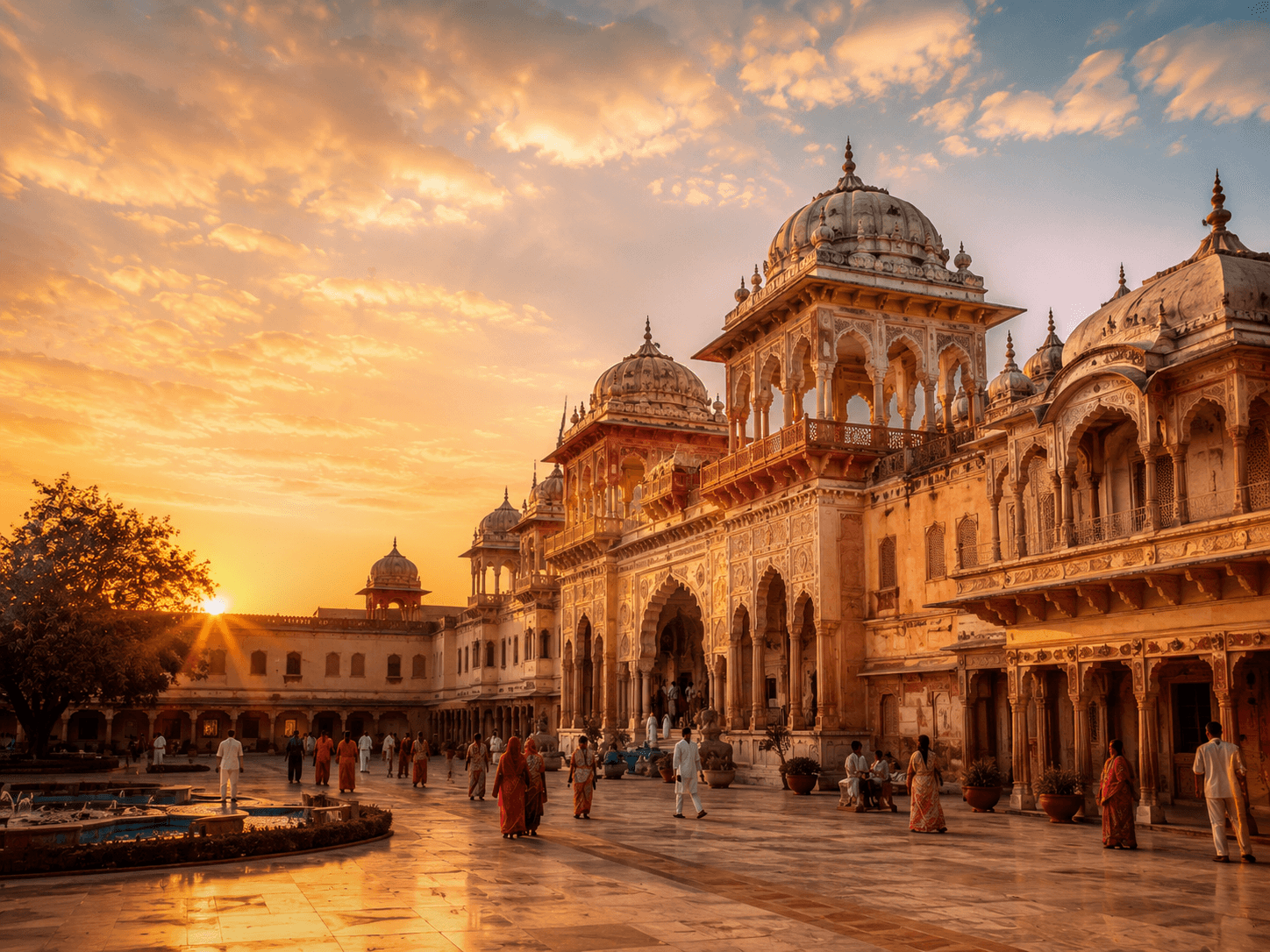
Govind Dev Ji Temple is an important place of worship located within the City Palace area. Visitors can attend one of the scheduled prayer ceremonies to experience devotional music, temple traditions and the spiritual character of Jaipur.
Visitors should dress respectfully and follow photography restrictions within the temple complex.
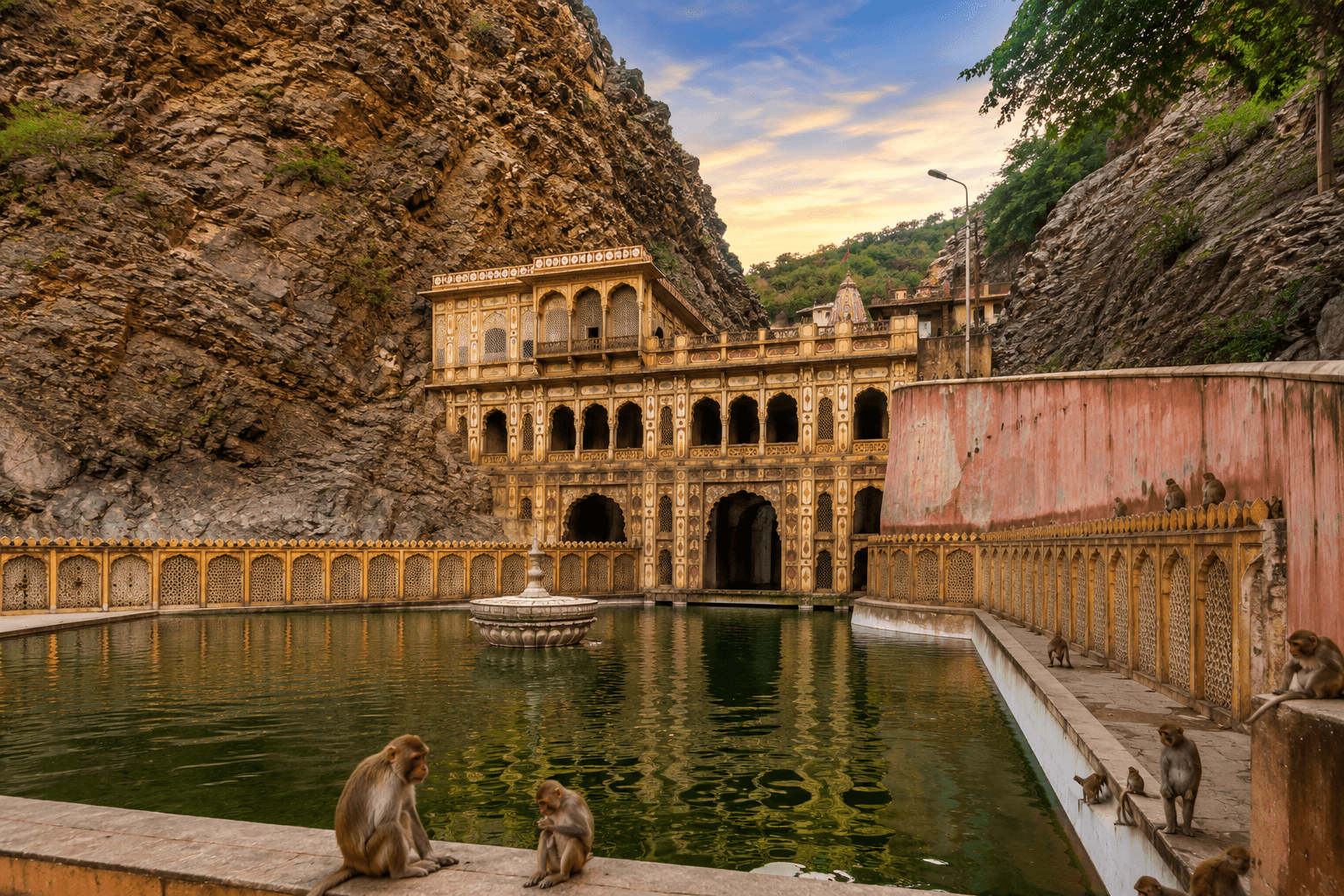
Galtaji is a historic pilgrimage complex set among the hills outside central Jaipur. It is known for its temples, natural water tanks and rocky surroundings.
The location offers a quieter contrast to Jaipur’s busy markets and central monuments. Comfortable footwear is advisable because exploring the complex involves walking over uneven and inclined paths.
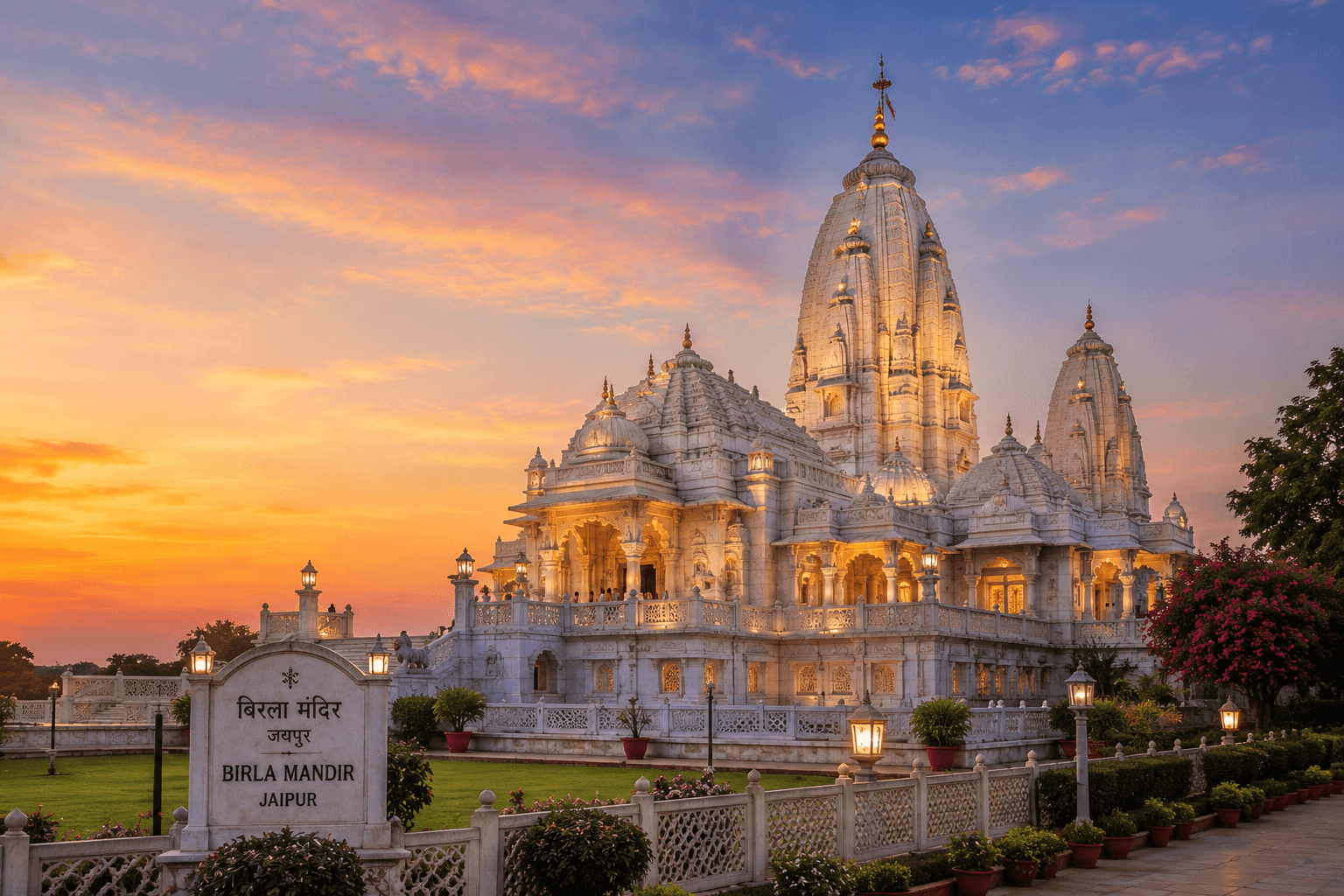
Birla Mandir is a modern white-marble temple located near Moti Dungri. Its carved walls and bright marble exterior create a peaceful setting, particularly during the early morning and evening.
The temple is an accessible cultural stop for travellers exploring central Jaipur.
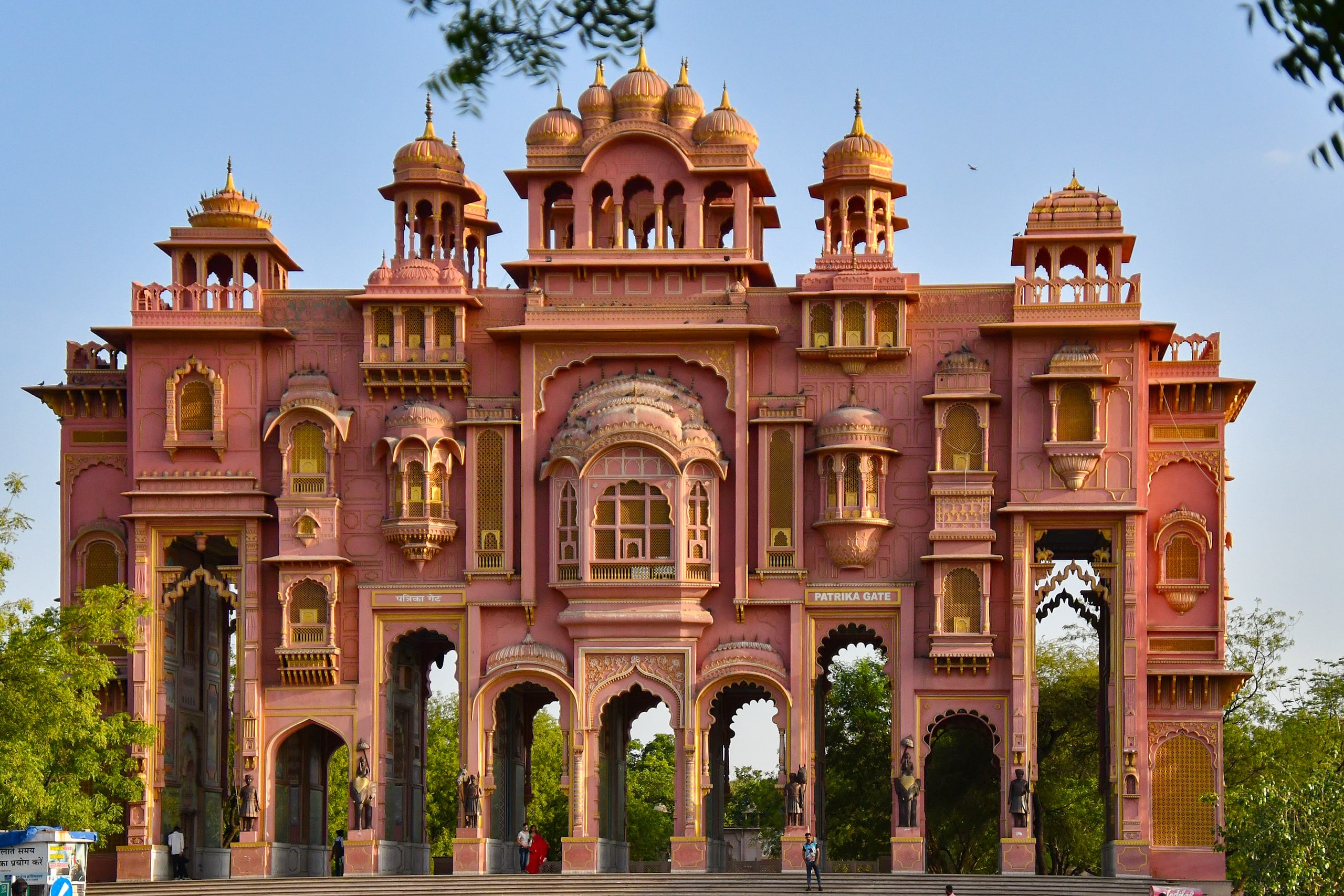
Patrika Gate is known for its colourful corridors, painted arches and detailed representations of Rajasthan’s architecture and artistic traditions.
It stands near Jawahar Circle, a landscaped public space with walking areas, gardens and a musical fountain. Rajasthan Tourism identifies Jawahar Circle as a notable recreation and sightseeing destination in Jaipur.
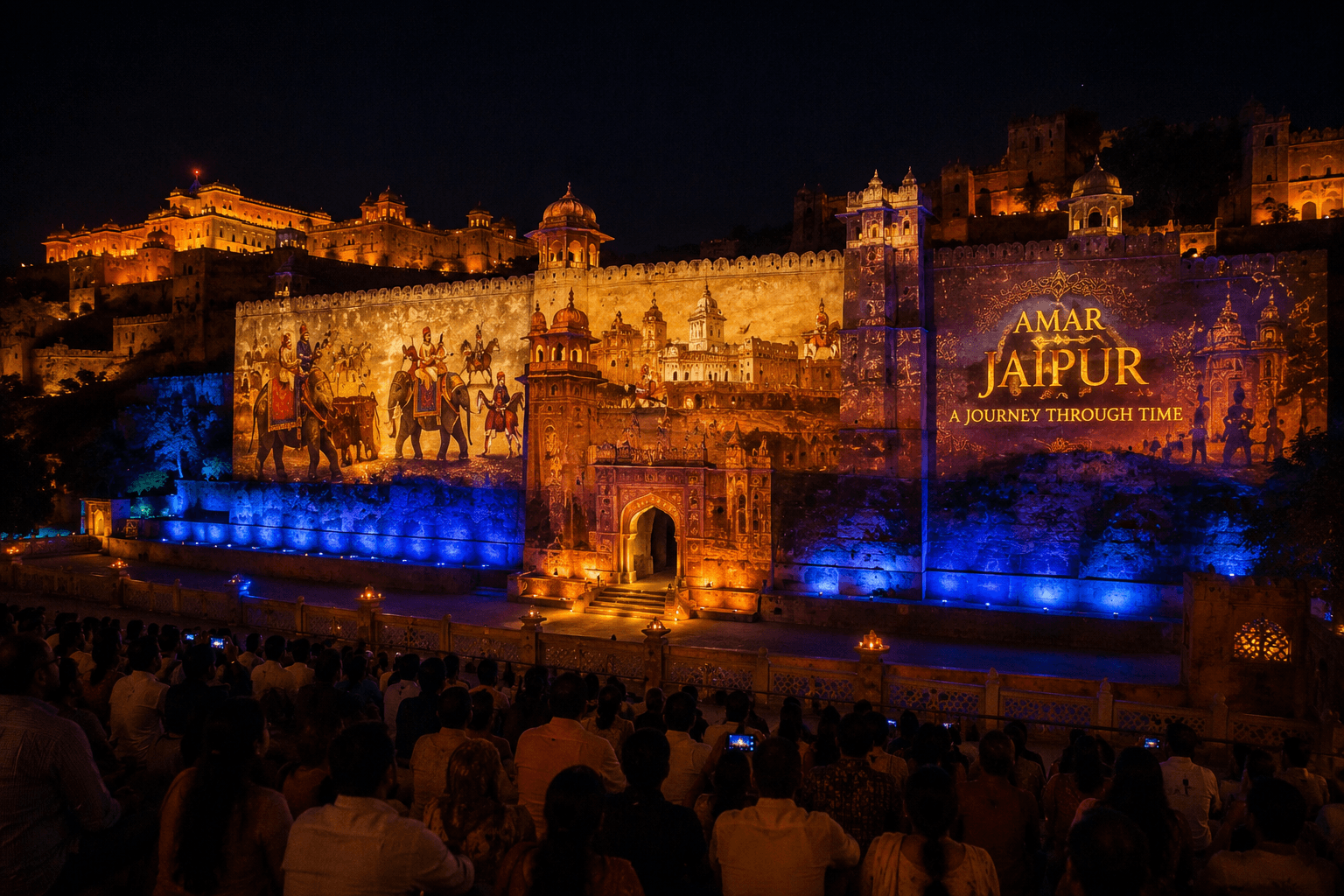
An evening light-and-sound presentation can introduce visitors to Jaipur’s rulers, legends, architecture and religious traditions through narration, projection and music.
Availability and schedules can change seasonally, so travellers should confirm the current programme with the attraction or hotel concierge before visiting.
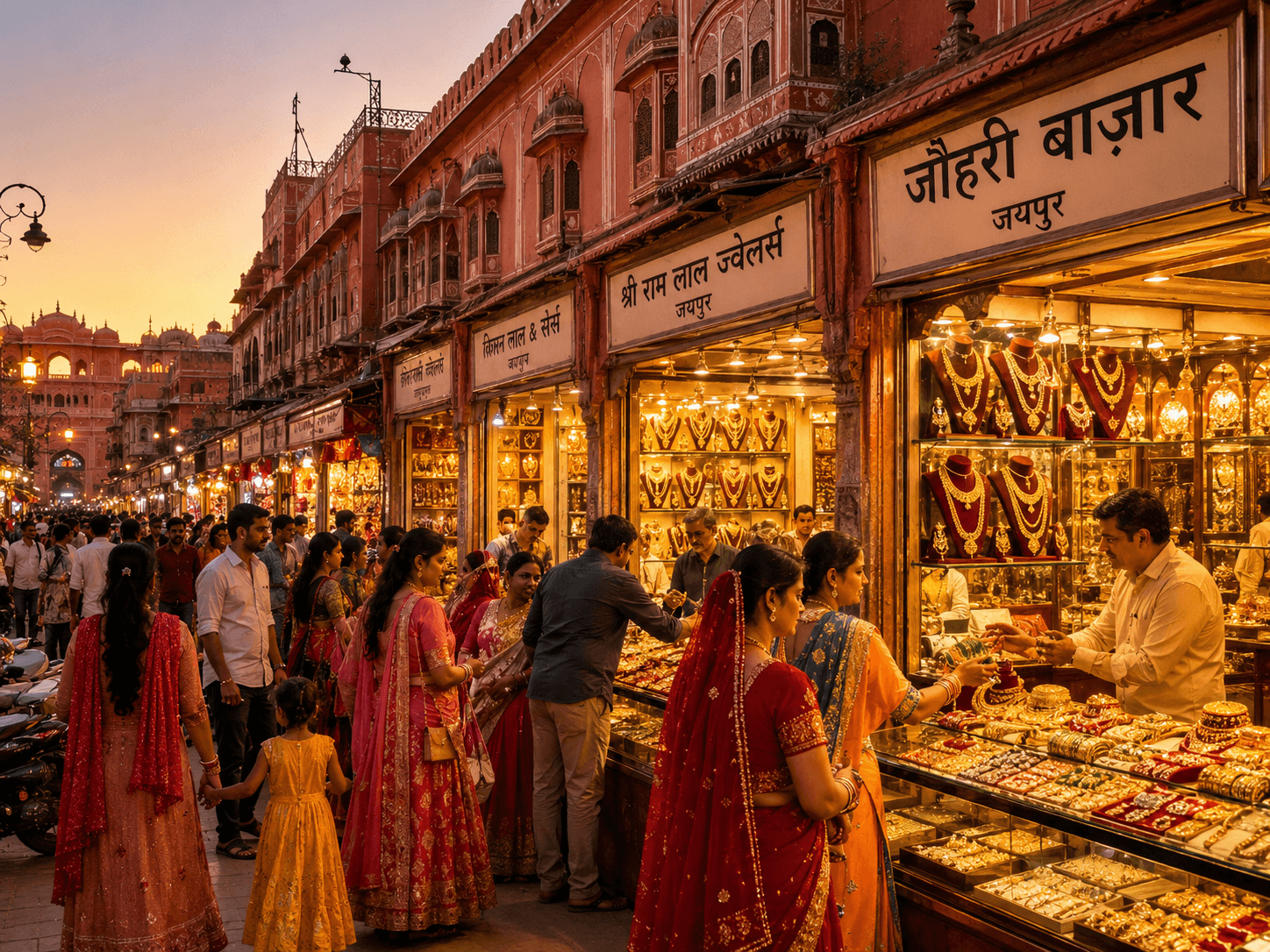
Johari Bazaar is one of Jaipur’s best-known shopping districts for gemstones, jewellery, traditional ornaments and wedding accessories.
Spend time comparing craftsmanship, materials and certification before making a high-value purchase. For gemstones or precious jewellery, choose an established seller and request an itemised invoice.
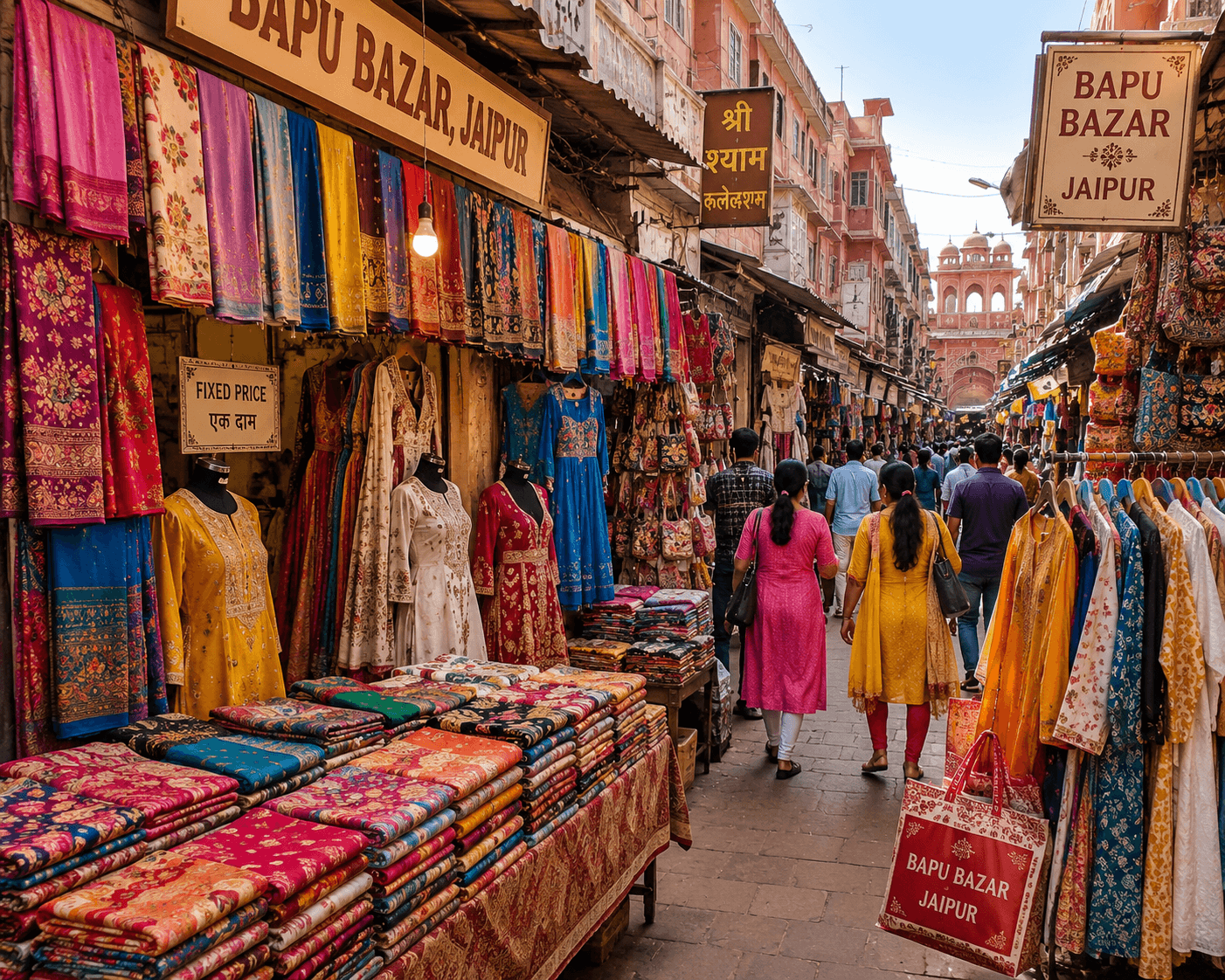
Bapu Bazaar is popular for printed textiles, traditional footwear, handicrafts, bags and colourful souvenirs. It is a convenient place to compare Jaipur’s fabrics and locally influenced fashion products.
Both Johari Bazaar and Bapu Bazaar are highlighted by India’s official tourism platform for their traditional crafts, textiles and food experiences.
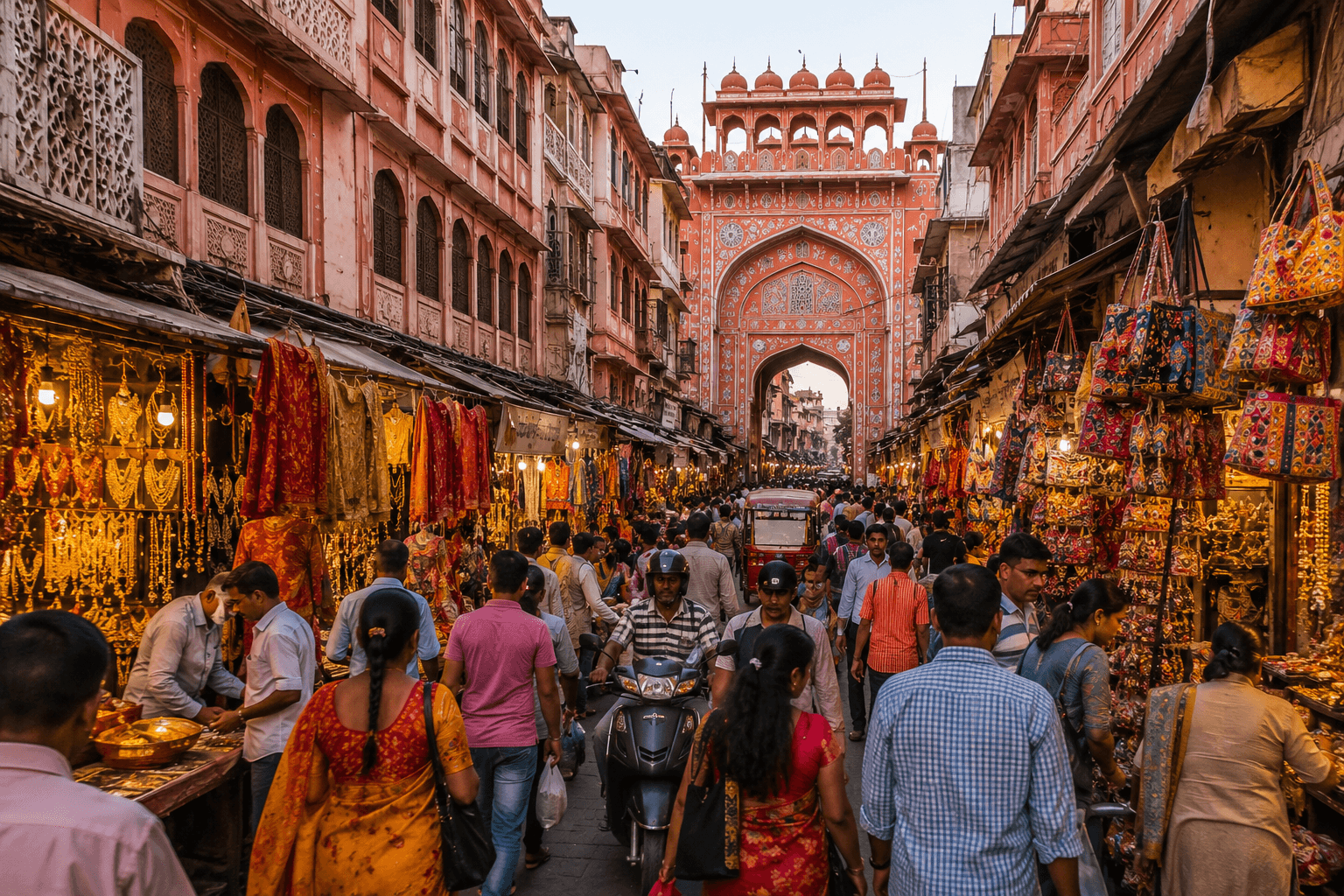
Tripolia Bazaar is associated with lac bangles, metalware and traditional household products, while Chandpole Bazaar is known for marble work, carved objects and handicrafts.
These markets provide a more traditional shopping experience than modern malls, but visitors should allow time for traffic and pedestrian movement in the old city.
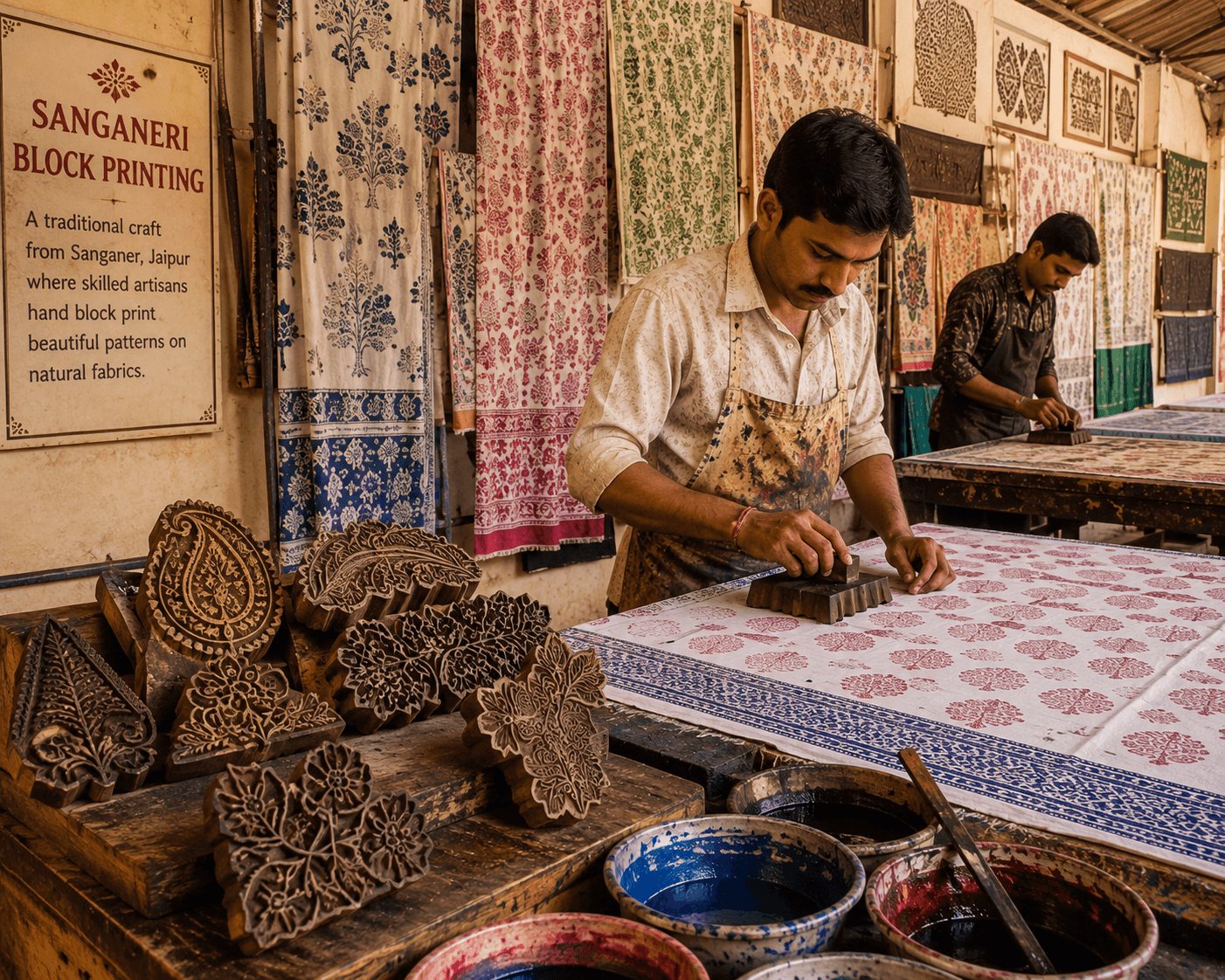
A workshop or craft visit in Sanganer is one of the most unique things to do in Jaipur. Sanganeri hand-block printing is recognised for fine floral and nature-inspired patterns, traditionally printed on white or off-white fabric.
A guided workshop can help visitors understand carving, colour preparation, fabric alignment and the repeated stamping process used to create intricate designs.
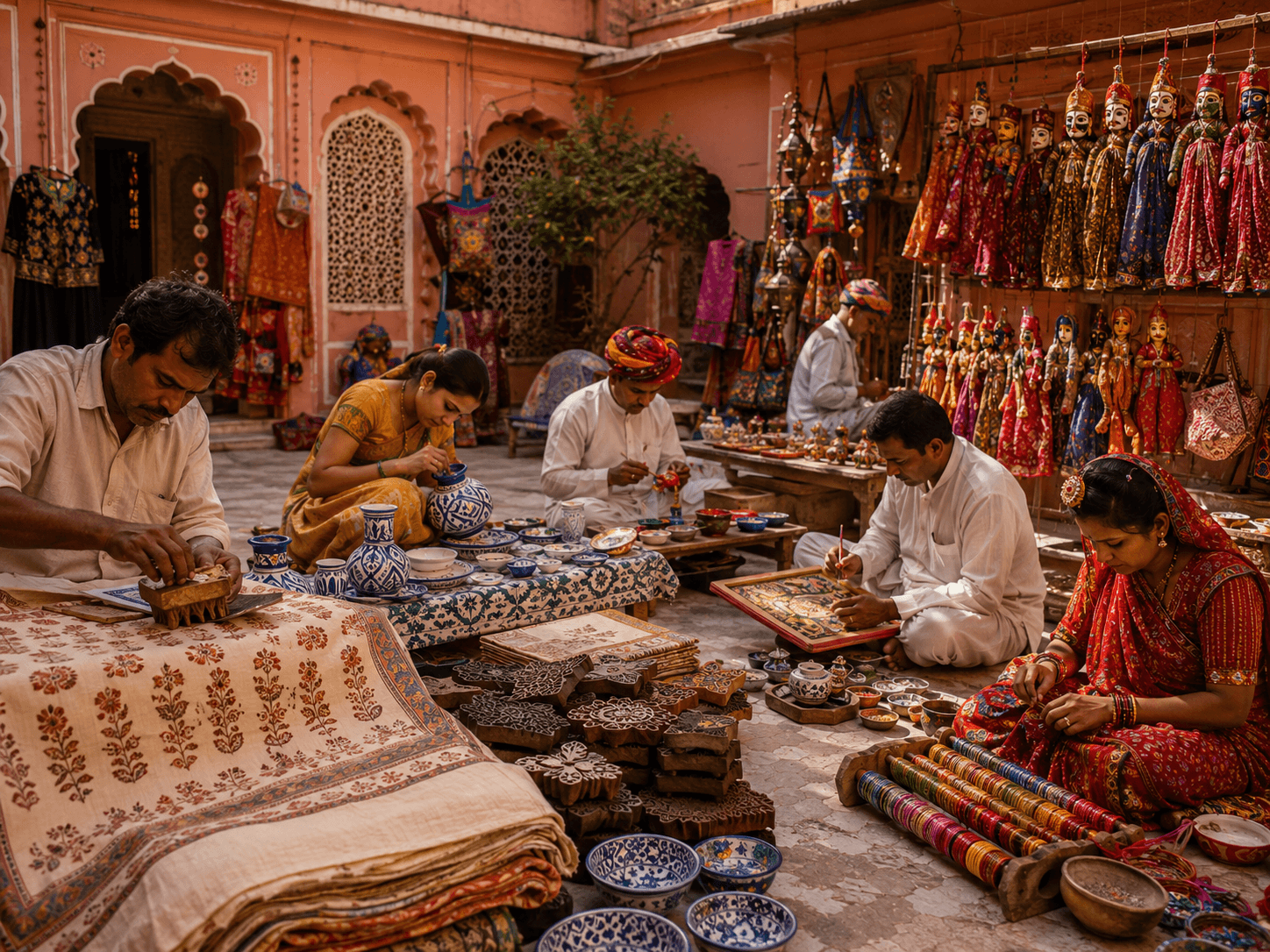
Jaipur is known for miniature painting, blue pottery, jewellery, textiles, stone carving and decorative crafts. Visiting an artisan studio or curated craft centre provides more context than simply purchasing finished products.
India’s official tourism platform describes Jaipur as a major centre of creativity where museums, workshops, galleries and traditional craft practices remain closely connected to the city’s identity.
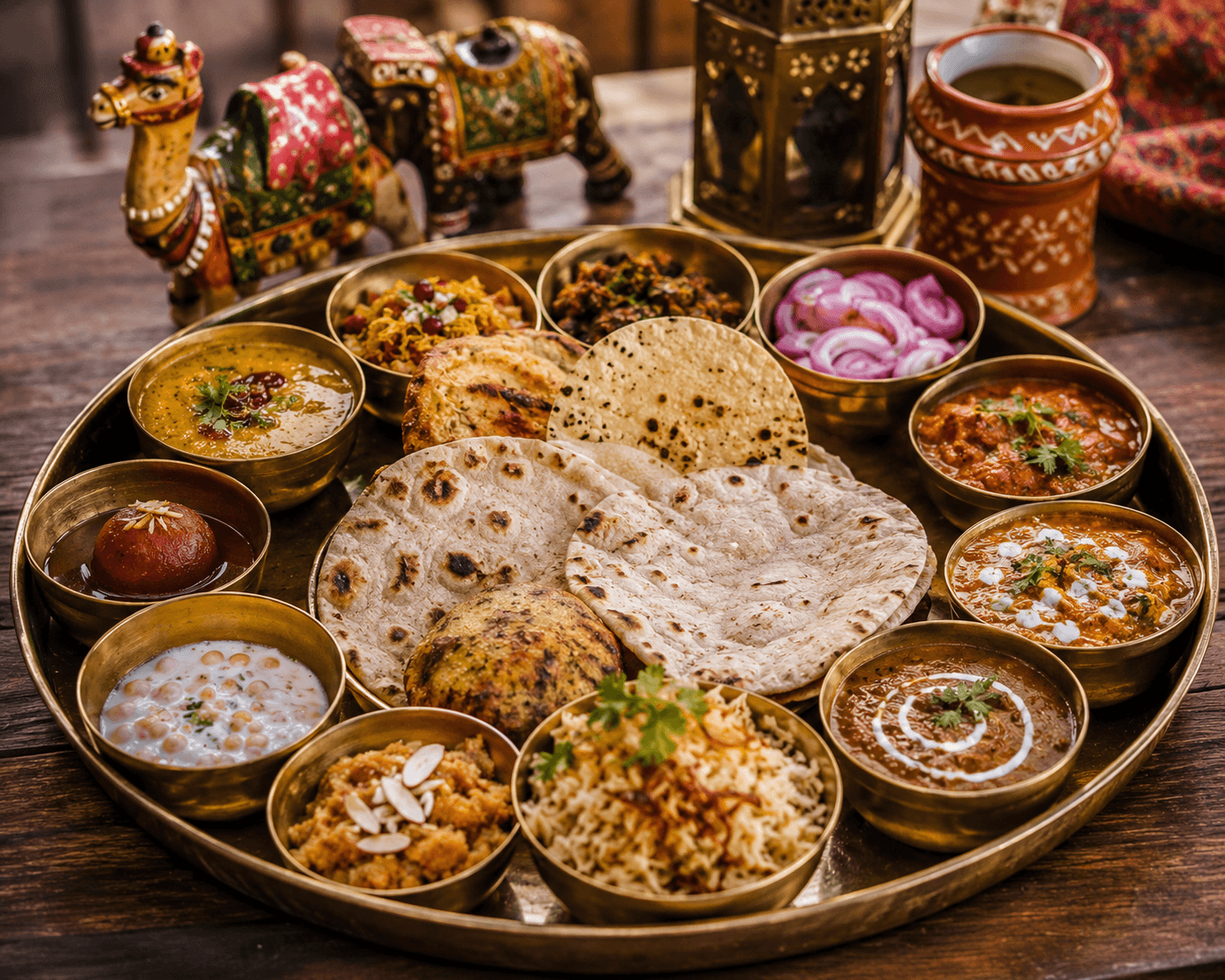
Trying regional food is among the most enjoyable things to do in Jaipur. Popular dishes include dal baati churma, gatte ki sabzi, ker sangri, pyaaz kachori and Rajasthani thali.
For dessert, consider ghevar, mawa kachori or traditional laddoos. Travellers with dietary requirements should confirm ingredients and spice levels before ordering.
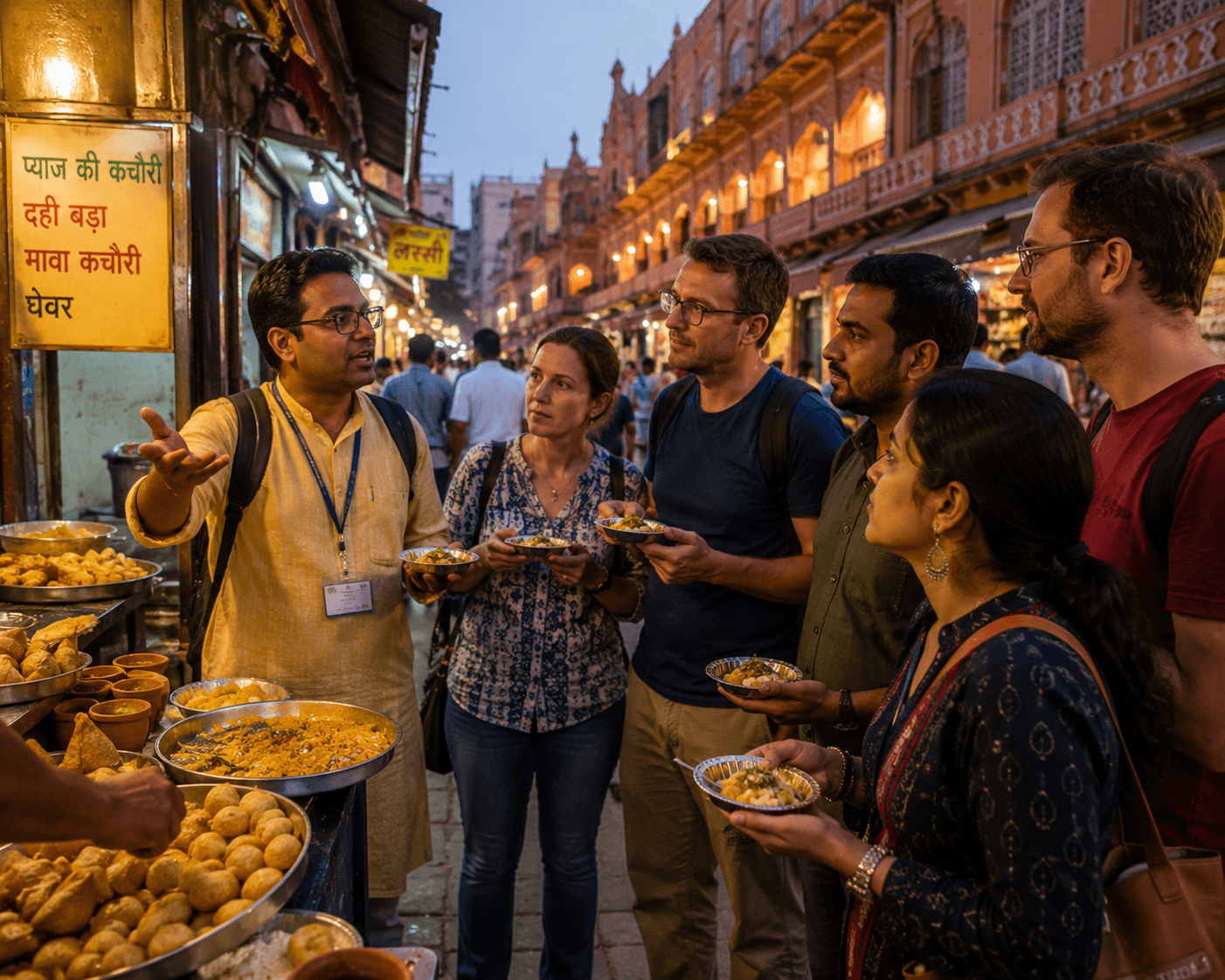
A guided food walk can introduce visitors to established sweet shops, market snacks and traditional breakfast dishes while providing context about Jaipur’s culinary history.
Official tourism itineraries feature local treats such as kachori and laddoo as part of a Jaipur sightseeing experience. Choose a reputable guide and prioritise outlets with visible hygiene practices.
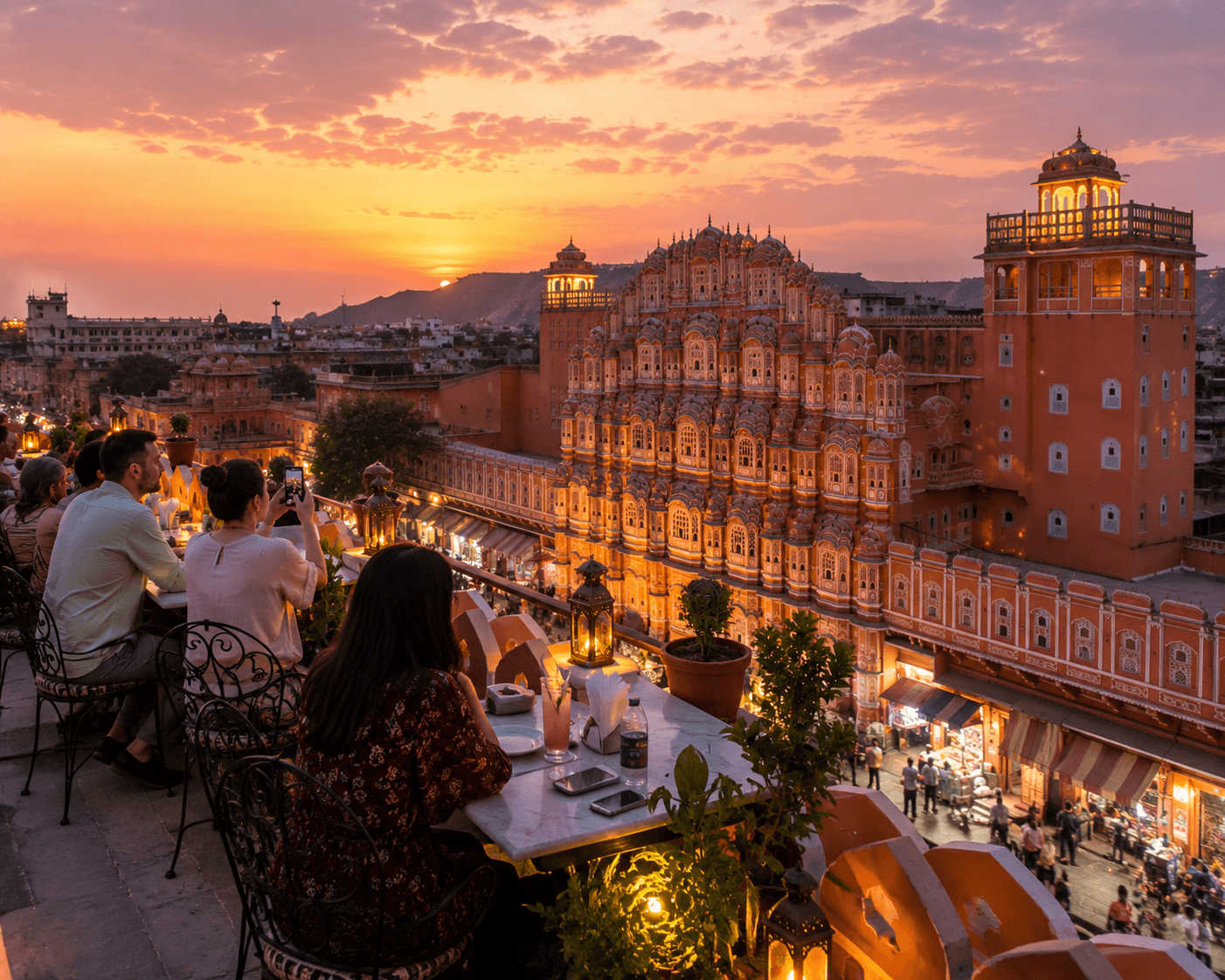
A rooftop restaurant or terrace offers a relaxed way to observe Jaipur’s skyline after a day of sightseeing. Depending on the location, visitors may see Nahargarh Fort, the old city, illuminated markets or surrounding hills.
This experience works particularly well around sunset or during a leisurely dinner.
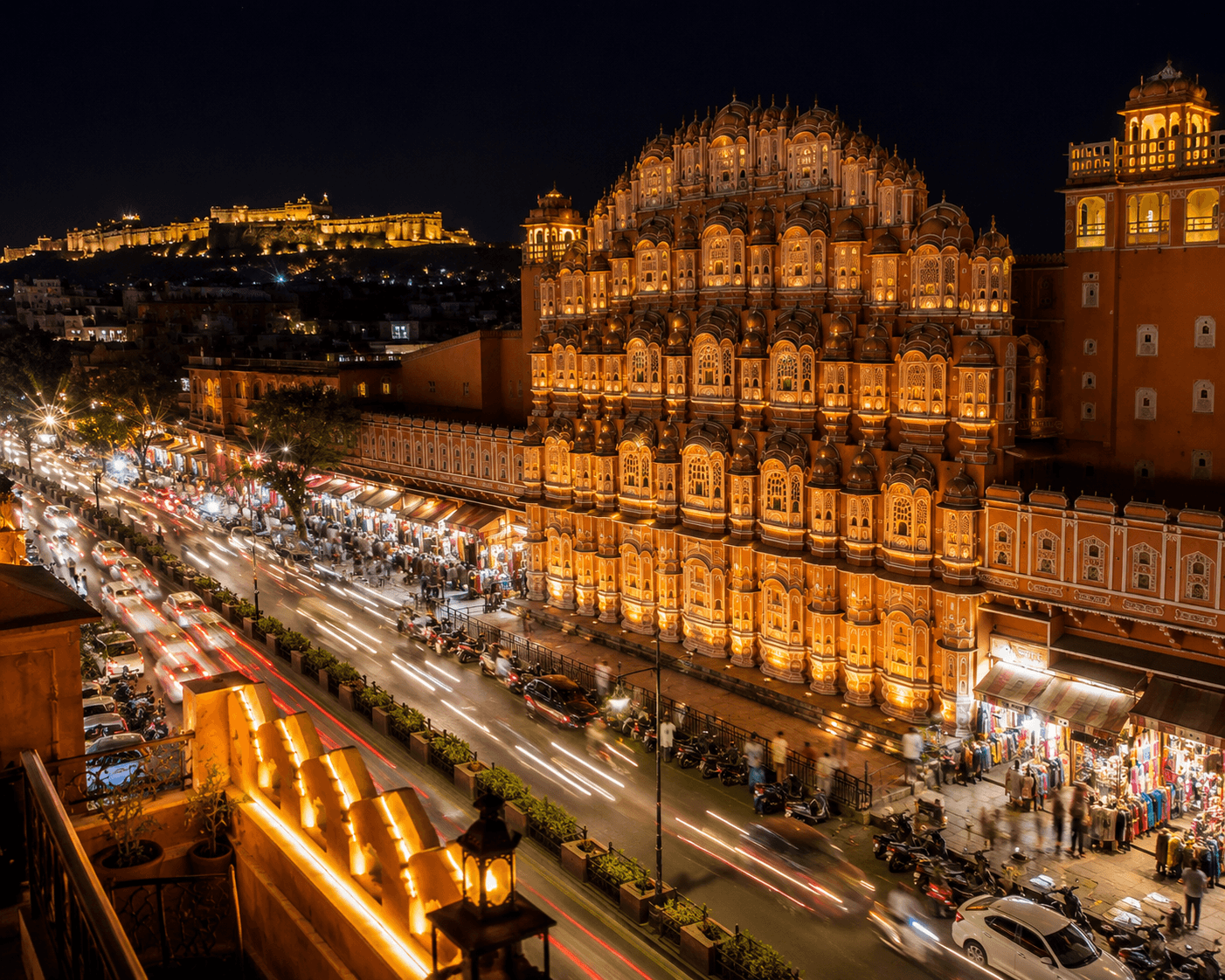
The best things to do in Jaipur at night include seeing illuminated heritage buildings, dining at a rooftop restaurant, exploring active market areas and attending a cultural performance.
Visitors should use reliable transport after dark and confirm monument timings in advance, as some attractions close before evening while others may offer separate night-viewing arrangements.
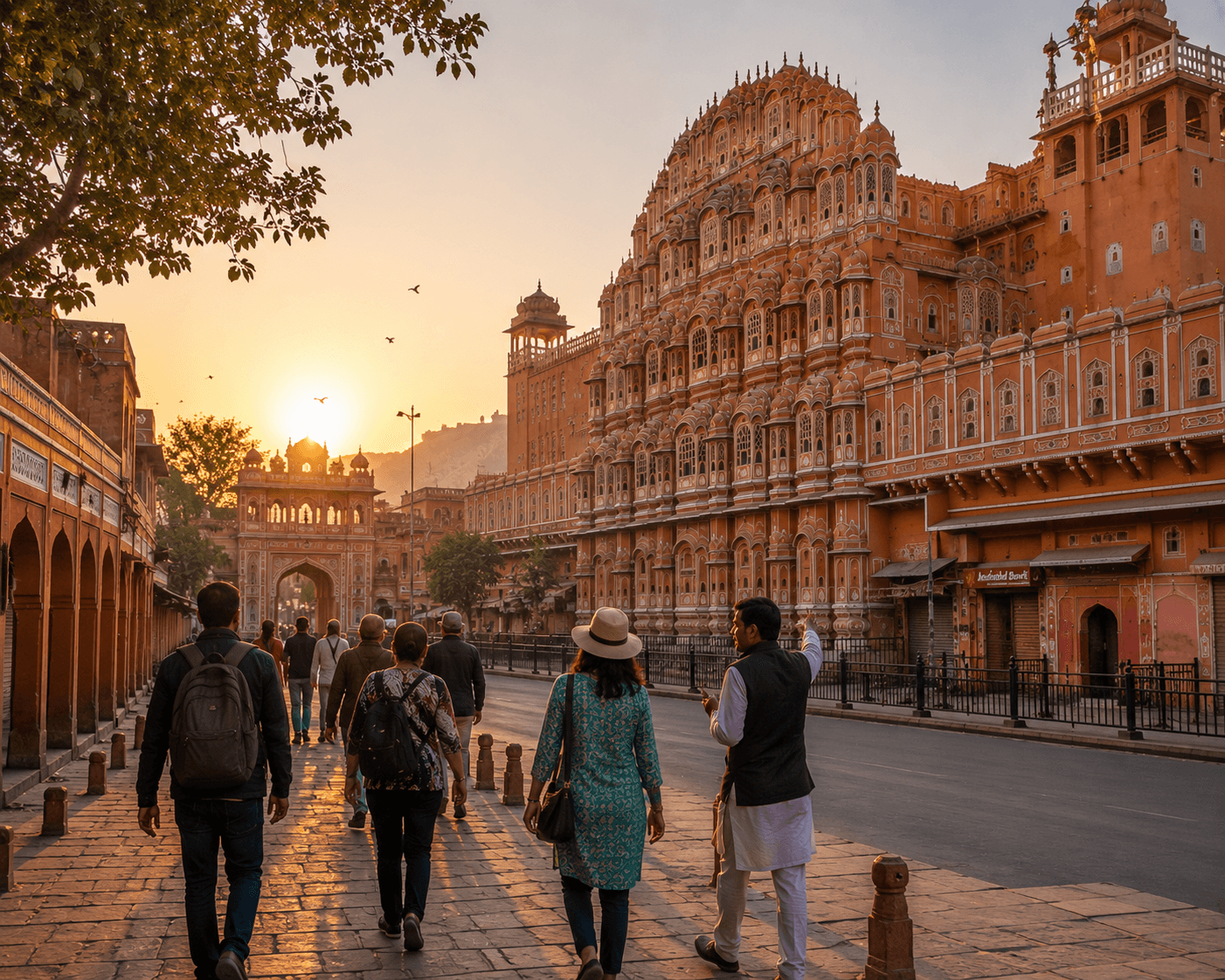
An early-morning walk through the old city offers cooler temperatures, lighter traffic and a closer look at temples, flower markets, neighbourhood shops and historic façades.
It is one of the best experiences for travellers interested in street photography, architecture and the daily rhythm of Jaipur beyond its major monuments.
A two-day Jaipur itinerary can cover the city’s most important landmarks when attractions are grouped geographically.
Begin at Amber Palace before visiting Panna Meena ka Kund and Jaigarh Fort. Stop at Jal Mahal while returning towards the city. Spend the late afternoon at Nahargarh Fort and conclude the day with a sunset view or dinner overlooking Jaipur.
Start with Hawa Mahal, followed by City Palace and Jantar Mantar. Walk through Johari Bazaar or Bapu Bazaar in the afternoon. Finish with Albert Hall Museum, a cultural show or a rooftop dining experience.
Travellers interested in craft workshops, temples and museums should consider adding a third day. Official tourism itineraries also present Jaipur as a practical two-day heritage destination covering palaces, bazaars and local food.
The cooler months are generally more comfortable for forts, markets and walking tours. During warmer periods, schedule outdoor monuments early in the morning, visit museums and indoor attractions in the afternoon and reserve evening hours for dining or cultural experiences.
Always confirm current ticket prices, entry rules, weekly closures and opening hours through official attraction websites or the hotel concierge before travelling.
From magnificent forts and royal palaces to colourful bazaars and authentic Rajasthani cuisine, Jaipur offers experiences worth returning to again and again. Complete your Pink City journey with a comfortable stay at a Sarovar hotel in Jaipur.
With multiple properties across the city, Sarovar Hotels offers convenient accommodation for family holidays, romantic getaways, business visits and short heritage breaks. Choose a hotel that suits your itinerary and enjoy comfortable rooms, warm hospitality, quality dining and easy access to Jaipur’s major attractions.
Need help choosing the right hotel or planning your reservation? Contact the Sarovar Hotels reservation team for room availability, current offers and booking assistance.
Call Central Reservations:
+91 98 8680 0049
Email: reservation@sarovarhotels.com
Book directly through the official Sarovar Hotels website for a secure reservation and access to available direct-booking offers.