
Loading…
Loading…
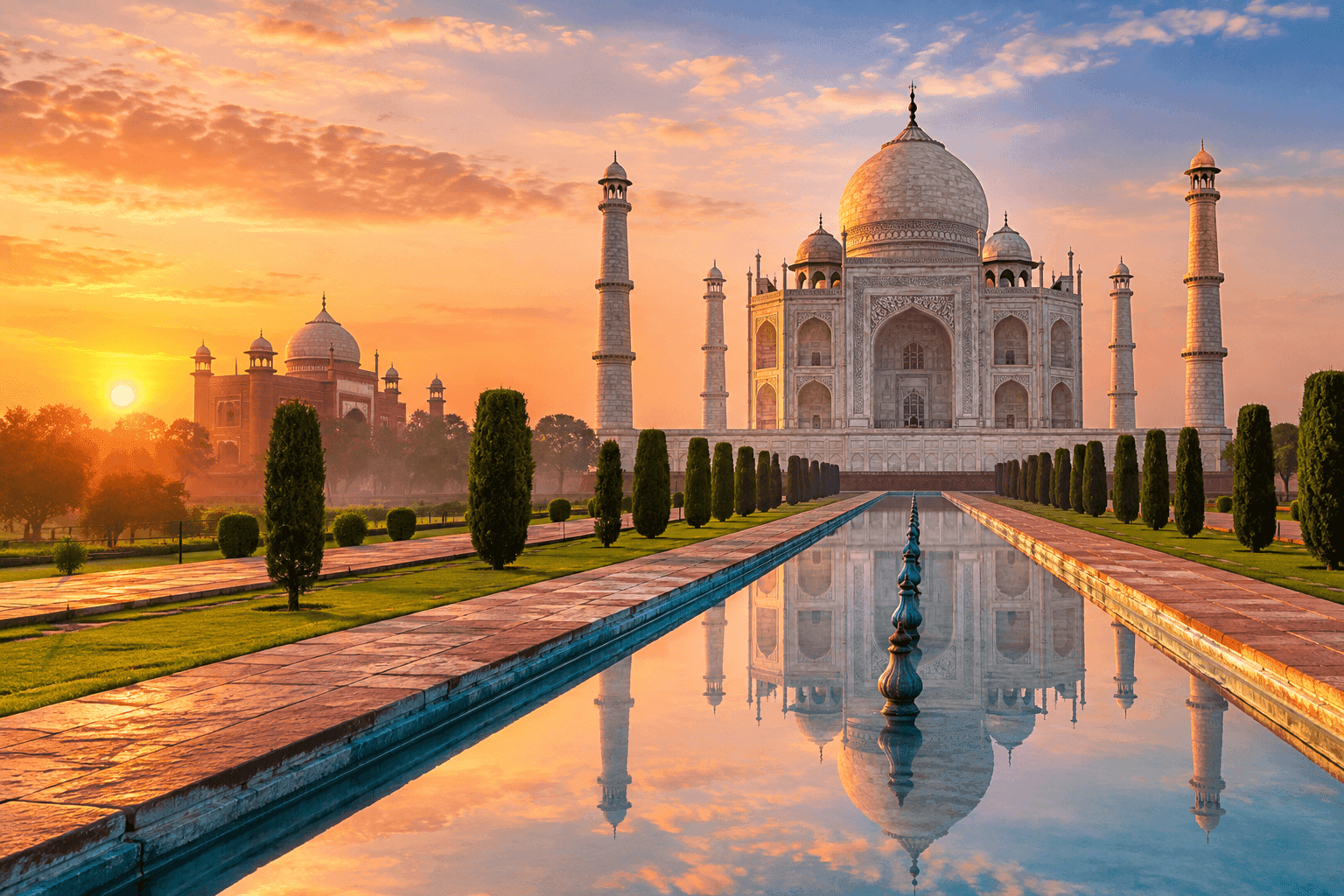
Discover the best time to visit Agra in December, with Taj Mahal sightseeing, Mughal monuments, local food, heritage walks, a 3-day itinerary and practical travel tips. Find a comfortable stay at Crystal Sarovar Premiere, Agra.
Winter brings a different charm to Agra, with cooler mornings, comfortable afternoons and a pleasant setting for exploring the city's historic landmarks. For travellers planning to discover the Taj Mahal and other Mughal-era attractions without the intense summer heat, December can be a good time to experience the city.
A trip to Agra can go beyond the Taj Mahal, with historic forts, gardens, traditional markets, local food and nearby heritage sites adding variety to the itinerary. This guide covers the best time to visit Agra, the top places to visit in December, heritage experiences, a suggested three-day itinerary, practical travel tips and where to stay.
December falls within Agra's cooler travel season, making it more comfortable to spend several hours exploring outdoor attractions. Mornings and evenings can be cold, while afternoons are generally more suitable for walking and sightseeing.
Winter can also bring morning fog, particularly towards the end of December and in early January. This may affect visibility and travel schedules, so check the weather forecast and transport updates before setting out.
Agra can have cool mornings and evenings in December, while afternoons are usually more comfortable for sightseeing. Temperatures vary from year to year, so check the forecast closer to your travel dates rather than relying on a fixed temperature range.
If you plan to visit the Taj Mahal early in the morning, carry a warm layer. Temperatures can feel considerably colder before sunrise, while a light jacket or sweater may be sufficient during warmer afternoons.
Agra is best known for the Taj Mahal, but the city has several other historic sites and cultural experiences worth adding to your itinerary.
The Taj Mahal is Agra's most famous landmark and one of India's best-known monuments. Built by Mughal emperor Shah Jahan in memory of Mumtaz Mahal, it is recognised for its white marble architecture, symmetrical gardens and intricate inlay work.
A December visit can be particularly pleasant because the cooler weather makes it easier to spend time exploring the complex. Morning fog can sometimes affect visibility, so check the forecast and consider planning your visit after the heaviest mist has cleared if clear views are important to you.
Take time to explore the main gateway, gardens and marble structure rather than treating the visit as a quick photography stop.
Agra Fort is another major Mughal landmark and can easily be combined with a visit to the Taj Mahal.
The red sandstone complex contains palaces, audience halls, courtyards and structures associated with the Mughal emperors. Highlights include Jahangiri Mahal, Khas Mahal, Diwan-i-Aam, Diwan-i-Khas and Musamman Burj.
Allow at least a couple of hours to explore the complex and appreciate its history and architecture.
Located across the Yamuna River from the Taj Mahal, Mehtab Bagh offers a different perspective of the monument.
The garden is popular around sunset, when visitors can enjoy views of the Taj Mahal from across the river. Winter evenings can be cold, so carry an extra layer if you plan to stay until sunset.
The Tomb of Itmad-ud-Daulah is often referred to as the Baby Taj. The marble monument was commissioned by Nur Jahan for her father, Mirza Ghiyas Beg, and is known for its delicate inlay work and marble screens.
Its smaller scale makes it a worthwhile addition to an itinerary alongside the Taj Mahal and Agra Fort.
Located around 40 km from Agra, Fatehpur Sikri makes a useful day excursion for travellers interested in Mughal history.
The historic complex includes Buland Darwaza, Jama Masjid, the Tomb of Sheikh Salim Chishti, Panch Mahal and several palace structures associated with Akbar's reign.
December's cooler weather can make walking around the expansive complex more comfortable. Allow several hours for the visit and additional time for travelling between Agra and Fatehpur Sikri.
Agra's history is not limited to its monuments. Exploring the city's older neighbourhoods, markets and food streets can give you a better sense of its everyday culture.
A walk through areas around Jama Masjid and the older markets can be a good way to experience Agra's local food culture. Some specialities to look out for include:
Bedai and Aloo Sabzi: A popular breakfast combination of crisp fried bread and spiced potato curry.
Jalebi: A sweet made from fried batter and soaked in sugar syrup, often enjoyed fresh and warm.
Agra Petha: A traditional sweet made from ash gourd and sugar syrup, available in several varieties.
Try local food at established shops and eateries, particularly if you are unfamiliar with the ingredients or preparation methods.
Agra has a long association with marble inlay work and other traditional crafts. Markets such as Kinari Bazaar and Sadar Bazaar offer opportunities to browse handicrafts, textiles, leather products, souvenirs and decorative items.
Marble inlay, associated with the decorative traditions seen at Mughal monuments, is one of the city's better-known crafts. If you are interested in purchasing a handcrafted product, compare workmanship and prices before buying.
Soor Sarovar Bird Sanctuary, around 20 km from Agra, is centred around Keetham Lake and can be considered for a nature-focused outing.
The wetland attracts different bird species, particularly during the cooler months. If you plan to visit, check current access arrangements and timings before travelling.
A three-day trip gives you enough time to explore Agra's main monuments while leaving room for food, shopping and a nearby excursion.
Morning: Arrive in Agra and check into your hotel.
Late morning: Visit Agra Fort and spend a couple of hours exploring its palaces, audience halls and courtyards.
Afternoon: Take a break for lunch before exploring Sadar Bazaar or another local market.
Evening: Enjoy a relaxed dinner and try local Mughlai or North Indian dishes.
Morning: Visit the Taj Mahal. If you prefer to avoid the coldest part of the morning, plan your visit after the heaviest fog has cleared, while allowing enough time before the monument becomes busier.
Afternoon: Return to your hotel or stop for lunch before visiting Itmad-ud-Daulah.
Evening: Head to Mehtab Bagh for views of the Taj Mahal around sunset.
Morning: Leave early for Fatehpur Sikri and spend several hours exploring the historic complex.
Afternoon: Return to Agra and explore local food or craft markets.
Evening: Depending on your departure time, visit another nearby attraction or enjoy a final dinner before leaving the city.
Season | Months | General conditions | Best suited for |
|---|---|---|---|
Winter | November–February | Cool mornings and comfortable afternoons | Heritage walks and sightseeing |
Summer | March–June | Hot and often uncomfortable during the day | Early-morning sightseeing |
Monsoon | July–October | Warmer, humid and occasionally rainy | Fewer crowds and greener surroundings |
Winter is generally the most comfortable period for exploring Agra's outdoor monuments, although morning fog can affect visibility and travel during parts of December and January.
A little preparation can make your winter trip more comfortable and easier to manage.
Dress in layers: Carry a sweater, jacket or shawl for cold mornings and evenings. You can remove layers as the afternoon becomes warmer.
Wear comfortable shoes: The major monuments involve considerable walking, so choose comfortable footwear with good grip.
Check the weather: Fog can affect visibility and travel times during winter. Check the forecast before planning early-morning sightseeing or onward journeys.
Plan monument visits carefully: Popular attractions can become busy, particularly during weekends and holidays. Check the latest opening hours, entry rules and ticket information before visiting.
Allow time for road travel: If you are visiting Fatehpur Sikri or Soor Sarovar, allow additional time for the journey. Traffic conditions can affect travel times.
Shop carefully: Agra's markets offer plenty of souvenirs and handicrafts. Compare prices and workmanship before making larger purchases, particularly for marble or other handcrafted products.
Agra is well connected to Delhi and other major cities by road and rail, making it relatively easy to include in a North India itinerary.
By air: Agra Airport has limited commercial air connections. Depending on your travel plans, Delhi's airport may offer a wider range of flight options, followed by onward travel to Agra.
By rail: Agra has several railway stations, including Agra Cantt and Agra Fort. Trains connect the city with Delhi and other major destinations.
By road: Agra is connected to Delhi, Jaipur and other cities by road. Travellers can use buses, taxis or private vehicles depending on their starting point.
During winter, check traffic, weather and transport updates before beginning your journey.
Food is an important part of exploring Agra, and winter is a good time to try some of the city's popular local dishes.
Bedai and Aloo Sabzi: A traditional breakfast option.
Jalebi: A warm, syrupy sweet often enjoyed with breakfast or as a snack.
Agra Petha: One of the city's best-known sweets.
Mughlai cuisine: Look for dishes such as kebabs, korma and biryani at established restaurants.
North Indian snacks: Chaat, samosas and other snacks are widely available across the city.
When choosing hotels in Agra, consider the property's location, access to major monuments, dining options and the facilities you need during your stay. Staying at a convenient location can help you organise sightseeing, meals and day trips without unnecessary travel.
Crystal Sarovar Premiere, Agra is an option for travellers looking for accommodation with convenient access to the Taj Mahal and other attractions around the city.
The hotel offers accommodation, dining and guest facilities for travellers visiting Agra. Before booking your December trip, check the latest room availability, rates, amenities and booking terms.
Explore Sarovar Hotels to discover accommodation options for your trip, and consider Crystal Sarovar Premiere, Agra when planning your stay.
Agra offers much more than a single visit to the Taj Mahal. Winter makes it easier to explore the city's Mughal heritage, spend time in historic markets and enjoy local food without the intense heat of summer.
Plan your monument visits around the weather, allow extra time for fog and traffic, and leave room in your itinerary for local experiences. With a comfortable place to stay and a well-paced schedule, December can be a rewarding time to explore Agra.
Make your Agra trip more comfortable by planning your stay with Sarovar Hotels. Explore Crystal Sarovar Premiere, Agra, check the latest room availability and choose accommodation that suits your itinerary.
For reservations and booking assistance:
Phone: +91 98 8680 0049
Website: Sarovar Hotels