
Loading…
Loading…
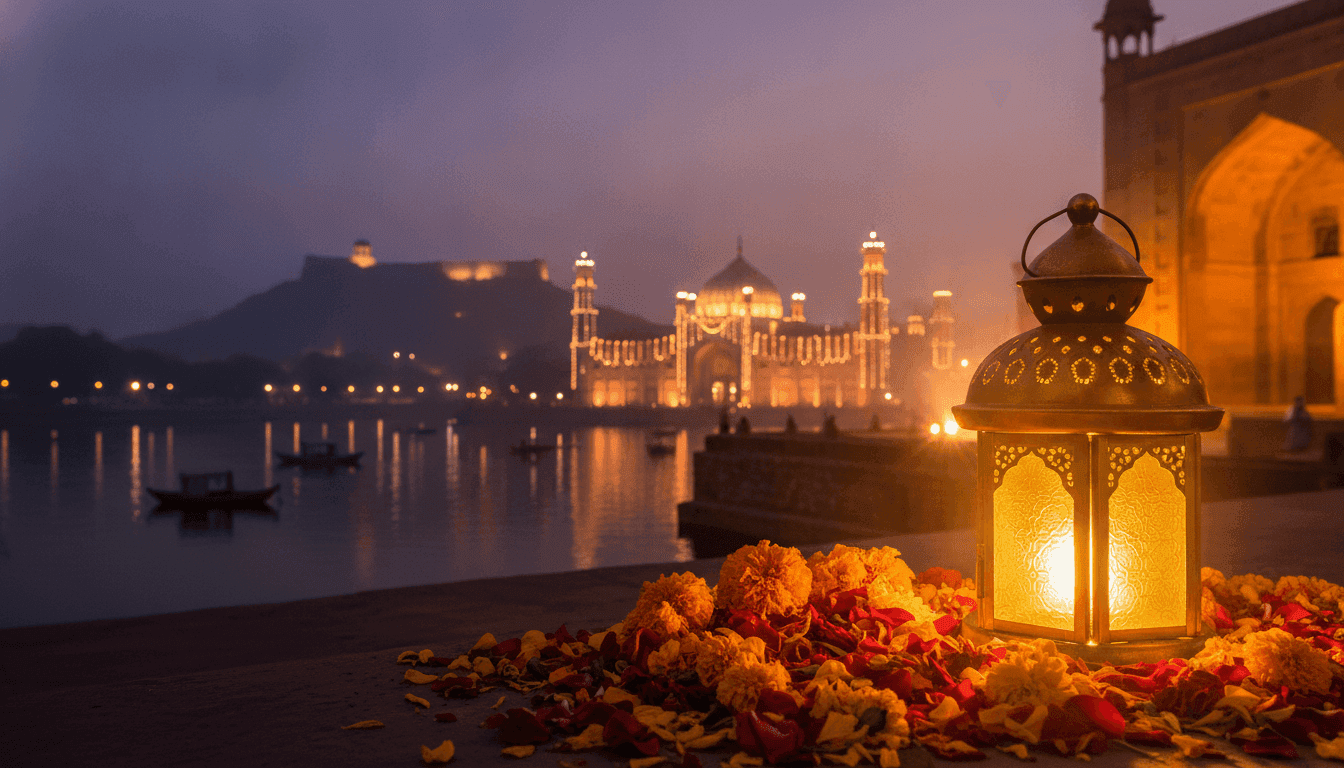
Explore Ajmer in October with Ajmer Sharif Dargah, Ana Sagar Lake, Adhai Din Ka Jhonpra, Taragarh Fort, local markets and food. Discover Pushkar, nearby attractions, practical tips and a 3-day itinerary for a memorable festive-season getaway.
October brings a welcome change to Ajmer as the intense summer heat begins to ease and the city moves into a more comfortable travel season. Surrounded by the Aravalli Hills, Ajmer is known for its spiritual landmarks, historic architecture, colourful markets and close proximity to Pushkar. Exploring the city's Ajmer tourist attractions in October allows you to enjoy sightseeing in more comfortable weather while experiencing the local atmosphere as the festive season begins.
From the revered Ajmer Sharif Dargah and historic Adhai Din Ka Jhonpra to the peaceful surroundings of Ana Sagar Lake, there is plenty to discover. The city's location also makes it convenient to add Pushkar and other nearby destinations to your itinerary.
If you are planning an October trip, this guide covers the best places to visit in Ajmer, things to do, nearby excursions, local food, shopping and where to stay.
October marks the beginning of Ajmer's more comfortable tourist season. Rajasthan Tourism lists October to February as the best period to visit Ajmer, when the weather is generally more pleasant for sightseeing.
The month can also bring a festive atmosphere to the city, with markets becoming livelier and preparations for festivals taking place across Rajasthan. Depending on the year, October may coincide with parts of Navratri, Dussehra or Diwali, so check the local festival calendar if you want to include a specific celebration in your trip.
October is also a useful time to combine Ajmer with a visit to Pushkar. The annual Pushkar Fair takes place between October and November, although the exact dates vary each year.
Ajmer brings together religious landmarks, historic monuments, lakes, markets and architectural attractions. Here are some of the key things to see in Ajmer during an October visit.
The Ajmer Sharif Dargah is one of Ajmer's most important landmarks and a major pilgrimage destination. The shrine houses the tomb of the Sufi saint Khwaja Moinuddin Chishti and welcomes visitors from different faiths.
The complex includes several historic gates, courtyards and Mughal-era structures. Visitors can also see the Shah Jahan Gate and other architectural features within the shrine complex.
If you plan to visit, dress respectfully and be prepared for crowds, particularly around important religious occasions. Check the latest visitor arrangements before travelling.
Ana Sagar Lake is a historic artificial lake surrounded by the Aravalli Hills. It was commissioned by Arnoraj Chauhan, also known as Anaji, between 1135 and 1150 AD. Later, Mughal rulers added features including Daulat Bagh and the marble Baradari pavilions.
The lake is a pleasant place to spend part of an afternoon, particularly if you want a break from visiting monuments. The surrounding area also offers opportunities to enjoy the scenery and take photographs.
Adhai Din Ka Jhonpra is one of Ajmer's most distinctive historic structures. Originally built as a Sanskrit college, the building was later converted into a mosque in the 12th century. Its architecture reflects a blend of Indo-Islamic influences, with detailed stonework, arches and carved pillars.
Its location near the Ajmer Sharif Dargah makes it easy to include both attractions in the same part of your itinerary.
Located on a hill overlooking Ajmer, Taragarh Fort is one of the city's significant historic landmarks. The fort was associated with Raja Ajaypal Chauhan and features imposing gateways, stone structures, water reservoirs and panoramic views.
An October morning or late afternoon can be more comfortable for exploring the hill area. Allow enough time for the journey and walking involved.
Located on the outskirts of Ajmer, Nareli Jain Temple is known for its contemporary Jain architecture and peaceful surroundings. Its distinctive stone structures and hillside setting make it an interesting addition to an Ajmer sightseeing itinerary.
A visit in the morning or later in the afternoon can allow you to explore the complex without the strongest midday sun. As with other religious sites, check visitor guidelines before you go.
History enthusiasts can visit the Ajmer Government Museum to learn more about the region's past. The museum houses archaeological artefacts, sculptures, inscriptions and armour. Rajasthan Tourism includes the museum among Ajmer's notable attractions.
The museum can be a useful stop during the hotter part of the day when you want to take a break from outdoor sightseeing.
Ajmer's location makes it easy to extend your trip beyond the city. If you have an extra day, consider adding one of these destinations to your itinerary.
Pushkar is one of the most popular places to visit near Ajmer and is around 14–17 km away, depending on the route and starting point.
The town is centred around Pushkar Lake and is home to the famous Brahma Temple. You can spend a day walking around the lake, visiting temples, exploring the colourful bazaars and trying local food.
If your October visit overlaps with the annual Pushkar Fair, check the official dates and travel arrangements in advance because the town can become significantly busier during the event.
Kishangarh is another nearby destination that can be considered for a short excursion. The town is known for its historic fort and distinctive marble industry.
The Kishangarh Dumping Yard has also become known for its unusual white landscape created by marble waste. If you plan to visit, check current access rules before travelling, as entry arrangements may change.
Use this quick guide to plan your sightseeing:
Attraction | Key Highlight | Suggested Time | Ideal Time to Visit |
|---|---|---|---|
Ajmer Sharif Dargah | Sufi heritage and historic architecture | 1.5–2 hours | Morning or evening |
Ana Sagar Lake | Lake views and marble Baradari | 1–2 hours | Late afternoon |
Adhai Din Ka Jhonpra | Indo-Islamic architecture | 45–60 minutes | Morning or late afternoon |
Taragarh Fort | Historic fort and city views | Around 2 hours | Morning or late afternoon |
Nareli Jain Temple | Jain architecture and peaceful surroundings | 1–1.5 hours | Morning or afternoon |
Ajmer Government Museum | Archaeological artefacts and history | Around 1 hour | Midday |
A three-day trip gives you enough time to explore the major sights in Ajmer while also leaving room for a Pushkar excursion.
Start your morning with a visit to Ajmer Sharif Dargah. Spend time exploring the shrine and its surrounding area before continuing to Adhai Din Ka Jhonpra.
After lunch, take a break from the busy old city and head towards Ana Sagar Lake. Spend the late afternoon around the lake and visit the historic Baradari before returning to your hotel.
Begin the day with a visit to Taragarh Fort. Allow enough time to explore the historic structures and enjoy the views of Ajmer.
Later, visit the Ajmer Government Museum to explore its collection of historical artefacts. In the evening, head to the local markets for shopping and street food.
Keep your third day for Pushkar. Visit Pushkar Lake and the Brahma Temple before exploring the town's markets and cafés.
If your trip coincides with the Pushkar Fair, plan your travel well in advance and check official event information before setting out.
Ajmer's markets offer a mix of religious items, traditional textiles, handicrafts, jewellery and local food products.
Located around the Ajmer Sharif Dargah, Dargah Bazaar is known for religious items, attar, embroidered textiles, sweets and souvenirs.
Naya Bazaar is a useful stop for traditional Rajasthani products, fabrics, handicrafts and footwear. It is also a good place to browse local shops while exploring the city centre.
Madar Gate and the surrounding market area offer clothing, jewellery, spices and other everyday goods. Bargaining may be possible at some local shops, so compare prices before buying.
A trip to Ajmer is also an opportunity to explore the city's mix of Rajasthani, Mughlai and street-food influences.
Sohan Halwa is one of the sweets associated with Ajmer and is widely available around the old city and Dargah area. You can also look for kachori, samosas and other popular North Indian snacks.
The city's Mughlai influence means you can also find dishes such as biryani, kebabs and other meat-based preparations. Vegetarian travellers will find plenty of Rajasthani and North Indian options as well.
If you visit Pushkar, look out for local sweets, snacks and café-style food around the lake and market areas.
A little planning can make your October trip more comfortable:
Dress appropriately for religious sites: Wear modest clothing when visiting the Dargah, temples and other places of worship. Check the individual site's current visitor guidelines before entering.
Carry comfortable footwear: You may need to remove your shoes at religious sites, so easy-to-remove footwear can be useful.
Plan outdoor sightseeing around the weather: October can still feel warm during the afternoon, so consider visiting outdoor attractions in the morning or later in the day.
Carry water and sun protection: A water bottle, sunglasses, sunscreen and a light layer can be useful for daytime sightseeing.
Allow extra time during festivals: Popular religious occasions and the Pushkar Fair can bring larger crowds and increased demand for transport and accommodation.
Check timings before visiting: Opening hours, entry arrangements and visitor rules can change, so confirm details before travelling.
When planning accommodation, exploring hotels in Ajmer can help you choose a convenient location based on your sightseeing plans, access to Pushkar and preferred travel arrangements.
For travellers looking for a convenient stay, Sarovar Portico, Ajmer is located opposite Agra Gate on Prithvi Raj Road, near Mittal Mall. The hotel has 88 rooms and suites, an all-day dining restaurant and banqueting facilities. It is around 0.8 km from Ajmer Junction Railway Station, 1.6 km from the Ajmer Sharif Dargah and 14 km from Pushkar.
Its central location can be useful for travellers exploring Ajmer's major attractions, visiting the city's markets or planning a day trip to Pushkar. The hotel also offers facilities including high-speed Wi-Fi, parking, concierge services and in-room dining.
Ajmer in October offers a combination of spiritual landmarks, historic architecture, local markets, traditional food and easy access to nearby destinations. From visiting the Ajmer Sharif Dargah and exploring Adhai Din Ka Jhonpra to spending a relaxed afternoon at Ana Sagar Lake and taking a day trip to Pushkar, there is plenty to include in a short Rajasthan holiday.
The October weather also makes it a practical time to explore the city, while the festive calendar can add another layer to the experience depending on your travel dates. Plan your sightseeing around the weather, check local schedules before visiting major attractions and book your accommodation in advance if you are travelling during a busy festive period.
Whether you are visiting Ajmer for a spiritual journey, a heritage getaway or a festive-season break, Sarovar Hotels offers a convenient stay option in the city through Sarovar Portico, Ajmer.
Located close to Ajmer Junction and within easy reach of Ajmer Sharif Dargah and Pushkar, the hotel can provide a comfortable base for exploring the city's attractions and planning nearby excursions.
📞 Call: +91 145 350 8000 , +91 92 5703 8814
📧 Email: mspa@sarovarhotels.com
Plan your Ajmer getaway with Sarovar Hotels and make your October trip comfortable, convenient and memorable.