
Loading…
Loading…
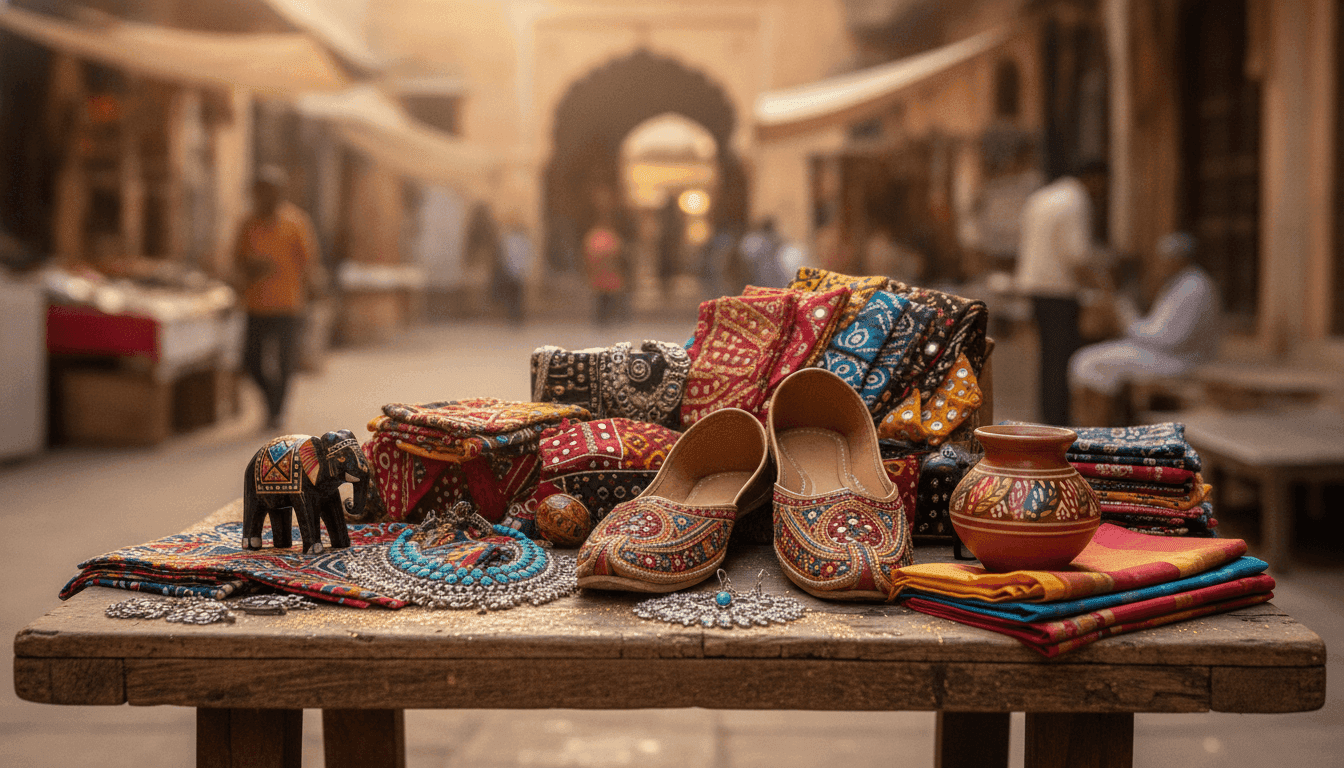
Discover the best markets in Jaipur for souvenirs and local crafts, from Johari Bazaar jewellery and traditional textiles to handicrafts, footwear and colourful gifts, with practical shopping tips and hotel stay guidance.
Jaipur is a city where shopping is closely connected with its history, craftsmanship and everyday culture. From colourful textiles and traditional jewellery to handmade décor and leather goods, the city's markets offer plenty of opportunities to take home something that feels distinctly Rajasthani.
If you are planning a shopping-focused trip, knowing which Jaipur market is best for a particular product can save time. Jewellery lovers may prefer the historic Johari Bazaar area, while visitors looking for textiles, footwear, handicrafts or affordable souvenirs can explore other markets across the Pink City.
Shopping in Jaipur is also about the experience itself. Walking through the older market areas gives you a chance to see traditional storefronts, colourful fabrics, artisans' products and the lively atmosphere that makes the city's bazaars so distinctive.
Jaipur has a strong reputation for traditional crafts and textiles. Rajasthan Tourism highlights products such as Sanganeri and Bagru printed fabrics, quilts, lac bangles, leather footwear, jewellery and handicrafts among the items visitors commonly look for in the city.
The appeal of shopping here is that you can find everything from everyday clothing and small souvenirs to specialised jewellery and decorative pieces. Different markets have developed their own character, so exploring more than one area can give you a broader picture of Jaipur's shopping culture.
Jaipur Johari Bazar is one of the city's most recognisable shopping areas and is particularly associated with jewellery. The market is a good place to browse traditional designs, gemstones, gold and silver jewellery and colourful pieces inspired by Rajasthani styles.
The experience is not limited to jewellery. As you walk through the surrounding lanes, you can also find fabrics, traditional clothing and other products connected with Jaipur's craft culture. If jewellery is high on your shopping list, give yourself enough time to compare designs and prices rather than making a purchase at the first shop you visit.
Rajasthan Tourism also identifies Johari Bazaar among Jaipur's major shopping destinations and notes the city's association with precious and semi-precious stones, jewellery and traditional textiles.
Bapu Bazaar is a popular option for travellers who want to browse a broad selection of Jaipur souvenirs without focusing on one particular product category. Its busy atmosphere and range of shops make it suitable for casual shopping and last-minute purchases.
You can look for traditional footwear, fabrics, bags, clothing, small decorative items and gifts. It is also a useful place to compare different versions of similar products, particularly if you are shopping for souvenirs for several people.
If you enjoy lively market streets rather than specialised boutiques, Bapu Bazaar can be a good addition to your Jaipur shopping itinerary.
Tripolia Bazaar offers a different shopping experience, with traditional products and everyday goods sold through a busy network of shops. The market is particularly interesting for travellers who want to see a less polished and more everyday side of Jaipur's historic shopping streets.
You can explore metal and brass items, traditional accessories, textiles and other locally made products. The surrounding architecture and historic streets also make the area worth exploring even if shopping is not your only objective.
Tripolia Bazaar is included in Rajasthan Tourism's heritage-walk information around Jaipur's old city, which describes the market's traditional shops and its location between Choti Chaupar and Badi Chaupar.
If your main goal is to find small gifts to take home, Bapu Bazaar is worth considering. The variety allows you to look at different price points and styles without limiting yourself to a single category.
Textiles, accessories, traditional footwear and decorative items can all work as souvenirs because they are practical as well as representative of Rajasthan's visual culture. When buying textiles or handmade products, examine the stitching, printing and material carefully so you understand what you are purchasing.
The best souvenir is not necessarily the most expensive one. Something small and locally inspired can often carry more meaning than a generic tourist product.
Nehru Bazaar is another established shopping area in Jaipur. It can be useful for travellers looking for textiles, clothing, footwear and colourful everyday products.
The market is particularly appealing if you want to browse several types of merchandise during one shopping stop. Its lively atmosphere also makes it a good place to experience Jaipur's traditional market culture rather than simply visiting a modern shopping centre.
Rajasthan Tourism lists Nehru Bazaar among Jaipur's prominent shopping destinations alongside Johari Bazaar, Bapu Bazaar and MI Road.
The shopping streets around Hawa Mahal provide another opportunity to combine sightseeing with shopping. The area has shops selling products such as blue pottery, puppets, textiles, terracotta pieces, metal and wood crafts and traditional footwear.
This makes the area particularly useful if you are already visiting Hawa Mahal and want to shop without travelling to another part of the city.
The surrounding architecture also adds to the experience. Instead of treating shopping as a separate activity, you can include these market lanes as part of your old-city sightseeing route.
The phrase Jaipur city market can refer broadly to the collection of traditional shopping areas across the city's old and central districts rather than one single market.
The major markets offer different shopping experiences. Johari Bazaar is strongly associated with jewellery, while Bapu Bazaar and Nehru Bazaar provide broader choices in clothing, textiles, footwear and souvenirs. Tripolia Bazaar offers traditional craft and household products, while the lanes around Hawa Mahal are useful for smaller handicrafts and tourist-friendly gifts.
Exploring two or three markets during your trip is often more practical than trying to visit every shopping area in one day.
Jaipur is well known for printed and traditional textiles. If you are searching for a cloth market in Jaipur, look for products featuring block printing, tie-and-dye techniques and other regional textile styles.
Sanganeri and Bagru printing are particularly associated with Rajasthan's textile traditions. Fabrics can be purchased as sarees, dress materials, dupattas, shirts, home textiles and other products, giving you plenty of options depending on how you plan to use them.
When shopping for fabric, check the material, printing quality and finishing before buying. If you are purchasing something described as handmade or traditionally printed, ask the seller about the technique and fabric so you know exactly what you are taking home.
Travellers interested in a handicraft market in Jaipur will find plenty of options across the old city. Jaipur's craft traditions include pottery, woodwork, metal products, textiles, jewellery, leather goods and decorative objects.
Blue pottery is one of the city's better-known craft traditions and can make an attractive souvenir. Smaller pieces are generally easier to transport than large decorative objects, especially if you are travelling by air.
Handmade products can naturally show slight differences in shape, finish or colour. Rather than treating every variation as a defect, consider it part of the character of a handcrafted item.
Jaipur does not have one single permanent market that can accurately be described as the city's definitive "night market." Instead, shopping activity in different areas can continue into the evening, with opening hours varying by market and individual shop.
For travellers searching for a Jaipur night market, the best approach is to check the current timings of the specific market or shopping area you want to visit. Evening shopping can be enjoyable because the cooler atmosphere makes walking through busy market streets more comfortable than during the afternoon.
If you plan to shop after dinner, confirm closing times before heading out because individual stores may follow different schedules.
Shopping in Jaipur is more enjoyable when you take your time. Instead of buying the first item that catches your attention, explore a few shops and compare quality, design and pricing.
Bargaining may be part of the experience in some traditional markets, but it should remain respectful. If the seller is offering a genuinely handmade product, extremely aggressive negotiation may not be appropriate.
For higher-value jewellery, gemstones or expensive handicrafts, ask for proper documentation or certification where relevant. Do not assume that every item described as traditional, precious or handmade has the same quality or authenticity.
The cooler months are generally comfortable for spending time outdoors in Jaipur, particularly if you plan to walk through several markets in one day. Rajasthan Tourism also notes that many Jaipur markets are generally closed on Sundays, so travellers should check the latest timings before planning a dedicated shopping day.
Morning and late afternoon can be more comfortable than the hottest part of the day. Evening shopping can also be enjoyable, particularly around the illuminated old-city areas.
If shopping is a major part of your itinerary, try to group nearby markets together rather than crossing the city repeatedly.
Your choice of accommodation can make a noticeable difference when you are planning several shopping stops. Staying in a convenient area can reduce travel time and allow you to return to your hotel between shopping and sightseeing.
When comparing the best hotels in Jaipur, consider both comfort and location. If your itinerary includes the old city, Johari Bazaar, Bapu Bazaar and other traditional markets, look at how easily you can reach those areas from your hotel.
A comfortable base is particularly useful if you plan to return with shopping bags and continue exploring the city later in the day.
For travellers looking for accommodation in Jaipur, Sarovar Hotels has several properties across the city, including Sarovar Premiere, Jaipur; Sarovar Portico, Jaipur; V Sarovar Portico, MI Road; Nirwana Hometel, Jaipur and other properties in its Jaipur portfolio.
The location you choose should depend on the areas you plan to explore. If your itinerary combines shopping with sightseeing, a centrally positioned property can make it easier to move between different parts of Jaipur without spending too much of your day in transit.
You can compare the available Sarovar properties based on location, room options and your overall travel plans before selecting where to stay.
Start your shopping day in the old city, where you can combine sightseeing with market exploration. Johari Bazaar is a natural choice if jewellery is on your list, while the nearby market streets provide opportunities to browse other traditional products.
Continue towards Bapu Bazaar or Nehru Bazaar depending on what you want to buy. If textiles and clothing are your priority, spend more time comparing fabrics and printing styles rather than trying to cover too many markets.
Keep the later part of the day flexible. You can return to your hotel with your purchases, take a break and then head out again in the evening for a relaxed walk through Jaipur's illuminated streets.
When purchasing handicrafts, ask questions about the material and production technique. A seller who can clearly explain how an item was made can give you a better understanding of what you are buying.
For textiles, look closely at the print, stitching and fabric composition. For jewellery and gemstones, be particularly careful with high-value purchases and request appropriate documentation when necessary.
Packaging is also important when purchasing fragile pottery, glass, decorative objects or other breakable crafts. Ask the seller to pack the item securely if you will be travelling with it.
Jaipur's markets offer much more than souvenirs. They provide an opportunity to experience the city's craft traditions through jewellery, textiles, footwear, pottery, decorative objects and handmade products.
From Jaipur Johari Bazar and Bapu Bazaar to Tripolia Bazaar, Nehru Bazaar and the shopping streets around Hawa Mahal, each area has a different character. You do not need to visit every market to experience Jaipur's shopping culture; choosing a few based on what you want to buy can make the experience more enjoyable.
If you are planning a shopping-focused Jaipur holiday, choose your accommodation carefully, leave enough time for browsing and remember that the best purchases often come from slowing down and discovering something you genuinely like.
A comfortable hotel can make your shopping holiday easier by giving you a convenient base between market visits and sightseeing. Explore Sarovar Hotels in Jaipur and choose accommodation that fits your location, comfort and travel requirements.
For reservations and stay-related enquiries:
📞 Call: +91 98 8680 0049
📧 Email: reservation@sarovarhotels.com
Plan your Jaipur stay and make your next shopping trip a memorable experience.