
Loading…
Loading…
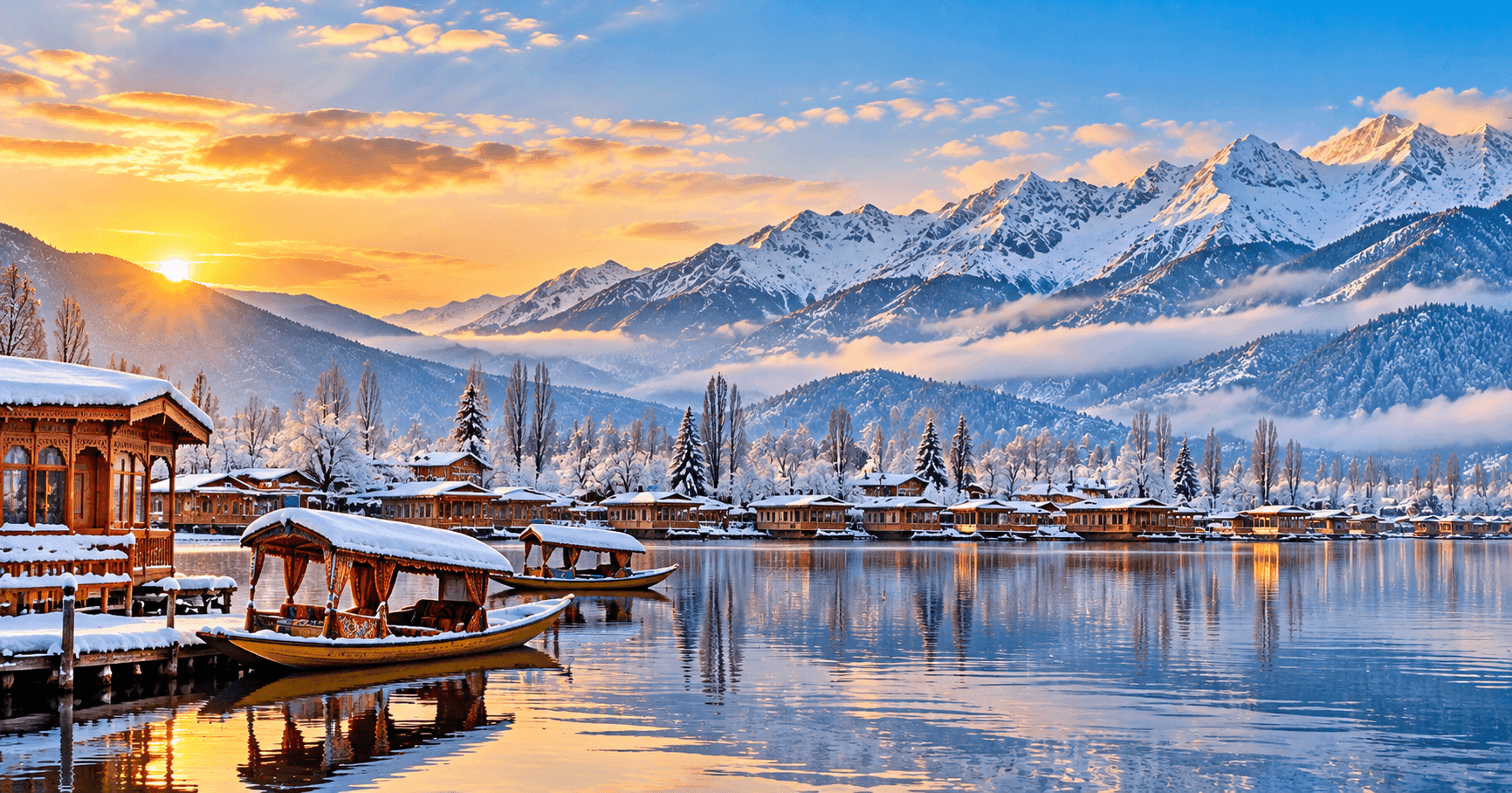
Discover the best snow experiences for a winter vacation in Srinagar, from Dal Lake and Mughal Gardens to Gulmarg excursions, Kashmiri cuisine, local markets and comfortable stays with Sarovar Hotels.
Winter transforms Srinagar into a picturesque destination with snow-dusted mountains, tranquil lakes and traditional Kashmiri architecture. As temperatures drop, the city offers a different kind of charm, inviting travellers to discover its cultural heritage, regional cuisine and scenic surroundings. From the shores of Dal Lake to the historic Mughal Gardens, there are plenty of ways to experience winter in Srinagar and plan a memorable holiday in Kashmir.
Whether you are travelling with family, planning a romantic getaway or exploring the valley with friends, this guide covers the best time to visit, popular attractions, winter activities, packing essentials and accommodation options. With thoughtful planning and a comfortable stay, you can make the most of your Srinagar winter trip. Sarovar Hotels offers accommodation options to consider when planning your visit.
Best Time for Snowfall: Late December to February offers opportunities to experience snowfall in Srinagar, although actual conditions vary each year.
Top Winter Attractions: Explore Dal Lake, Nigeen Lake, the Mughal Gardens, Shankaracharya Temple and Srinagar's historic Old City.
Winter Experiences: Enjoy a Shikara ride, sample Kashmiri specialities such as Harissa and Kahwa, and plan excursions to nearby destinations such as Gulmarg and Pahalgam.
Pack for the Cold: Carry thermal layers, a warm waterproof jacket, insulated footwear and gloves for winter sightseeing.
Plan Your Stay: Compare hotels in Srinagar based on heating facilities, location, dining options and access to the attractions on your itinerary.
Understanding Kashmir's winter weather can help you plan a trip around your preferred experiences. Winter in Srinagar generally extends from late November to March, with the coldest period typically falling between late December and January. However, snowfall depends on changing weather systems, so there is no guarantee of snow on specific dates.
Kashmiri tradition divides the cold season into three periods, each associated with changing temperatures and weather conditions.
Chilla-i-Kalan (21 December to 31 January): This 40-day period is traditionally considered the harshest phase of winter. Temperatures frequently fall below freezing, especially at night, and snowfall may occur when weather conditions are favourable.
Chilla-i-Khurd (1 February to 20 February): This 20-day period marks a gradual transition towards milder conditions, although cold weather and snowfall can still occur.
Chilla-i-Bacha (21 February to 2 March): This final 10-day period traditionally marks the gradual easing of winter, although cold spells and snowfall remain possible.
These periods provide a cultural reference for understanding winter in Kashmir, but they should not be treated as precise weather forecasts. Check the latest forecast before finalising your travel dates.
Srinagar's lakes, gardens, temples and historic neighbourhoods offer different experiences during the colder months. Here are some of the best places to visit in Srinagar when planning a winter getaway.
Dal Lake is one of Srinagar's most recognisable landmarks and an important part of the city's identity. Its houseboats, floating gardens and traditional Shikaras create a distinctive setting throughout the year.
During winter, the surrounding mountains may be covered in snow, creating beautiful views across the lake. Although parts of Dal Lake can freeze during particularly cold spells, this does not happen regularly across the entire water body.
Nigeen Lake offers a quieter alternative for travellers looking for a more relaxed atmosphere. Its setting near the Zabarwan hills makes it another scenic stop on a winter itinerary.
Travel tip: Ask your Shikara operator about weather conditions, ride duration and available warm coverings before setting out.
Srinagar's Mughal Gardens offer a glimpse into Kashmir's royal garden heritage. Their terraces, fountains, stone channels and Chinar trees create a distinctive landscape, even outside the flowering season.
Nishat Bagh: Located beside Dal Lake, this terraced garden offers views of the water and surrounding mountains.
Shalimar Bagh: Built by Mughal Emperor Jahangir, this garden is known for its terraces, pavilions and historical layout.
Chashme Shahi: This smaller hillside garden is associated with a natural spring and offers views of the surrounding valley.
Snowfall can give these gardens a different appearance, but snow cover and the condition of the grounds vary. Check opening hours and access arrangements before visiting.
Located on Shankaracharya Hill, this historic temple is dedicated to Lord Shiva and overlooks Srinagar. Its elevated location provides views of the city, Dal Lake and the surrounding landscape on clear days.
Visitors generally need to climb a series of steps to reach the temple, so wear comfortable footwear and allow enough time for the visit. Winter weather can make steps slippery, and access may be affected by local conditions.
Check current visitor guidelines before travelling, particularly during periods of snow or ice.
A visit to Srinagar's Old City offers an opportunity to explore Kashmir's traditional architecture, religious heritage and local markets.
Jamia Masjid in Nowhatta is known for its spacious courtyard, wooden pillars and distinctive Kashmiri architectural style. Khanqah-e-Moula, situated near the Jhelum River, is another important religious landmark recognised for its timber construction and decorative details.
The surrounding streets offer a glimpse of everyday life in Srinagar, with shops selling traditional clothing, handicrafts, spices and local products.
Dress respectfully when visiting religious sites and follow local rules regarding footwear, photography and entry.
A winter trip to Srinagar is about more than looking for snow. The city's food, waterways, crafts and cultural traditions offer plenty to experience even when snowfall is limited.
A Shikara ride is one of the classic experiences in Srinagar. These traditional wooden boats take visitors across Dal Lake, past houseboats, floating gardens and lakeside settlements.
During winter, operators may provide blankets or protective coverings, depending on the weather. Ask about the arrangements before booking, as facilities vary.
Dress warmly and choose a suitable time of day based on the forecast. Avoid setting out during unsafe weather or when local authorities advise against boating.
Winter is a good opportunity to explore Kashmiri food, which includes warming drinks, slow-cooked dishes and regional specialities.
Harissa: A traditional winter dish prepared with meat, rice and spices through a slow-cooking process. It is commonly enjoyed as a hearty breakfast with local bread.
Kahwa: A Kashmiri green tea traditionally prepared with ingredients such as saffron, cinnamon, cardamom and almonds.
Rogan Josh: A well-known Kashmiri preparation made with meat and aromatic spices.
Rista: Meatballs cooked in a rich, spiced gravy and traditionally served as part of Wazwan.
Nadru Yakhni: A lotus-stem preparation cooked in a yoghurt-based gravy.
Traditional recipes and ingredients can vary between households and restaurants. If you have dietary requirements, ask about ingredients before ordering.
Srinagar's markets are ideal for shopping for souvenirs and learning more about the region's craft traditions.
You can look for:
Pashmina shawls: Fine woollen shawls known for their soft texture. Check the product's authenticity and ask for appropriate documentation where relevant.
Kashmiri papier-mâché: Decorative objects, boxes and ornaments featuring traditional painted designs.
Walnut wood crafts: Carved wooden products, including smaller decorative pieces.
Dry fruits and saffron: Locally sold food products that can make practical gifts.
Compare quality and prices across different shops, particularly when buying higher-value items.
Gulmarg is one of the most popular destinations near Srinagar for travellers seeking snow and winter activities. It is known for mountain scenery, skiing opportunities and the Gulmarg Gondola, a cable-car system that takes visitors towards higher elevations.
Depending on snow conditions and operating arrangements, visitors may be able to try skiing, snowboarding or other snow activities with suitable local operators.
The Gondola operates in phases, and access to higher areas depends on weather, visibility and operational decisions. Check the official ticketing system and current conditions before travelling. Do not assume that both phases or every snow activity will be available during your visit.
Pahalgam is known for its mountain landscape, the Lidder River and surrounding valleys. It can be included in a longer Srinagar itinerary for travellers who want to explore beyond the city.
Nearby areas such as Aru Valley and Betaab Valley are popular for their natural scenery. However, road access and outdoor activities may be restricted during heavy snowfall or icy conditions.
Check local road updates before travelling and allow extra time for the journey. If conditions are poor, consider spending the day exploring Srinagar instead.
Sonamarg is known for its dramatic mountain scenery and routes towards higher-altitude landscapes. Winter access can be affected by snow, road closures and local safety restrictions.
If you are considering a visit, confirm whether the road is open and whether travel is permitted on your chosen date. Do not rely on an old itinerary or assume that every attraction will be accessible during winter.
Temperatures in Srinagar can fall below freezing during winter, particularly at night. Packing in layers helps you adjust to changing conditions as you move between heated indoor spaces and outdoor attractions.
Category | Recommended Items | Why They Are Useful |
|---|---|---|
Base layers | Thermal tops and bottoms | Help retain body heat in cold weather |
Middle layers | Fleece jackets and warm sweaters | Provide adjustable insulation |
Outerwear | Warm, windproof and waterproof jacket | Helps protect against cold winds, rain and snow |
Footwear | Waterproof boots with good grip | Help keep feet dry on wet or snowy surfaces |
Accessories | Gloves, woollen socks, beanie and scarf | Help protect exposed areas from the cold |
Personal care | Moisturiser, lip balm and sunscreen | Help protect skin from dry air and sun exposure |
Travel essentials | Necessary medicines, power bank and identification | Help you prepare for delays and changing conditions |
For longer outdoor excursions, carry extra socks and keep electronic devices and batteries protected from extreme cold. If you are travelling with children or older adults, plan regular indoor breaks.
Winter travel requires flexibility because snowfall, fog and road conditions can affect sightseeing and transport. This five-day itinerary gives you a starting point, but adjust it according to the latest local advice.
Arrive at Srinagar International Airport and travel to your accommodation.
Check in, settle in and allow time to rest after your journey.
If conditions are suitable, take a short walk nearby or enjoy a relaxed visit to the lakeside.
End the day with a warm meal and traditional Kashmiri Kahwa.
Begin with a visit to the Mughal Gardens, checking opening hours and access before leaving.
Visit Shankaracharya Temple if access and weather conditions permit.
Spend the afternoon exploring the area around Dal Lake.
Enjoy a Shikara ride if operators are running services safely.
Leave early for Gulmarg, allowing extra time for winter road conditions.
Check the current status of the Gondola and any pre-booked activities.
Explore accessible areas or take part in snow activities with a suitable operator, depending on conditions.
Return to Srinagar if the road remains open and travel is safe.
Choose one option depending on weather and road conditions.
Option A — Pahalgam: Travel to Pahalgam if the route is open and conditions are suitable. Explore accessible viewpoints and the town's surroundings before returning according to your transport plan.
Option B — Old City: If mountain travel is not advisable, explore Jamia Masjid, Khanqah-e-Moula and the surrounding markets, following current visitor guidance.
Use the morning to buy Kashmiri handicrafts, dry fruits or other local products.
Check out and travel to Srinagar Airport with additional time for winter traffic and security procedures.
Monitor your flight status before leaving for the airport.
This itinerary is a guide rather than a fixed schedule. If heavy snowfall affects roads or flights, prioritise safety and follow instructions from local authorities and your accommodation team.
Choosing the right hotel in Srinagar can make a winter holiday more comfortable, particularly when temperatures drop and weather conditions affect travel plans. Consider the hotel's location, heating arrangements, dining facilities and access to the attractions on your itinerary.
Sarovar Hotels offers accommodation options in Srinagar to consider when planning your stay. The properties are located in different parts of the city, allowing travellers to compare locations based on their sightseeing plans, airport transfers and preferred surroundings.
Golden Tulip, Srinagar: Formerly known as RK Sarovar Portico, this property is located on Gupkar Road in Sonwar, near Srinagar's main lakefront area. It is an option to consider if you want to explore Dal Lake and other attractions around the city.
Sarovar Portico, Srinagar: Located on New Airport Road in Humhama, approximately 1.5 km from Sheikh Ul Alam International Airport. Its location may be convenient for travellers arriving by air or planning an itinerary that includes airport transfers.
Sarovar Premiere, Srinagar: Located at City Mall on Maulana Azad Road, opposite the Catholic Church. Its city location may be useful for travellers who want to explore Srinagar's markets, cultural attractions and nearby landmarks.
Before booking, confirm the property's current name, location, room facilities, heating arrangements, dining options and availability directly with the hotel. Compare these details with your itinerary to select a stay that suits your winter travel plans.
A little preparation can help you manage the challenges of winter travel in Kashmir.
Check Flight Updates: Fog, snowfall and other weather conditions can affect flight schedules. Check your airline's latest updates before leaving for the airport.
Confirm Road Conditions: Ask local authorities or your transport provider about road access before travelling to Gulmarg, Pahalgam or Sonamarg.
Use Suitable Vehicles: For snow-covered routes, follow local transport advice and use vehicles equipped for the prevailing road conditions.
Book Activities Through Reliable Operators: Confirm the terms, safety arrangements and weather restrictions for skiing, cable-car rides and other activities.
Avoid Unsafe Waterways: Do not walk onto frozen sections of Dal Lake or other water bodies unless local authorities explicitly confirm that access is safe.
Keep Essentials Accessible: Carry identification, necessary medicines, warm clothing and a charged phone during excursions.
Allow Extra Time: Winter weather can affect transport, so avoid tightly scheduled connections and keep backup plans.
A winter holiday in Srinagar offers a combination of mountain scenery, Kashmiri culture, historic landmarks and regional cuisine. From exploring Dal Lake and the Mughal Gardens to sampling Harissa and Kahwa or planning a snow excursion to Gulmarg, there are plenty of ways to experience the valley during the colder months.
Snowfall cannot be guaranteed on specific dates, so plan around the wider winter experience rather than relying on fresh snow alone. Check forecasts, transport updates and attraction schedules before travelling, pack for freezing conditions and keep your itinerary flexible.
When choosing accommodation, compare hotels in Srinagar based on heating facilities, location and access to your planned activities. Explore the available options from Sarovar Hotels and contact the hotel directly to confirm facilities, room availability and reservations before your trip.
Plan Your Winter Stay in Srinagar with Sarovar Hotels
For reservations and assistance with your stay, contact the Sarovar Hotels team at +91 98 8680 0049 or email Bookings@sarovarhotels.com. Confirm current room availability, rates and facilities before booking, and let the team help you plan a comfortable stay for your winter getaway.
Visit the official website for property-specific contact details and booking information.