
Loading…
Loading…
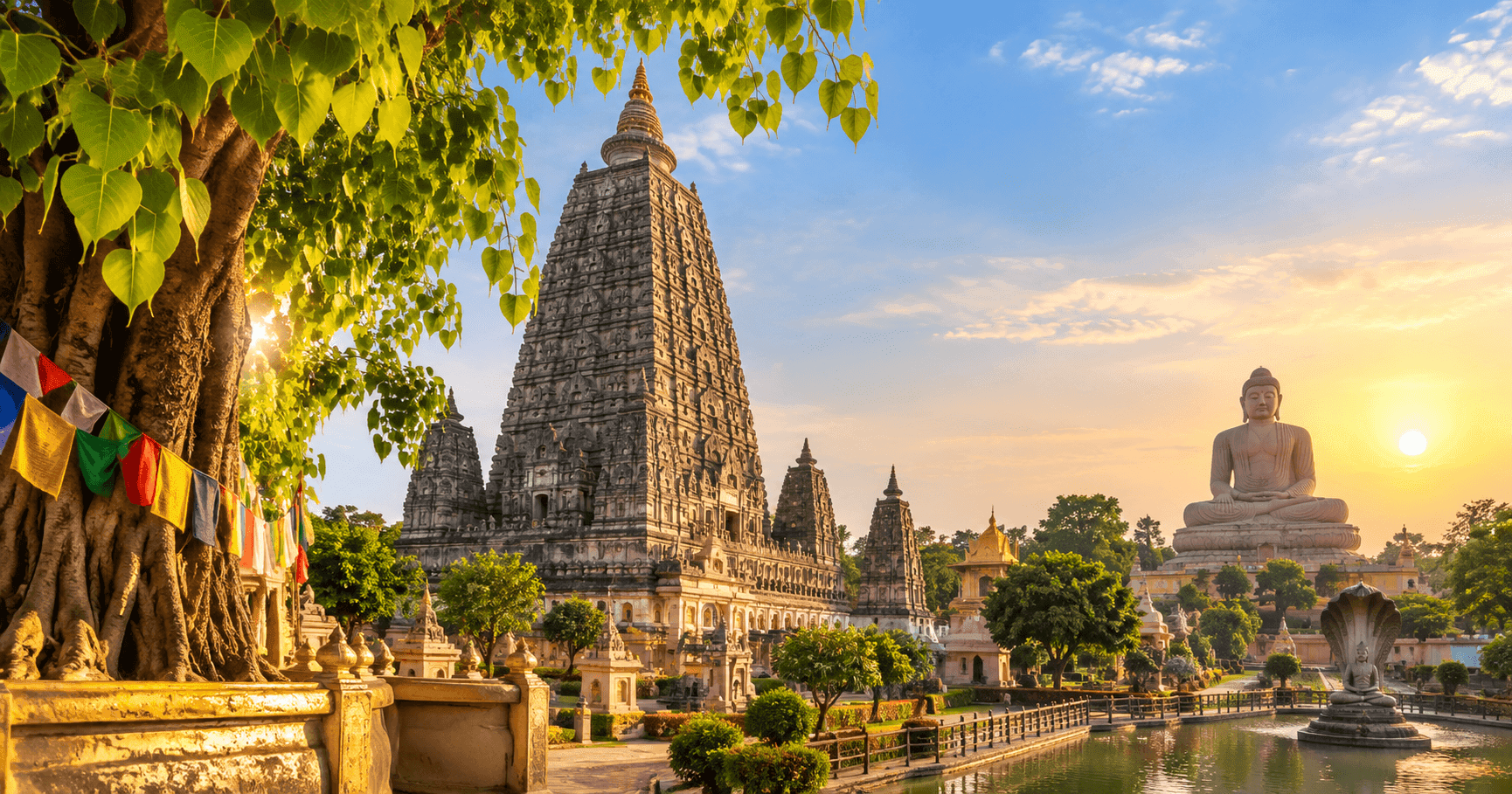
Explore Bodh Gaya in October with the Mahabodhi Temple, sacred Bodhi Tree, international monasteries, Buddhist heritage and nearby sites. Discover things to do, travel tips and a practical 3-day itinerary.
October can be a comfortable time to explore Bodh Gaya, as the monsoon season begins to recede and the weather generally becomes more suitable for sightseeing. For travellers interested in Buddhism, history and cultural heritage, Bodh Gaya tourism offers an opportunity to explore sacred sites, international monasteries and landmarks associated with the life of the Buddha.
Bodh Gaya is one of the most important Buddhist pilgrimage destinations in the world and is traditionally associated with the Buddha's enlightenment beneath the Bodhi Tree. An October visit allows travellers to explore the Mahabodhi Temple Complex, monasteries representing different Buddhist traditions and nearby sites connected with the Buddha's life and teachings.
October marks the transition from the monsoon season towards the cooler months in Bihar. The weather can still be warm during the afternoon, but mornings and evenings are generally more comfortable for walking and outdoor sightseeing than during the hotter months.
The surrounding landscape may also remain relatively green after the monsoon. For travellers planning bodh gaya sightseeing, this makes it possible to combine visits to temples and monasteries with outdoor exploration.
October can also see an increase in visitors and pilgrims as the cooler travel season begins. However, visitor numbers, religious programmes and monastery activities can vary from year to year. If you are travelling for a particular ceremony, teaching or meditation programme, check the relevant monastery or temple's schedule in advance.
Bodh Gaya is home to several important Buddhist landmarks and historical sites. These places to visit in Bodhgaya can help you understand the area's religious significance and its connection with the life of the Buddha.
The Mahabodhi Temple Complex is the spiritual centre of Bodh Gaya and a UNESCO World Heritage Site. The present temple complex reflects several periods of construction and restoration, with the main temple featuring its distinctive brick tower and detailed architectural elements.
Inside the temple is an image of the Buddha associated with the moment of enlightenment. The complex also includes several locations traditionally connected with the seven weeks the Buddha spent in and around the area following his awakening.
Allow enough time to explore the complex at a quiet pace, particularly if you want to sit in meditation or observe pilgrims from different Buddhist traditions.
The Bodhi Tree stands within the Mahabodhi Temple Complex and is traditionally regarded as a descendant of the tree under which Siddhartha Gautama attained enlightenment.
The Vajrasana, or Diamond Throne, is located near the tree and marks the traditional site associated with the Buddha's enlightenment. Pilgrims regularly gather here for meditation, prayer and chanting.
The area can become busy, so an early visit may offer a quieter experience. Follow the site's instructions regarding photography, movement and other visitor practices.
The Great Buddha Statue is one of Bodh Gaya's prominent landmarks. The approximately 25-metre-high statue depicts the Buddha seated in meditation on a lotus pedestal.
The statue is surrounded by landscaped grounds and smaller figures representing important Buddhist disciples. It is located close to several monasteries and can be included in a broader monastery and temple circuit.
Mucalinda Lake is associated with a traditional Buddhist account of the Buddha's sixth week after enlightenment. According to the story, the serpent king Mucalinda protected the meditating Buddha from a storm by sheltering him beneath his hood.
A statue depicting this scene stands in the lake today. The surrounding area offers a quieter stop between visits to the larger temple complex and other attractions.
The Dungeshwari Cave Temples, also known as the Mahakala Caves, are located outside central Bodh Gaya. The caves are traditionally associated with the period when Siddhartha practised severe asceticism before following the Middle Way.
The site includes small shrines and images associated with the Buddha's ascetic period. Reaching the caves involves travelling outside the main town area, so allow additional time for transport.
Across the Phalgu River in the village of Bakraur, Sujata Stupa is associated with the story of Sujata, who is traditionally believed to have offered milk-rice to Siddhartha when he was practising extreme asceticism.
The story is significant because it is connected with Siddhartha's move away from extreme self-denial and towards the Middle Way. Visiting Sujata Stupa and the surrounding area adds another perspective to the story behind the Buddha's enlightenment.
One of the distinctive features of Bodhgaya sightseeing is the presence of monasteries and temples representing different Buddhist traditions from around the world.
Their architecture, artwork and religious practices reflect the countries and traditions they represent.
Monastery | Tradition/Country | What to See |
|---|---|---|
Wat Thai Bodh Gaya | Thailand | Thai Buddhist architecture, decorative details and a large Buddha image |
Indosan Nippon Japanese Temple | Japan | Japanese-inspired architecture and Buddhist artwork |
Royal Bhutan Monastery | Bhutan | Traditional Bhutanese decorative elements and Buddhist imagery |
Tergar Monastery | Tibetan Buddhist tradition | Tibetan Buddhist artwork, prayer spaces and monastic architecture |
Vietnamese Temple | Vietnam | Vietnamese Buddhist architectural and artistic influences |
Wat Thai Bodh Gaya is known for its distinctive Thai architectural style and is one of the international Buddhist monasteries in the town. Its design features traditional Thai elements, while the temple grounds provide a peaceful setting for visitors.
The Indosan Nippon Japanese Temple reflects Japanese Buddhist architectural influences. Its interiors include paintings depicting events from the Buddha's life, making it a useful stop for visitors interested in both religious art and architecture.
The Royal Bhutan Monastery showcases Bhutanese Buddhist artistic traditions. Visitors can see decorative elements and Buddhist imagery characteristic of Bhutanese religious architecture.
Several monasteries in Bodh Gaya represent Tibetan Buddhist traditions. Tergar Monastery is associated with Buddhist study and meditation, while other Tibetan monasteries in the area provide opportunities to observe different aspects of Tibetan Buddhist practice.
Monastery access, prayer sessions and visitor arrangements can vary, so check the relevant monastery's current guidelines before visiting.
Beyond visiting monuments, there are several meaningful things to do in bodh gaya during an October trip.
The area around the Mahabodhi Temple and Bodhi Tree attracts pilgrims and visitors who come to meditate, pray and reflect. You can spend some quiet time here while respecting designated areas and the practices of other visitors.
If you are interested in a formal meditation session or Buddhist teaching, check local monastery schedules for visitor programmes.
Chanting and prayer are an important part of the atmosphere around Bodh Gaya's monasteries and sacred sites. Visitors may encounter groups of pilgrims and monks engaged in prayer or religious practice.
Rather than assuming fixed timings, check the day's programme at the temple or monastery you plan to visit.
The streets around the main temple area have shops selling souvenirs and religious items such as prayer beads, Buddhist images, handicrafts and prayer flags.
If you plan to purchase traditional crafts, compare products and prices across different shops and ask about the materials used.
The Archaeological Museum in Bodh Gaya contains sculptures and other archaeological material connected with the region's Buddhist heritage.
A museum visit can add historical context to the monuments you see around the town, particularly if you are interested in the development of Buddhist art and architecture.
A little preparation can make bodhgaya sightseeing more comfortable and respectful, particularly because many attractions are active religious sites.
By Air: Gaya Airport is the closest airport to Bodh Gaya. Patna's Jay Prakash Narayan International Airport is another option for travellers arriving by air, although it requires a longer onward journey.
By Train: Gaya Junction is the nearest major railway station and is connected with several cities in India. From the station, travellers can continue to Bodh Gaya by taxi, auto-rickshaw or other local transport.
By Road: Bodh Gaya is connected by road with Gaya, Patna and other destinations in Bihar. Taxis, buses and local transport options are available, although journey times can vary with traffic and road conditions.
When planning your accommodation, searching for hotels in Bodhgaya can help you compare locations and choose a stay that fits your sightseeing plans, especially if you want convenient access to temples, monasteries and nearby attractions.
Bodh Gaya's temples and monasteries are active places of worship. Keep these points in mind:
Dress Modestly: Wear clothing that covers the shoulders and knees, particularly when visiting religious sites.
Remove Footwear Where Required: Follow instructions at temple and monastery entrances regarding footwear.
Maintain Silence: Keep your voice low around meditation areas and prayer spaces.
Follow Photography Rules: Some areas may restrict photography or require permission. Follow the instructions displayed at each site.
Respect Religious Practices: Avoid interrupting prayers, meditation sessions or ceremonies while taking photographs or moving around the site.
Light, breathable clothing can be useful for daytime sightseeing, while a light layer may be helpful during cooler mornings and evenings. Comfortable footwear is also recommended because visiting several temples and heritage sites may involve considerable walking.
Carry water and sun protection for outdoor sightseeing, particularly if you plan to spend several hours exploring the town.
A three-day itinerary allows you to combine the main sacred sites with international monasteries and nearby places associated with the Buddha's life.
Morning: Begin with the Mahabodhi Temple Complex and spend time around the Bodhi Tree and Vajrasana.
Late Morning: Explore other locations within the temple complex associated with the Buddha's seven-week period following enlightenment.
Afternoon: Visit Mucalinda Lake and the Great Buddha Statue.
Evening: Return to the Mahabodhi Temple area for quiet reflection, meditation or to observe evening religious activities, subject to the day's schedule.
Morning: Explore Wat Thai Bodh Gaya, the Indosan Nippon Japanese Temple and the Royal Bhutan Monastery.
Afternoon: Visit Tergar Monastery or another monastery that is open to visitors, followed by the Archaeological Museum.
Evening: Explore the local markets around the temple area and browse for handicrafts and Buddhist-inspired souvenirs.
Morning: Travel to the Dungeshwari Cave Temples and explore the site associated with Siddhartha's period of ascetic practice.
Afternoon: Continue to Sujata Stupa and Sujata Kuti in Bakraur before returning to Bodh Gaya.
Evening: Use your final evening for meditation, a relaxed monastery visit or another walk around the Mahabodhi Temple area.
Choosing a convenient hotel in Bodh Gaya can make it easier to explore the Mahabodhi Temple, monasteries and nearby heritage sites without spending too much time travelling between attractions.
Marasa Sarovar Premiere Hotel, Bodhgaya is an accommodation option to consider when planning a stay in Bodh Gaya. Its Sarovar affiliation makes it relevant for travellers looking for a branded hotel while exploring the city's Buddhist heritage and nearby attractions.
When choosing your stay, consider the hotel's location, room facilities, dining options and accessibility to the places on your itinerary. This can be particularly useful if you plan to visit the Mahabodhi Temple Complex, international monasteries and nearby sites such as Dungeshwari and Sujata Stupa.
If you are travelling during a busy pilgrimage period, booking your accommodation in advance can give you more choice of dates and room options.
Bodh Gaya brings together Buddhist spirituality, archaeological heritage and international cultural traditions. From the Mahabodhi Temple Complex and sacred Bodhi Tree to the Great Buddha Statue, international monasteries and sites such as Dungeshwari and Sujata Stupa, the town offers several ways to understand the history and traditions associated with Buddhism.
October can be a comfortable time for bodh gaya tourism, although afternoons may still be warm. Plan outdoor visits around the cooler parts of the day, check opening arrangements and religious schedules in advance, and allow time to experience the sites without rushing.
For travellers planning a longer stay, choosing a convenient hotel in Bodh Gaya can make it easier to combine temple visits, monastery tours and nearby excursions in one itinerary.
Sarovar Hotels offers a convenient accommodation option for travellers looking to combine their Bodh Gaya sightseeing with a comfortable and well-planned stay.
Make your Bodh Gaya in October journey comfortable and memorable with a stay close to the city's Buddhist heritage, sacred sites and monasteries. Plan your stay at Marasa Sarovar Premiere, Bodhgaya, and enjoy convenient access to key attractions along with comfortable rooms, dining and wellness facilities.
📞 Call: +91 98 8680 0049
📧 Email: reservation@sarovarhotels.com
Plan your spiritual getaway with Sarovar Hotels and make your October trip to Bodh Gaya a comfortable experience.