
Loading…
Loading…
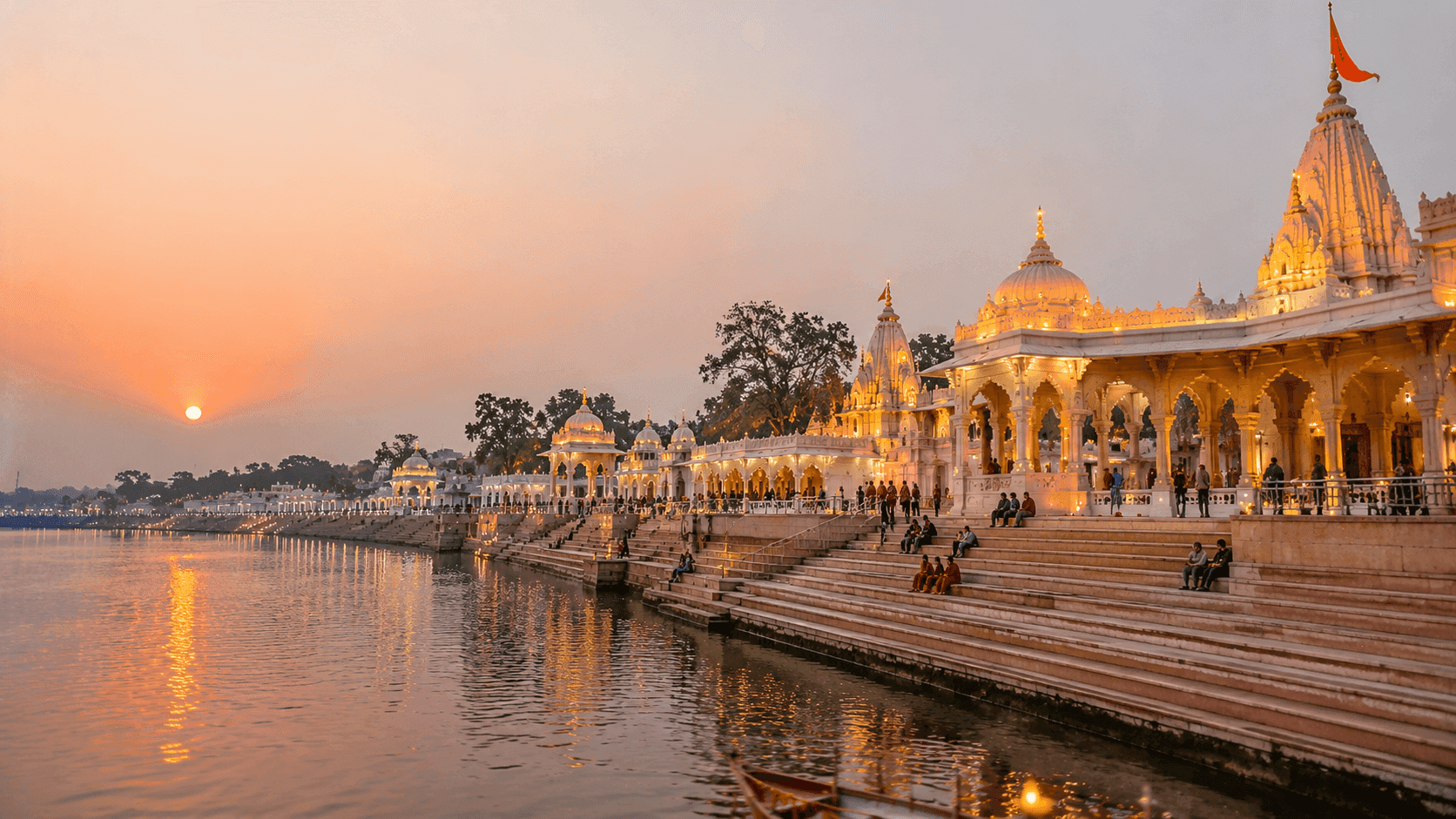
Plan a spiritual holiday in December in Ayodhya and explore sacred temples, historic landmarks and the serene Saryu Ghats. Discover the best places to visit, things to do, December weather and travel tips for a memorable getaway with Sarovar Hotels.
The sound of temple bells, the glow of evening lamps along the River Saryu and the peaceful winter atmosphere make Ayodhya a memorable destination to visit in December. Revered as the birthplace of Lord Rama, this historic city draws pilgrims and travellers with its sacred temples, rich cultural heritage and spiritual charm. From seeking blessings at the Shri Ram Janmabhoomi Mandir to witnessing the evening aarti at Saryu Ghat, every corner offers a glimpse into the city's deep-rooted traditions.
December is a pleasant time to explore Ayodhya, with cooler weather creating comfortable conditions for temple visits and sightseeing. Whether you are planning a family pilgrimage, a temple tour or a year-end cultural getaway, this guide covers the best places to visit in Ayodhya, things to do, important temples, December weather and travel tips to help you plan a fulfilling holiday.
December is a comfortable time to explore Ayodhya, with cool winter weather and pleasant daytime conditions.
Shri Ram Janmabhoomi Mandir, Hanuman Garhi and Kanak Bhawan are among the city's most significant spiritual attractions.
Saryu Ghat is a must-visit for its riverside atmosphere and evening aarti.
Ayodhya offers more than temple visits, with heritage sites, local food and cultural experiences to discover.
A stay at a comfortable hotel in Ayodhya can make temple visits and sightseeing more convenient.
Ayodhya holds a special place in India's spiritual and cultural landscape. Associated with the life of Lord Rama, the city attracts devotees throughout the year, while its historic temples, traditional markets and riverfront add to its appeal as a travel destination.
December brings a welcome change in the weather, making it easier to spend time outdoors and explore the city's attractions. The cooler mornings are suitable for temple visits, while the evenings offer a lovely setting for walks along the Saryu River. The festive atmosphere, devotional music and illuminated ghats make the city particularly memorable during the year-end season.
For travellers seeking a meaningful holiday, Ayodhya brings together spirituality, history, architecture and local culture in one destination.
Ayodhya tourist places range from revered temples and historic landmarks to peaceful riverfront locations. These attractions offer a glimpse into the city's religious significance and rich heritage.
The Shri Ram Janmabhoomi Mandir is among the most important spiritual landmarks in Ayodhya. Dedicated to Lord Rama, the temple is a major destination for devotees from across India and beyond. Its impressive architecture, detailed carvings, and devotional atmosphere make it an essential stop on an Ayodhya temple tour.
Visitors should check the latest darshan timings, entry arrangements, and security guidelines before their visit. It is also advisable to allow sufficient time for queues and security checks.
Hanuman Garhi is a prominent temple dedicated to Lord Hanuman and is located on an elevated site reached by a flight of steps. The temple is closely connected with local religious traditions, and many devotees visit it before proceeding to Shri Ram Janmabhoomi Mandir.
The climb offers a chance to experience the temple's lively devotional atmosphere. Visitors can also observe the colourful surroundings and traditional shops near the entrance.
Kanak Bhawan is one of the most beautiful temples in Ayodhya and is dedicated to Lord Rama and Goddess Sita. The temple is known for its ornate interiors, decorated idols and peaceful surroundings. According to local tradition, the palace was gifted to Sita after her marriage to Lord Rama.
Its distinctive architecture and devotional setting make it a rewarding stop for visitors interested in the stories and traditions associated with the Ramayana.
Believed to have been established by Kush, the son of Lord Rama, Nageshwarnath Temple is an important Shiva temple in Ayodhya. It is particularly visited by devotees during the festival of Mahashivratri, when the temple and surrounding areas become part of the city's celebrations.
The temple offers a different perspective on Ayodhya's religious heritage and is a meaningful addition to a sightseeing itinerary.
Situated along the River Saryu, Guptar Ghat is associated with the belief that Lord Rama took Jal Samadhi here before leaving his earthly form. The ghat is known for its calm atmosphere, river views and historic temples.
It is a good place to spend some quiet time away from the busier temple areas. The riverside setting is especially appealing in the late afternoon, when the light creates a peaceful atmosphere.
Gulab Bari is a historic garden complex associated with Shuja-ud-Daula, the Nawab of Awadh. Its name translates to the Garden of Roses, and the site features a tomb, gardens and traditional architectural elements.
A visit here offers a glimpse into Ayodhya's Nawabi-era heritage and provides a change of pace from the city's religious attractions.
Bahu Begum ka Maqbara is an important historical monument known for its impressive architectural design. Built in memory of Bahu Begum, the wife of Nawab Shuja-ud-Daula, the monument reflects the region's rich architectural and cultural past.
Its domes, decorative details and historic significance make it worth considering for travellers who want to explore a different side of Ayodhya.
A visit to Ayodhya feels incomplete without spending time along the River Saryu. The ghats are important places of worship and gathering, where visitors come to offer prayers, take part in rituals and enjoy the peaceful riverfront.
The Saryu Aarti is one of the most memorable experiences in the city. As evening approaches, priests perform the ritual with lamps, devotional chants and prayers. The glow of the lamps reflected on the river creates a beautiful atmosphere, drawing both devotees and visitors.
Arrive a little early to find a suitable viewing spot, particularly during weekends and busy pilgrimage periods. Timings can change, so confirm the schedule locally.
Ram Ki Paidi is a series of steps leading down to the Saryu River and is among the most recognisable riverfront areas in Ayodhya. Devotees gather here for prayers and ritual bathing, while visitors can enjoy views of the river and surrounding temples.
The area is particularly atmospheric in the evening when the ghats are illuminated.
A quiet walk along the Saryu can be a refreshing break between temple visits. Early mornings offer a peaceful setting, while evenings bring a lively atmosphere as families, pilgrims and visitors gather by the river.
Remember to follow local guidance around bathing areas and religious rituals, and keep the ghats clean.
While temples are central to the city's appeal, there are several other ways to experience Ayodhya. Set aside time to explore its heritage, food and everyday local life.
Explore the local markets: Browse shops selling devotional items, religious souvenirs, flowers, sweets and traditional handicrafts.
Discover the city's heritage: Visit historic monuments such as Gulab Bari and Bahu Begum ka Maqbara to learn about Ayodhya's wider cultural past.
Spend time by the Saryu: Enjoy the riverfront atmosphere, observe local rituals or simply take a relaxed walk along the ghats.
Experience local traditions: Observe the devotional music, temple customs and festive atmosphere that shape daily life in the city.
Try regional food: Sample local sweets, snacks and vegetarian dishes at eateries around the main temple areas and markets.
These experiences add variety to an Ayodhya holiday and help visitors appreciate the city beyond its most famous religious sites.
Food is an enjoyable part of exploring Ayodhya, especially for travellers who like discovering regional flavours. The city's food scene includes familiar North Indian favourites as well as Awadhi influences. Visitors can try kachori-sabzi, poori-aloo, samosas and chaat, along with sweets such as jalebi, rabri, peda and gulab jamun. Local sweet shops and eateries around the temple areas and traditional markets are good places to explore these flavours.
Vegetarian food is widely available, with many eateries serving simple thalis, fresh rotis, seasonal vegetables and traditional snacks. A warm plate of poori-sabzi or a freshly prepared kachori can make a satisfying breakfast, while jalebi or peda is a lovely treat to enjoy during a market visit.
Ayodhya's culture is just as memorable as its food. Devotional bhajans, temple ceremonies, the evening Saryu Aarti and the lively atmosphere of local bazaars offer a glimpse into the city's traditions. Visitors may also find shops selling Ram Darbar idols, prayer beads, religious books, brass lamps and other devotional souvenirs. Together, these food and cultural experiences add another dimension to a visit beyond the city's famous temples.
Three days provide a comfortable amount of time to explore Ayodhya's main temples, historic attractions and riverfront. The following itinerary can be adjusted according to darshan timings, local conditions and travel preferences.
Day | Morning | Afternoon | Evening |
|---|---|---|---|
Day 1 | Visit Shri Ram Janmabhoomi Mandir | Explore Hanuman Garhi and Kanak Bhawan | Attend the Saryu Aarti at Ram Ki Paidi |
Day 2 | Visit Nageshwarnath Temple and other local temples | Explore Gulab Bari and Bahu Begum ka Maqbara | Enjoy a relaxed walk through the local markets |
Day 3 | Visit Guptar Ghat | Explore other temples or heritage sites at a comfortable pace | Spend time along the Saryu before departure |
For a smoother experience, keep the first half of the day for important temple visits and leave some flexibility in the schedule. Darshan queues, security checks and local traffic can affect the time needed at major attractions.
Choosing a comfortable hotel in Ayodhya can make your visit more relaxing, especially after a day spent exploring the city's temples, attending darshan and enjoying the peaceful surroundings of the Saryu River. Park Inn by Radisson Ayodhya offers a welcoming place to unwind, with comfortable accommodation and thoughtful amenities for pilgrims, families and leisure travellers.
Park Inn by Radisson Ayodhya offers 80 rooms and is located on Fatehganj Road in the Lajpat Nagar area. Its convenient location makes it a practical base for exploring the city, while its range of facilities adds comfort to your stay.
Guests can make the most of the rooftop swimming pool and fitness centre, or enjoy a meal at RBG Bar & Grill and the coffee shop. The hotel also offers high-speed internet, parking and accessibility features. With a banquet hall and two conference rooms, it can also accommodate social gatherings and business events.
If you are planning a visit, Park Inn by Radisson Ayodhya is worth considering when looking for a well-equipped hotel in Ayodhya that brings together comfortable rooms, dining and convenient guest facilities.
Ayodhya is well connected by air, rail and road, making it accessible for travellers from different parts of India.
By Air: Maharishi Valmiki International Airport, Ayodhya Dham, serves the city and connects it with selected destinations. Flight availability and schedules may vary, so check the latest options before booking. Travellers can also consider flights to Lucknow, followed by a road journey to Ayodhya.
By Train: Ayodhya Dham Junction is the city's main railway station, with rail connections to several major destinations. Check train schedules and station details when planning your journey.
By Road: Ayodhya is connected by road to cities such as Lucknow, Varanasi and Gorakhpur. Buses, taxis and private vehicles are common ways to reach the city. Travel time depends on the starting point, route and traffic conditions.
A little planning can make a winter visit to Ayodhya more comfortable, particularly during the busy year-end period.
Book accommodation in advance: December can attract a large number of visitors, so reserve your hotel early, especially if travelling around holidays or weekends.
Check temple timings: Confirm darshan schedules, entry rules and security requirements before visiting major temples.
Start early: Morning visits can help you make the most of the day, although fog may occasionally affect visibility and road travel.
Carry warm clothing: Pack jackets, sweaters and shawls for chilly mornings and evenings.
Wear comfortable footwear: You may need to walk or stand for extended periods during temple visits.
Respect local customs: Follow instructions at religious sites, dress appropriately and be mindful of rituals.
Keep some flexibility: Queues, crowds and traffic can affect your plans, so avoid scheduling too many attractions close together.
December is a lovely time to experience Ayodhya, with its pleasant winter days, revered temples and peaceful moments along the Saryu River. From seeking blessings at Shri Ram Janmabhoomi Mandir and Hanuman Garhi to witnessing the evening aarti at Ram Ki Paidi, the city offers a memorable blend of spirituality, history and culture.
Make your pilgrimage or year-end holiday more comfortable with a stay at Park Inn by Radisson Ayodhya. Plan your visit, choose your preferred dates and book your stay through the official Sarovar Hotels website for a comfortable and welcoming experience in the city.
Make your December pilgrimage or year-end getaway more comfortable with a relaxing stay at Park Inn by Radisson Ayodhya. Enjoy thoughtfully designed rooms, convenient dining options and modern amenities while exploring Ayodhya's sacred temples and cultural attractions.
For room reservations and booking enquiries, contact the hotel directly:
Phone: +91 52 7831 0222
Book your stay and experience a comfortable, welcoming retreat during your spiritual journey to Ayodhya.