
Loading…
Loading…
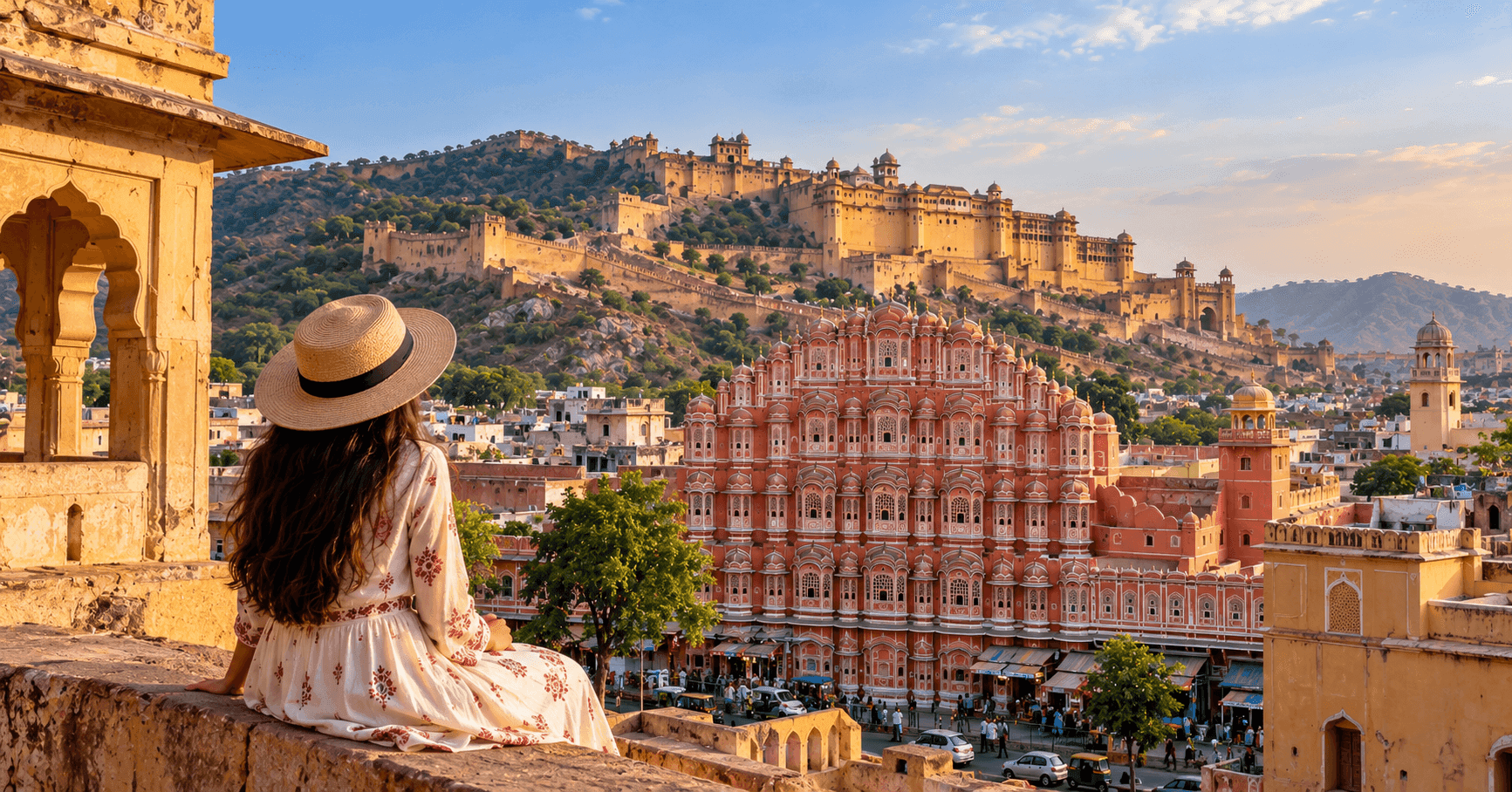
Plan a memorable Jaipur trip in 2026 with this guide to places to visit in Jaipur, historical landmarks, local markets, cultural experiences and things to do. Discover the best time to visit Jaipur and explore Sarovar Hotels in Jaipur.
What if your last holiday of 2026 took you through grand palaces, colourful bazaars and streets filled with centuries of stories? Jaipur, Rajasthan’s famous Pink City, offers a wonderful way to end the year with a blend of history, architecture, local traditions and delicious food. From the intricate details of Hawa Mahal to the impressive hilltop setting of Amber Fort, every corner offers a glimpse into the region’s royal past.
A Jaipur trip in December is also a chance to enjoy the city at a comfortable pace, with generally cooler weather suited to sightseeing and exploring outdoor attractions. Whether you are travelling with family, planning a cultural break with friends or looking for a memorable year-end escape, Jaipur has plenty to discover. This guide covers the places to visit in Jaipur, cultural experiences, local food, practical travel tips and accommodation options to help you plan your holiday.
Jaipur brings Rajasthan’s heritage to life through grand forts, royal palaces, traditional crafts and vibrant markets. Spend your day exploring historic architecture, sampling Rajasthani specialities and browsing local shops, or enjoy views of the Aravalli hills as the sun sets.
Here are a few reasons to choose Jaipur for your year-end getaway:
Royal Heritage: Discover historic forts, palace courtyards and grand gateways.
Distinctive Architecture: Admire pink façades, ornate windows and intricate designs.
Local Culture: Explore traditional handicrafts, block printing, jewellery and bustling bazaars.
Rajasthani Cuisine: Sample regional dishes, local sweets and street-food favourites.
Pleasant Sightseeing Weather: December is generally comfortable for exploring, though mornings and evenings can be chilly.
Experiences for Every Traveller: Combine heritage visits with shopping, food walks, photography and relaxed café stops.
Whether you are planning a short break or a longer Rajasthan holiday, Jaipur offers a rewarding mix of history, culture and local experiences to enjoy at your own pace.
From elaborate palace façades to hilltop forts, Jaipur’s landmarks offer an insight into the history and craftsmanship of Rajasthan. If you are deciding which places to visit in Jaipur to include in your itinerary, start with the major heritage sites and then leave time for the old city’s streets, markets and traditional neighbourhoods.
Set on a hill overlooking Maota Lake, Amber Fort is one of the city's most impressive heritage landmarks. Its courtyards, gateways, ornate halls and intricate mirror work reflect the architectural styles and royal traditions of the region. The Sheesh Mahal, known for its decorative mirrorwork, is a particular highlight.
Allow a few hours to explore the complex at a comfortable pace. Wear comfortable shoes, as there is considerable walking, and check current entry details before your visit.
Few landmarks are as closely associated with Jaipur as Hawa Mahal. Built in 1799, this five-storey structure is recognised for its pink sandstone façade and rows of small windows, known as jharokhas. These allowed royal women to observe street life while maintaining privacy.
You can admire the façade from across the road or explore the interior for a closer look at its design. Pair your visit with a walk through the nearby markets to experience the lively character of the old city.
Located in the heart of the old city, City Palace offers a closer look at Jaipur’s royal heritage. The palace complex combines courtyards, decorated gateways and architectural details that reflect Rajput and Mughal influences.
Depending on the areas open to visitors, you may also see collections of royal costumes, artefacts and historic objects. Check ticket options and access arrangements in advance, as some sections may require separate admission.
For something a little different, visit Jantar Mantar, a UNESCO World Heritage Site featuring astronomical instruments built in the 18th century. Commissioned by Maharaja Sawai Jai Singh II, the observatory demonstrates how earlier scholars studied celestial movements and measured time using carefully designed structures.
A guide can help explain how the instruments work and why they were significant. It is a rewarding stop for visitors interested in history, architecture, mathematics or astronomy.
Perched in the Aravalli hills, Nahargarh Fort is a popular choice for views across Jaipur. Its elevated setting offers a different perspective on the city, particularly towards late afternoon when the light begins to soften.
Combine the fort with other nearby attractions if you have enough time, but allow for the drive and any walking involved. Check local timings before setting out, especially if you plan to stay for sunset.
The Albert Hall Museum is worth visiting if you want to explore Rajasthan’s artistic and cultural heritage beyond its forts and palaces. Its collection includes historic objects, sculptures, decorative arts and other artefacts, while the museum building itself is notable for its Indo-Saracenic architecture.
Set aside time to explore the galleries rather than treating it as a quick photo stop. You can also combine the visit with a walk through Ram Niwas Garden nearby.
These landmarks are a strong starting point when planning the places to visit in Jaipur, particularly if you are interested in the city’s royal history. For a more rounded experience, combine them with its markets, food and living traditions.
Jaipur’s character is not limited to its historic buildings. The city’s crafts, cuisine and everyday street life are just as much a part of its identity. Adding a few local experiences to your itinerary can make your Jaipur trip feel more personal and less like a checklist of monuments.
Browse the Colourful Local Markets: Markets such as Johari Bazaar and Bapu Bazaar are known for jewellery, textiles, traditional clothing, handicrafts and souvenirs. Johari Bazaar is particularly associated with jewellery, while Bapu Bazaar offers a variety of textiles, footwear and local products.
Sample Traditional Rajasthani Food: Food offers another way to discover local culture. Look out for dishes such as dal baati churma, gatte ki sabzi and ker sangri, as well as sweets including ghewar. Menus vary, so ask restaurants about regional specialities and seasonal options.
Discover Jaipur’s Traditional Crafts: Jaipur has a long association with crafts such as block printing, blue pottery, gemstone work and textile production. Depending on your interests, you can browse shops selling locally made pieces or look for workshops and demonstrations that explain how particular crafts are created.
Enjoy the City After Dark: As evening approaches, Jaipur takes on a different atmosphere. You could enjoy dinner at a local restaurant, browse a market that remains open or take in the illuminated architecture where permitted. If a cultural performance or special event interests you, check the programme and book in advance.
There are plenty of things to do in Jaipur beyond its main attractions, but you do not need to fit them all into one visit. Choose a few experiences that match your interests and leave space to explore spontaneously.
If history is the main reason for your visit, go beyond the most photographed landmarks and look for places that reveal how Jaipur developed as a royal capital.
Gaitore Ki Chhatriyan: A complex of ornate royal cenotaphs featuring carved marble and stonework, offering a quieter heritage stop.
Jaigarh Fort: Known for its formidable fortifications and hilltop setting, it offers another perspective on the region’s military history.
Panna Meena ka Kund: A traditional stepwell near Amber, recognised for its geometric stairways and distinctive design.
Jal Mahal: This palace sits in the middle of Man Sagar Lake. It is best admired from the lakeside, as visitor access to the palace itself is restricted.
These historical places in Jaipur can add variety to your itinerary, especially if you have more than two days. Check access arrangements before travelling, as not every heritage site has the same visitor facilities.
Three days give you enough time to experience Jaipur’s major heritage attractions, explore its markets and enjoy local cuisine without trying to fit everything into one day.
Start at Amber Fort and explore its courtyards and palace interiors.
Visit Jal Mahal for views from the lakeside.
Head to Nahargarh Fort if time and local conditions allow.
Enjoy a traditional Rajasthani dinner.
Visit Hawa Mahal and admire its distinctive façade.
Explore City Palace and Jantar Mantar.
Walk through Johari Bazaar and Bapu Bazaar.
End the day with local snacks or dinner at a restaurant.
Visit Albert Hall Museum or another heritage site that interests you.
Browse shops selling block-printed textiles, jewellery and handicrafts.
Try regional dishes you have not yet sampled.
Keep the afternoon flexible for a guided walk, a cultural experience or a relaxed café stop.
This itinerary covers several of the main places to visit in Jaipur while leaving time to enjoy the city between attractions. If you prefer a slower holiday, choose fewer sites each day rather than rushing from one landmark to another.
Choosing the right accommodation can make your year-end holiday more comfortable, especially when you plan to spend your days exploring forts, palaces, museums and bustling markets. Sarovar hotels in Jaipur include a range of properties, from premium stays to practical city hotels, giving you options to suit different travel styles and budgets.
Sarovar Premiere, Jaipur: Located in the Lal Kothi area, Sarovar Premiere, Jaipur offers contemporary accommodation, dining facilities, a swimming pool, a fitness centre and banquet spaces. It is worth considering if you want a premium stay with facilities for relaxing after a day of sightseeing.
Sarovar Portico, Jaipur: Situated in Vaishali Nagar, Sarovar Portico, Jaipur offers comfortable accommodation, dining and leisure facilities. Consider it if you want a city base for exploring Jaipur and prefer to have dining options available at your hotel.
Nirwana Hometel, Jaipur: Nirwana Hometel, Jaipur is located near Khasa Kothi Circle on Station Road. Its dining options and city location make it an option for travellers who want convenient access to transport and Jaipur’s main areas.
V Sarovar Portico, MI Road: Located near MI Road, V Sarovar Portico, MI Road is worth considering if you want to stay in a central part of the city. Its location can be useful for combining sightseeing with shopping and dining around Jaipur’s urban centre.
Golden Tulip Jaipur City Center: Golden Tulip Jaipur City Center offers another accommodation option in the city centre. Its location may suit travellers who want to explore central Jaipur and plan visits to heritage attractions, shops and restaurants.
Golden Tulip Essential, Jaipur: Golden Tulip Essential, Jaipur is an option for travellers seeking a straightforward city stay. Compare its room categories, dining facilities and location with your itinerary to decide whether it suits your holiday plans.
Golden Tulip Jaipur, Kukas: Located in Kukas on the outskirts of Jaipur, Golden Tulip Jaipur, Kukas may appeal to travellers looking for a stay away from the busiest central areas. Consider the distance from the attractions you plan to visit when deciding whether this location is right for you.
Visit the official Sarovar Hotels Jaipur directory to compare the properties, review their details and book accommodation for your year-end holiday.
A little preparation can help you make the most of your holiday, especially during the busy year-end period.
Book early: December is popular, so arrange your stay and any pre-bookable experiences in advance.
Start sightseeing early: Visit major forts and palaces earlier in the day to allow enough time for exploring.
Wear comfortable footwear: Heritage complexes often involve steps, uneven surfaces and plenty of walking.
Carry warm layers: Mornings and evenings can be chilly during winter.
Plan travel by area: Group nearby attractions together to reduce time spent on the road.
Check opening times: Entry arrangements, ticket prices and visitor access may change.
Shop thoughtfully: Compare prices and ask about materials when buying handicrafts or jewellery.
Respect local customs: Follow rules at religious sites and ask permission before photographing people.
Planning ahead makes it easier to enjoy the things to do in Jaipur without turning your holiday into a packed schedule. Keep some time free for unexpected discoveries, whether that means finding a local food favourite or spending longer than planned at a heritage site.
Jaipur offers a memorable way to end 2026, with grand forts, intricate architecture, lively bazaars and a food culture worth exploring. Whether you spend your days discovering royal landmarks, browsing traditional crafts or enjoying Rajasthani cuisine, the city offers plenty of ways to connect with its history and everyday life.
Plan your itinerary around the experiences that interest you most, choose accommodation that suits your travel plans and leave room to explore at your own pace. With thoughtful planning, your year-end Jaipur trip can be a rewarding start to 2027.
Make your year-end getaway memorable with a comfortable stay that complements your Jaipur sightseeing plans. Explore the range of Sarovar Hotels properties in Jaipur, compare locations and facilities, and choose the accommodation that best suits your travel needs.
For booking assistance and reservations, call +91 98 8680 0049 or email reservations@sarovarhotels.com. You can also visit the official Sarovar Hotels website to explore properties and check availability for your travel dates.