
Loading…
Loading…
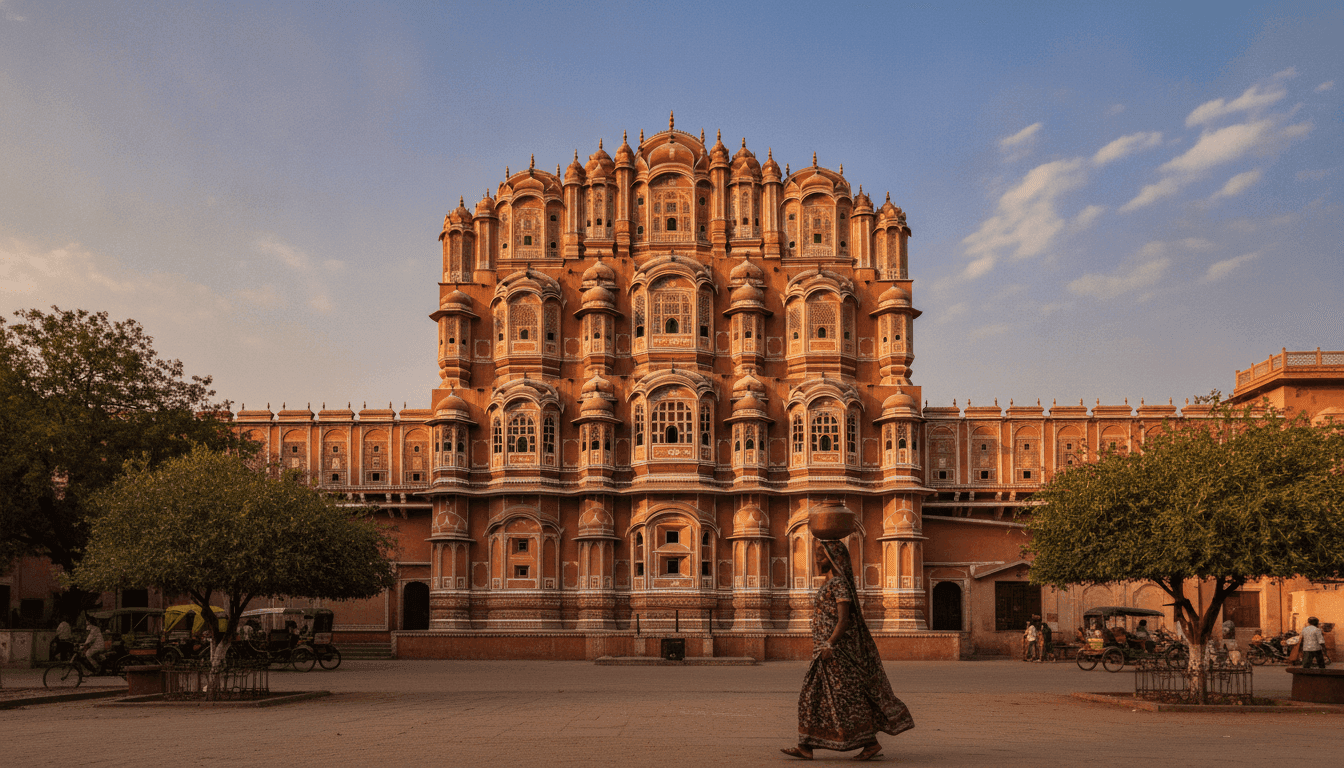
Explore 10 historical places in Jaipur, from Amber Fort and Hawa Mahal to City Palace and Panna Meena Ka Kund. Discover heritage highlights, travel tips, ideal visiting times, nearby stays and the best hotels in Jaipur for a memorable trip.
Jaipur is not simply a city of pink-painted facades; it is a carefully planned royal capital where forts, palaces, observatories, museums, stepwells and bustling bazaars still tell the story of Rajasthan's political power, artistic skill and scientific curiosity. Founded in 1727 by Maharaja Sawai Jai Singh II, Jaipur's walled city is recognised by UNESCO for its distinctive grid-based planning and living craft traditions. For travellers, the city's heritage is remarkably accessible: monumental forts rise over the Aravalli hills, royal buildings stand within the old city, and centuries-old neighbourhoods continue to function around them.
Jaipur’s historical attractions are spread across different parts of the city, so planning your route and accommodation in advance can make the trip more convenient. Staying at one of the best hotels in Jaipur can provide easy access to major landmarks while allowing travellers to experience the city’s markets, cuisine and cultural character comfortably.
This guide covers ten of the most rewarding historical places in Jaipur, explains what makes each site special, and helps you organise them into a practical itinerary. It also includes guidance on heritage stays, city tours, the best time to visit and frequently asked questions for first-time travellers.
Heritage site | known for | Best time of day | Suggested time |
Amber Fort | Hilltop palace, courtyards and Sheesh Mahal | Morning | 2-3 hours |
City Palace | Royal courtyards, museums and gateways | Morning/early afternoon | 1.5-2 hours |
Hawa Mahal | Iconic honeycomb-like facade and jharokhas | Early morning | 45-60 minutes |
Jantar Mantar | Monumental astronomical instruments | Morning/late afternoon | 60-90 minutes |
Nahargarh Fort | Hilltop views and palace architecture | Late afternoon | 1.5-2 hours |
Jaigarh Fort | Military architecture and fortifications | Morning | 1.5-2 hours |
Jal Mahal | Water Palace in Man Sagar Lake | Sunrise/sunset | 20-30 minutes |
Albert Hall Museum | Indo-Saracenic museum and collections | Afternoon/evening | 1-2 hours |
Gaitore Ki Chhatriyan | Royal cenotaphs and marble carving | Morning | 45-60 minutes |
Panna Meena ka Kund | Geometric stepwell near Amer | Morning | 30-45 minutes |
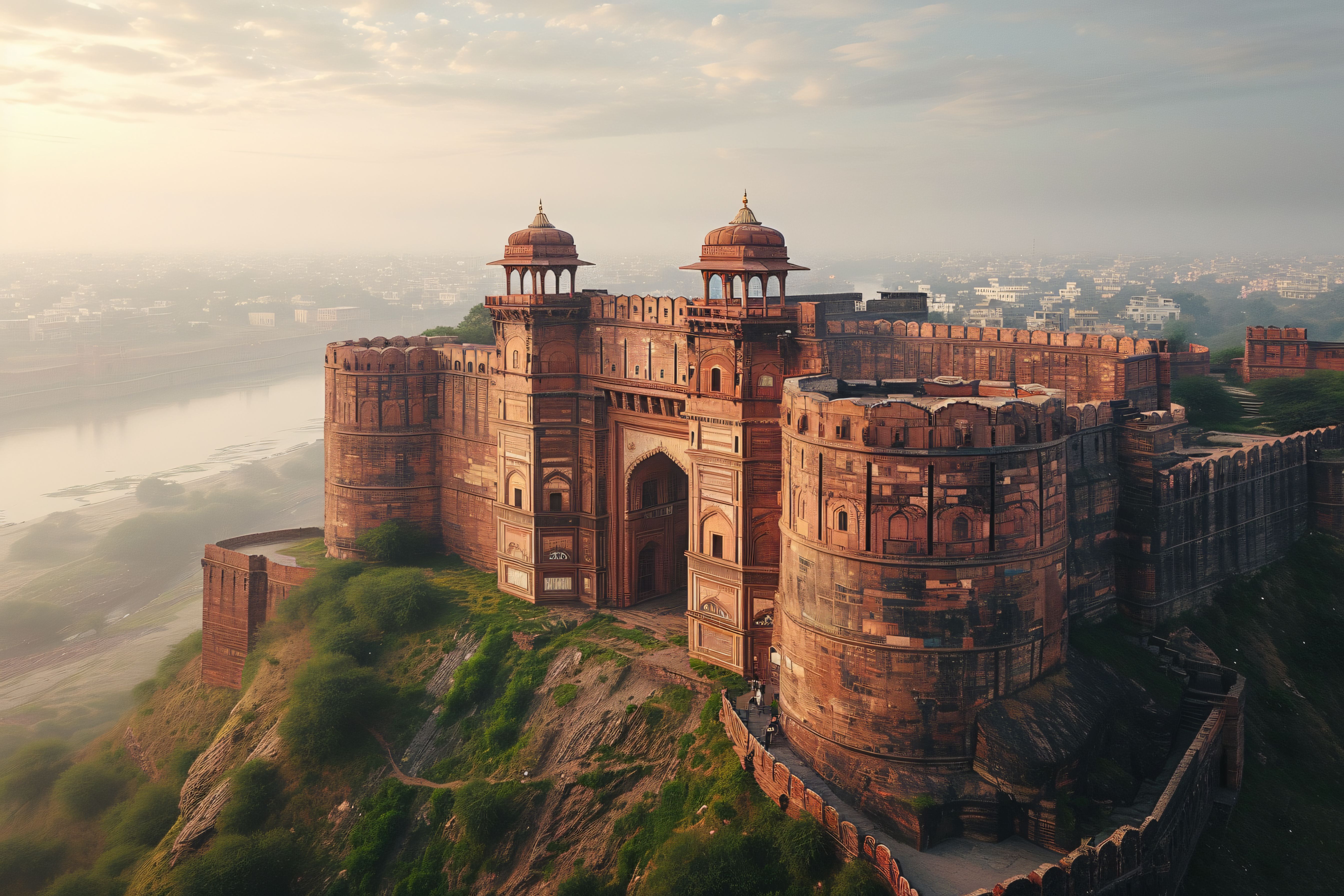
Amber Fort, also called Amer Fort or Amber Palace, is the most impressive introduction to Jaipur's royal past. Set on a hill roughly 11 kilometres from the central city, the complex combines defensive walls with graceful courtyards, audience halls, gardens and private royal chambers. Its architecture reflects a blend of Rajput planning and Mughal-influenced decorative detail.
Begin at the main courtyards before moving toward Ganesh Pol, the Diwan-i-Aam and the celebrated Sheesh Mahal. Mirror work, painted surfaces, carved stone and framed hill views make the palace rewarding even for travellers who have visited other forts in Rajasthan. Restored underground passages also connect parts of the Amber complex with Jaigarh Fort, reinforcing the strategic relationship between the palace and the military fort above it.
Visitor tips
· Arrive early to avoid the strongest sun and the largest crowds.
· Wear comfortable footwear because the complex includes slopes, steps and uneven surfaces.
· Combine the visit with Panna Meena ka Kund and Jaigarh Fort.
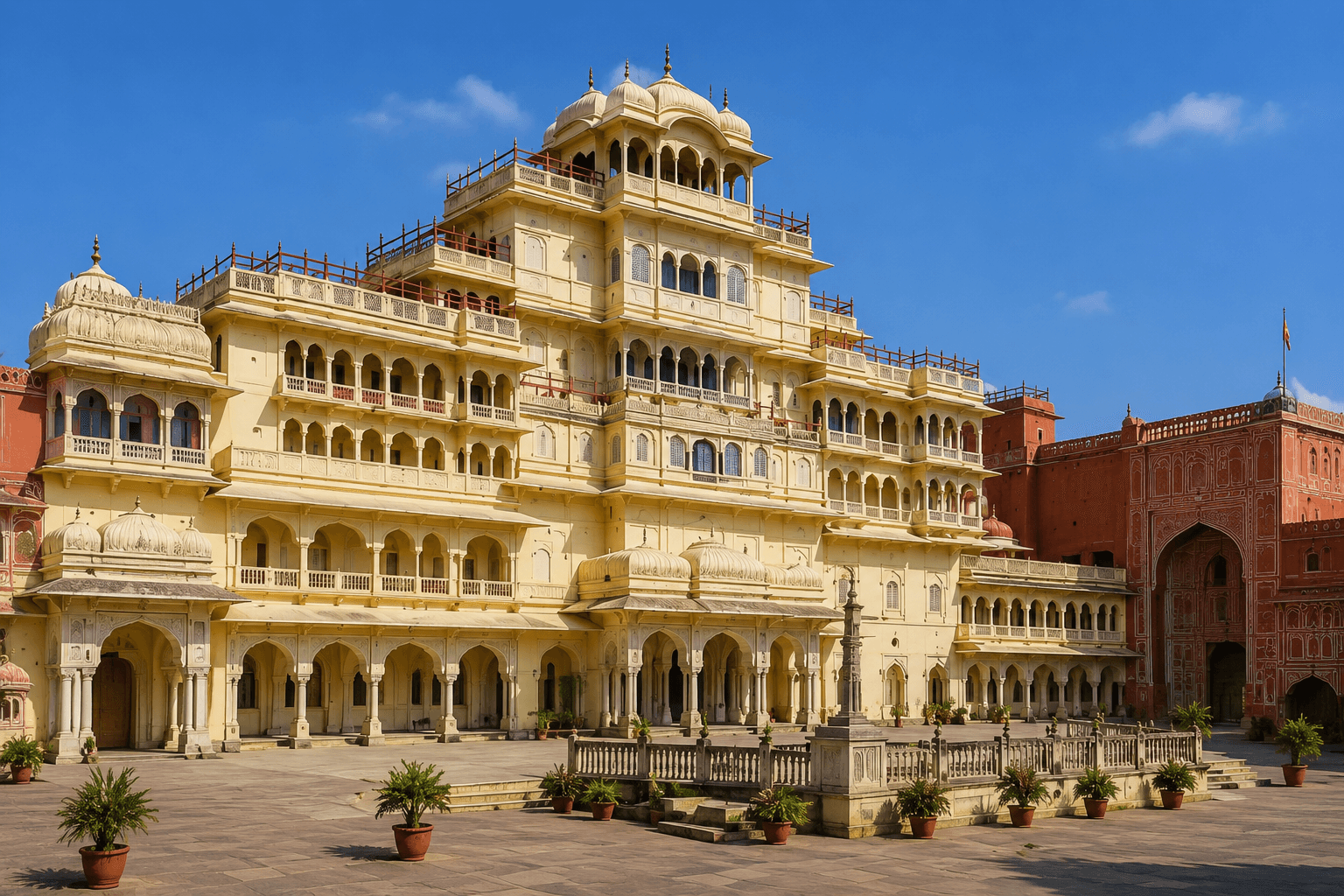
Located inside the walled city, the City Palace was conceived by Maharaja Sawai Jai Singh II and developed by later rulers. The complex brings together Rajput, Mughal and European influences through a sequence of courtyards, gateways, pavilions and museum spaces.
Mubarak Mahal, the armoury and textile collections, the ceremonial courtyards and the richly decorated gates are key highlights. The famous Peacock Gate is especially admired for its detailed ornamentation. Parts of the complex remain associated with Jaipur's former royal family, giving the site a rare sense of continuity between historic architecture and living tradition.
Visitor tips
· Allow at least 90 minutes for the standard museum areas.
· Pair City Palace with Jantar Mantar, which is located nearby.
· Check the ticket categories before visiting because access levels may vary.
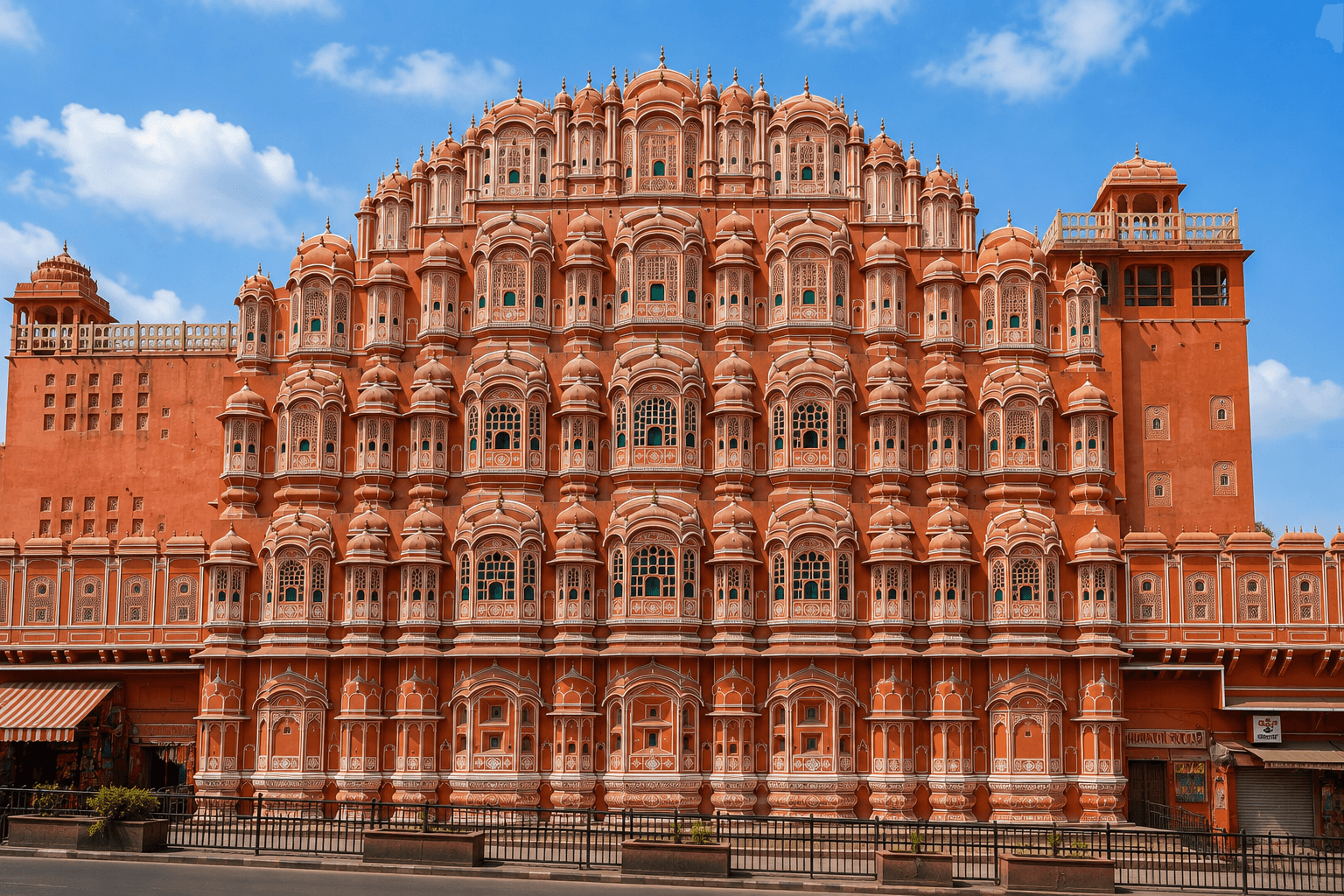
Built in 1799 during the reign of Maharaja Sawai Pratap Singh, Hawa Mahal is Jaipur's most recognisable facade. Its layered, honeycomb-like front is filled with small screened windows and jharokhas. The design allowed royal women to observe processions and everyday activity in the bazaar while maintaining privacy.
The exterior is best photographed in soft morning light from the street-facing side. Inside, narrow passages and upper levels reveal how the facade functions as more than a decorative screen. Views from the upper floors connect the monument visually with the old markets, City Palace and Jantar Mantar.
Visitor tips
· Visit early in the morning for the clearest facade photographs.
· Explore the interior rather than treating it only as a roadside photo stop.
· Walk through nearby Johari Bazaar and Badi Chaupar after the visit.
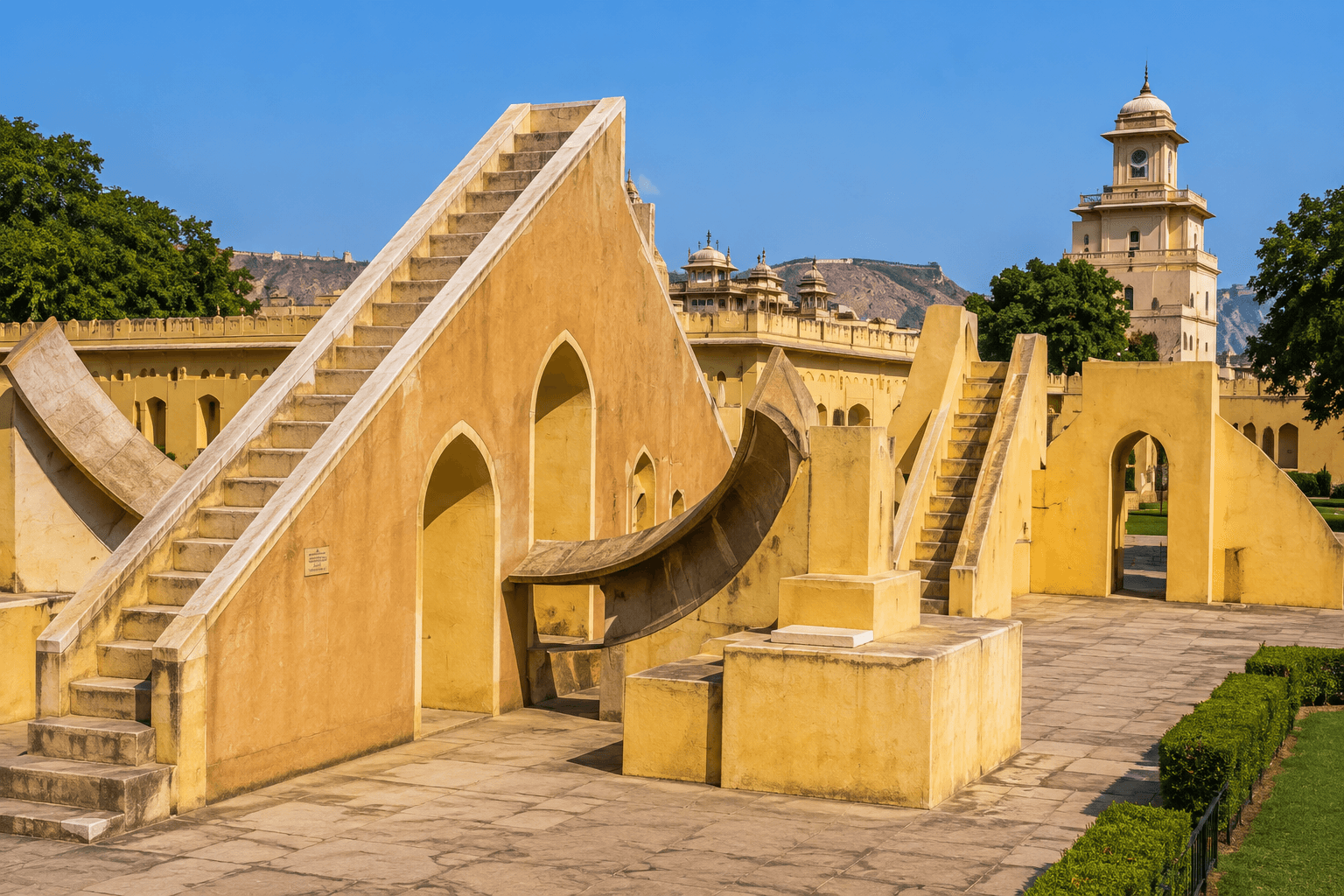
Jantar Mantar is one of Jaipur's most intellectually fascinating historical sites. Built under Sawai Jai Singh II, the observatory contains large masonry instruments designed for astronomical observation and calculation. Its scale transforms mathematical ideas into architecture that visitors can physically walk around.
The collection includes instruments used to observe celestial positions, calculate time and study astronomical movement. Jantar Mantar is recognised as a UNESCO World Heritage Site and is considered the largest and best preserved of the observatories created by Jai Singh II. A trained guide can make the experience far more meaningful by explaining how the shadows, angles and calibrated surfaces were used.
Visitor tips
· Visit when there is enough daylight to understand the instruments.
· Take a guide or audio explanation instead of viewing the structures without context.
· Combine it with City Palace and Hawa Mahal on the same day.
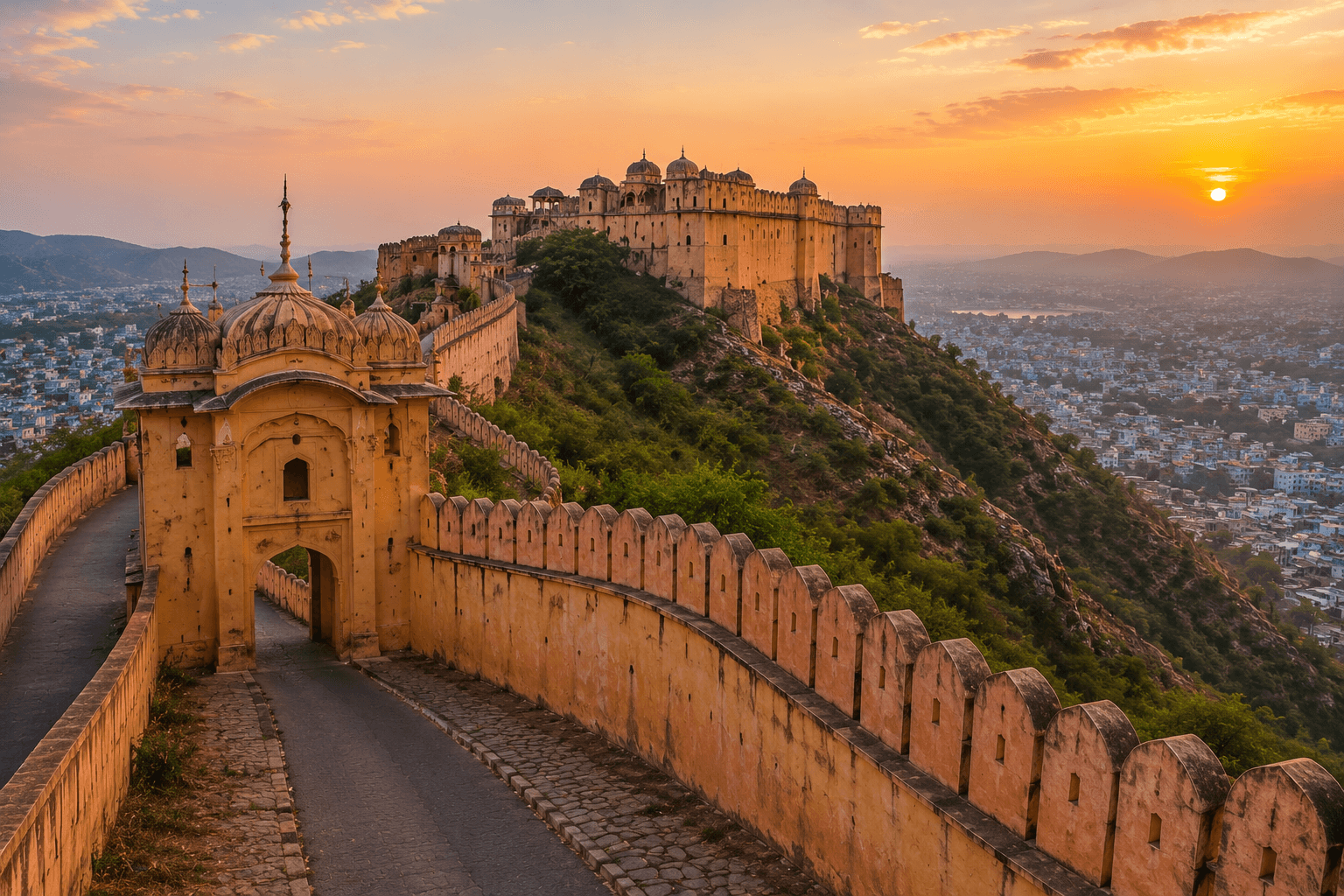
Nahargarh Fort stands along the Aravalli ridge above Jaipur and offers one of the finest views over the city. Originally developed as part of Jaipur's defensive system, the fort later acquired palace spaces used for royal retreat and recreation.
Madhavendra Bhawan, with its suites arranged around courtyards, is an architectural highlight. The fort is particularly popular near sunset, when Jaipur's grid, hills and expanding urban landscape become visible in changing light. Because the approach is elevated and winding, travellers should plan transport in advance rather than relying on a last-minute ride.
Visitor tips
· Reach well before sunset so there is time to explore the palace areas.
· Carry a light layer in winter because the ridge can feel cooler and windier.
· Confirm return transport before staying late.
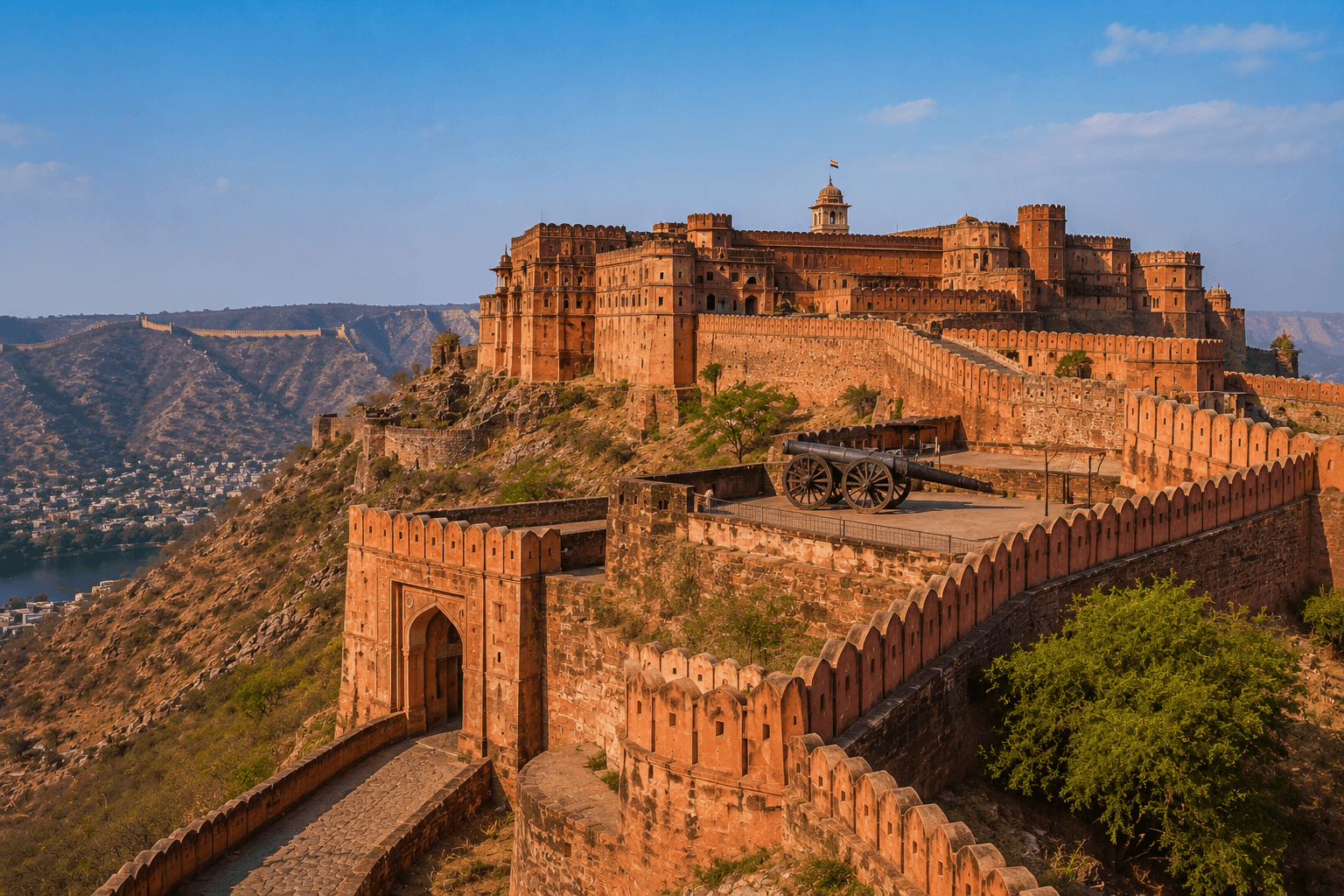
Positioned above Amber, Jaigarh Fort was built to protect the palace complex and its surrounding routes. Compared with the decorative elegance of Amber, Jaigarh feels more austere and military, with long ramparts, watch points, water systems, armoury areas and commanding views.
The fort is widely associated with the Jaivana cannon and with stories of royal defence and treasury. Its elevated location also helps visitors understand the strategic geography of the Amber-Jaigarh-Nahargarh fort network. Travellers interested in military history, fort engineering and panoramic photography should give Jaigarh enough time rather than treating it as a brief add-on.
Visitor tips
· Visit after Amber Fort if you have a private cab or planned transport.
· Bring water and sun protection, particularly outside winter.
· Look for viewpoints that reveal Amber Palace and Maota Lake below.
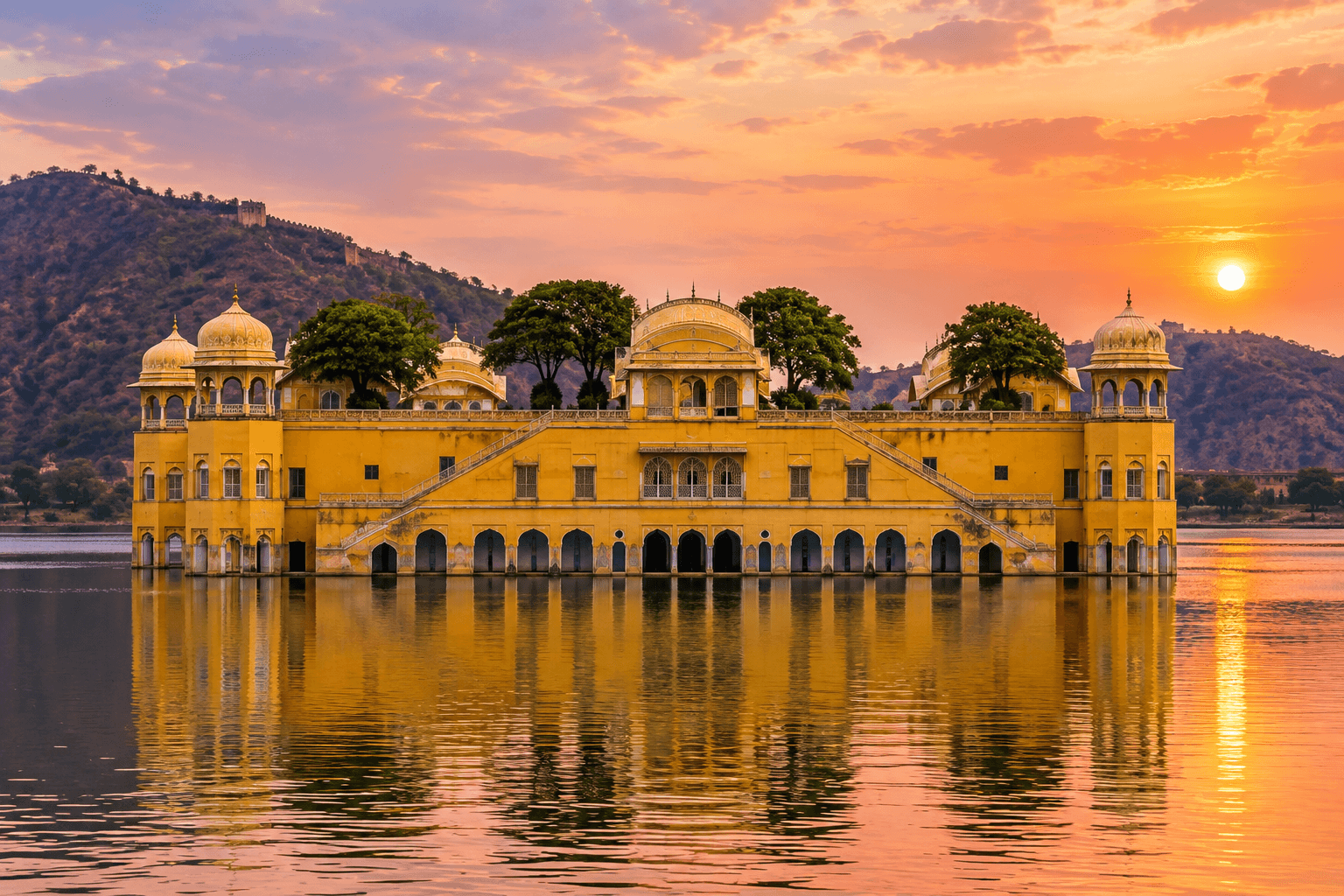
Jal Mahal appears to float in the middle of Man Sagar Lake and creates one of Jaipur's most memorable cityscapes. The palace was historically linked with royal leisure and the lake environment, while the surrounding hills frame it naturally.
Most travellers experience Jal Mahal from the lakeside promenade, where sunrise and sunset create the best atmosphere for photography. Public access to the palace itself may be restricted, so it is wiser to plan this as a scenic stop between the walled city and the Amber area rather than as a long interior visit.
Visitor tips
· Stop here while travelling between central Jaipur and Amber.
· Avoid expecting routine entry into the palace; check the current access position locally.
· Visit in softer light for reflections and birdlife around the lake.
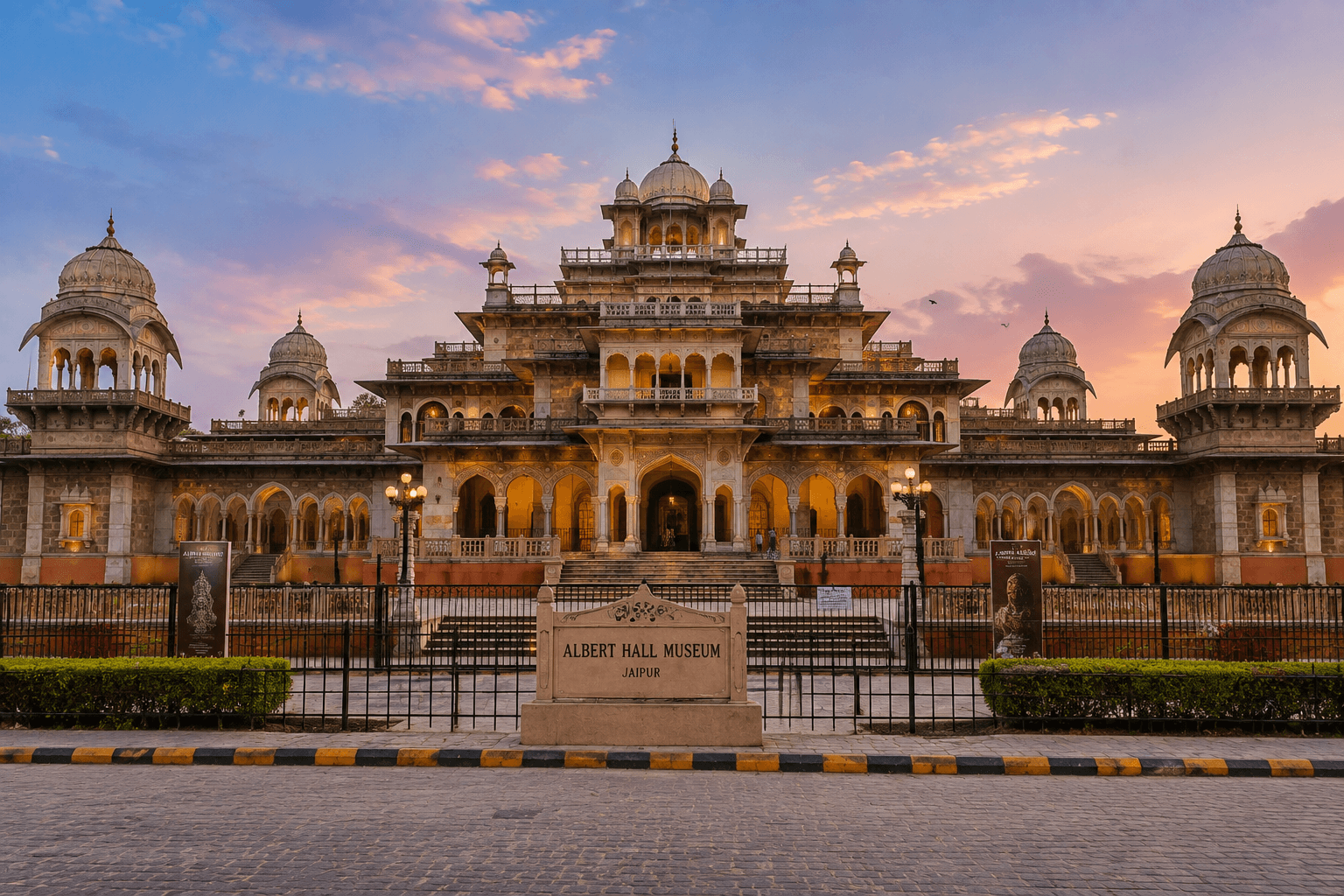
Albert Hall Museum stands within Ram Niwas Garden and is one of Jaipur's most important late-19th-century public buildings. Its Indo-Saracenic design, layered arches, domes and illuminated exterior make the architecture itself a major attraction.
Inside, the museum brings together decorative arts, metalwork, textiles, paintings, arms, pottery and other collections that help place Rajasthan's royal and craft heritage in a wider cultural context. It is an excellent choice for the warmer part of the day and for travellers who want more than forts and palace facades.
Visitor tips
· Allow one to two hours for the galleries.
· The illuminated exterior is attractive after dark, but verify museum entry timings separately.
· Combine the museum with Ram Niwas Garden and the old-city markets.
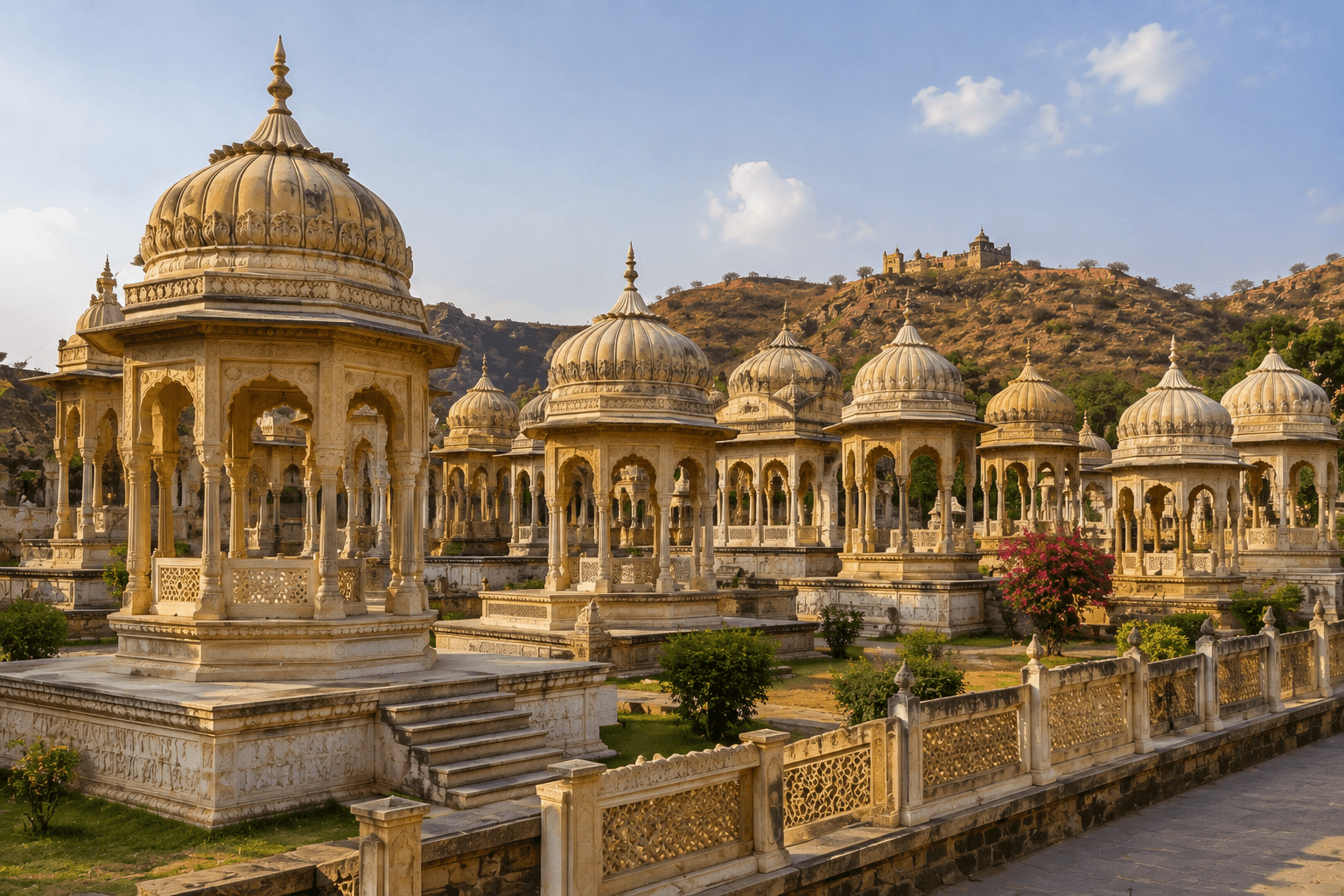
Gaitore Ki Chhatriyan is a group of royal cenotaphs associated with Jaipur's former rulers. Set against low sandstone hills, the site is more peaceful than the city's major forts and palaces. Its open pavilions, carved pillars, domes and marble details demonstrate the elegance of Rajput memorial architecture.
Each chhatri reflects the status and period of the ruler it commemorates. The site rewards slow observation: floral carving, geometric patterns, inscriptions and changing light across the stone are more important here than monumental scale. It is particularly suitable for architecture enthusiasts and travellers looking for a quieter heritage experience.
Visitor tips
· Visit in the morning for cooler temperatures and softer light.
· Maintain a respectful atmosphere because this is a memorial site.
· Pair it with Nahargarh Fort or the Jaipur-Amber route.
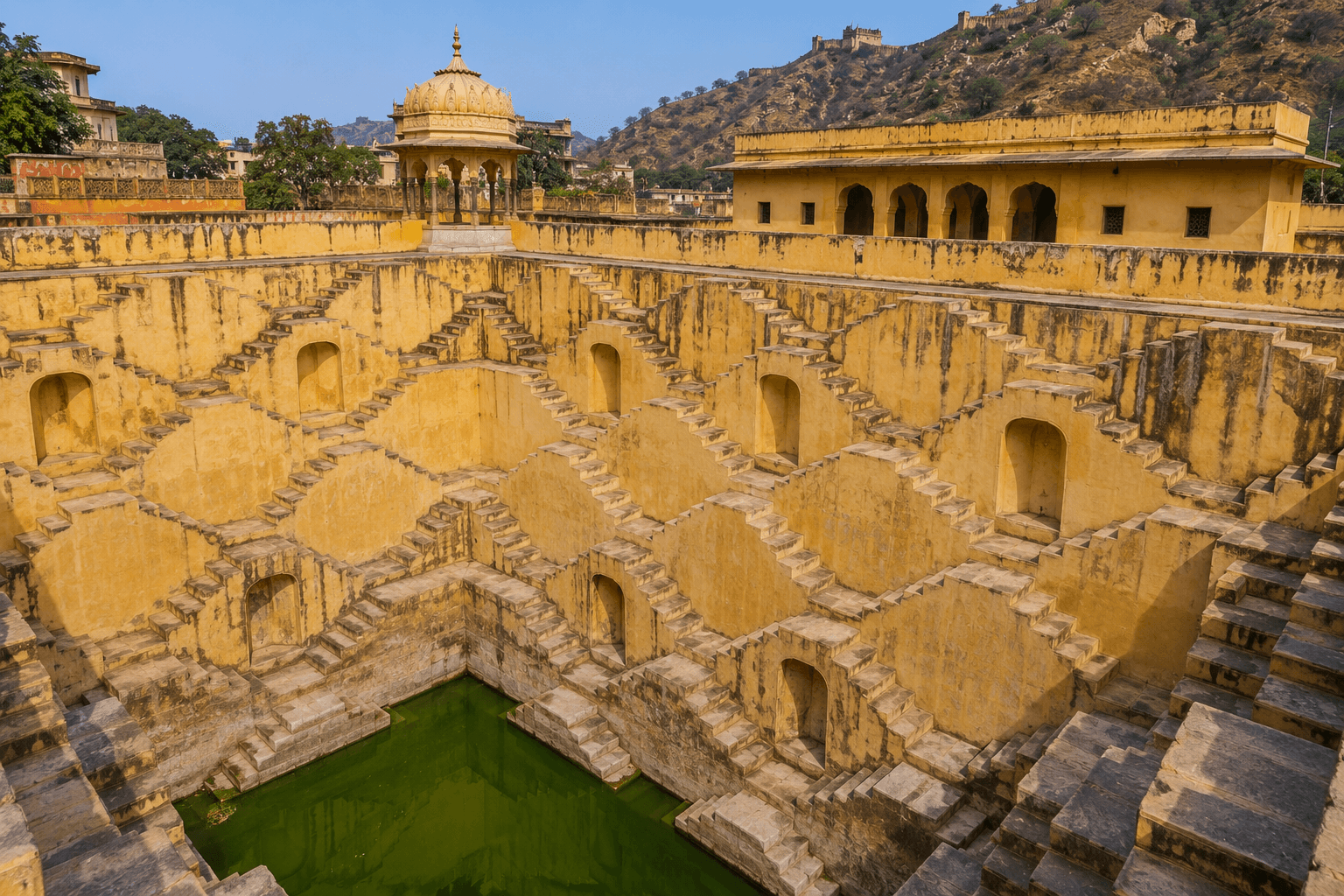
Panna Meena ka Kund is a historic stepwell near the Amber settlement, known for its symmetrical flights of steps and compact geometric form. Stepwells were practical water structures, but they also functioned as community spaces shaped by local climate and social life.
The kund is smaller than Jaipur's palaces, yet it adds an important layer to a heritage itinerary by showing how architecture served everyday needs. Its repeated stair patterns are visually striking, but visitors should follow local safety rules and avoid climbing into restricted areas.
Visitor tips
· Visit before or after Amber Fort to minimise extra travel.
· Respect barriers and local instructions around the steps.
· Spend time exploring the older lanes and temples of Amer nearby.
Day 1 - Walled City and Museums
· Hawa Mahal in the early morning
· City Palace
· Jantar Mantar
· Lunch and a walk through the old bazaars
· Albert Hall Museum in the afternoon or evening
Day 2 - Amber and Hill Fort Circuit
· Amber Fort
· Panna Meena ka Kund
· Jaigarh Fort
· Jal Mahal photo stop
· Nahargarh Fort for late-afternoon views
Add a third day for a slower trip: Visit Gaitore Ki Chhatriyan, spend more time in the bazaars, explore craft workshops, or book a guided heritage walk through the walled city.
October to March is generally the most comfortable period for sightseeing because daytime conditions are milder. December and January mornings can be cool, while afternoons are usually pleasant. April to June is often very hot, so visits should be concentrated in the early morning and late afternoon. During the monsoon, short showers can improve the landscape around the forts, but humidity and slippery surfaces require extra care.
Staying in a well-connected part of Jaipur can make it easier to visit the city’s forts, palaces, markets and cultural landmarks. Travellers can explore Sarovar Hotels for comfortable accommodation, modern amenities and convenient access to popular attractions. Whether you are planning a family holiday, a heritage tour or a weekend getaway, choosing from the best hotels in Jaipur can help you explore the Pink City at a relaxed pace.
Many traditional haveli hotels and heritage properties can help guests arrange guided fort visits, old-city walks, craft tours, market visits or full-day sightseeing. However, the quality and inclusions differ by property. Ask whether the guide is licensed or professionally trained, which monuments are covered, whether entrance fees and transport are included, and whether the itinerary can be adjusted for children, senior travellers or limited mobility. Rajasthan Tourism Development Corporation also publishes city-tour and local transport information, which can be useful for travellers who prefer an organised public-sector option.
· Start early. The forts and the old city are easier to explore before traffic and heat build up.
· Group nearby attractions. City Palace, Jantar Mantar and Hawa Mahal belong in one route; Amber, Panna Meena and Jaigarh belong in another.
· Keep tickets and identification accessible. Entry categories and camera rules may differ by site.
· Use authorised guides or verified tour providers, particularly when detailed historical interpretation matters.
· Dress for walking and sun exposure. Carry water, a hat and footwear suitable for stone steps.
· Respect restricted areas. Heritage structures are fragile, and some sections may close temporarily for conservation or security.
· Confirm current opening hours before departure. Timings, ticket rates and access rules can change.
· Allow extra travel time between central Jaipur and the hill forts, especially during weekends and peak season.
Conclusion
Jaipur’s forts, palaces, stepwells and heritage landmarks reveal the city’s rich royal history and architectural brilliance. From exploring Amber Fort and Hawa Mahal to visiting City Palace and Panna Meena Ka Kund, every attraction offers a different perspective on the Pink City’s cultural legacy.
While planning your Jaipur itinerary, you can also explore more travel destinations with Sarovar Hotels and discover thoughtfully located stays across India. Travellers visiting Rajasthan can choose from the best hotels in Jaipur for comfortable accommodation, convenient access to major attractions and warm hospitality.
Plan your journey in advance, allow enough time for each heritage site and experience Jaipur’s history, local culture and timeless charm at a relaxed pace.
PLAN YOUR JAIPUR HERITAGE STAY Turn your heritage itinerary into a seamless city break. Explore the best hotels in Jaipur and plan a comfortable stay with direct booking support. |
Central Reservations: +91 98 8680 0049 Email: Bookings@sarovarhotels.com Explore Online: best hotels in Jaipur For room reservations, group stays and booking assistance. |