
Loading…
Loading…
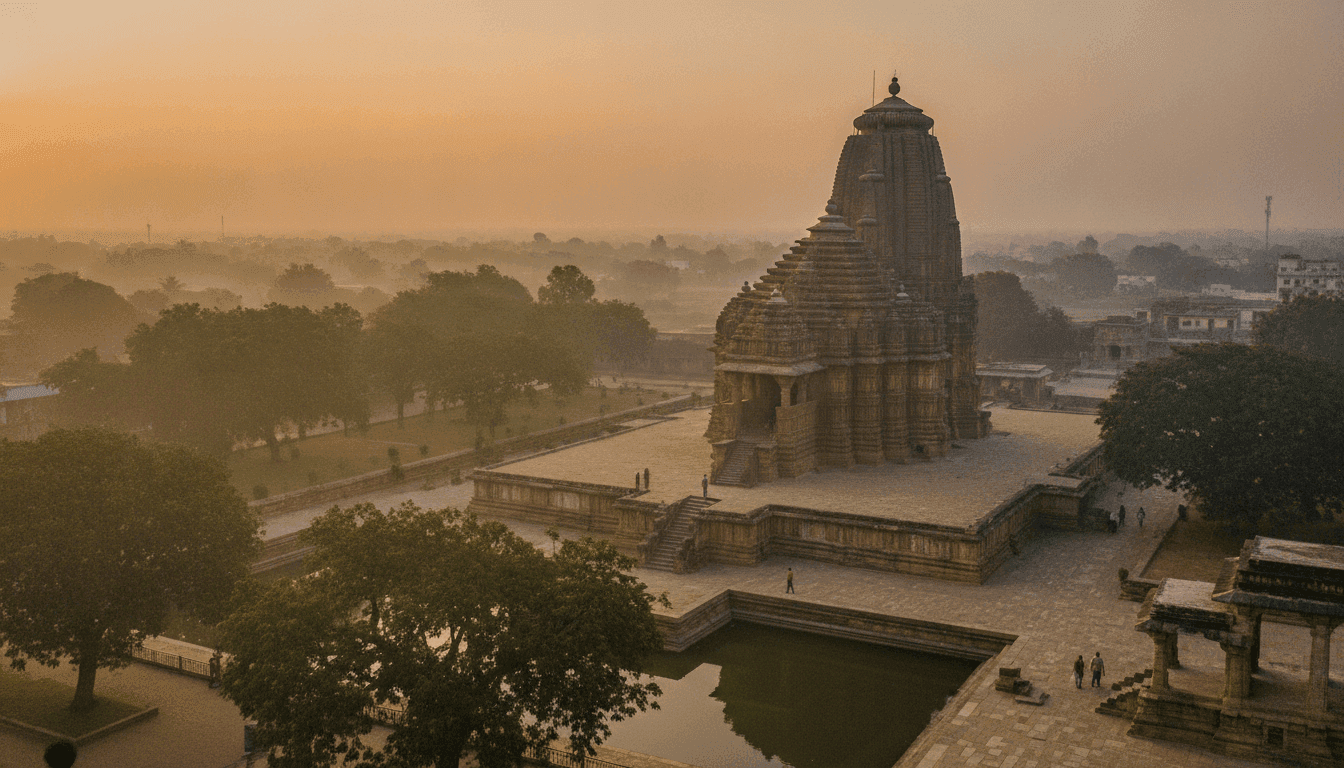
Explore the Lingaraj Temple itinerary with history, timings, darshan tips, Maha Shivaratri, nearby Bhubaneswar attractions, travel guidance, hotel options and a plan for pilgrims and first-time visitors for a comfortable temple and city trip.
Bhubaneswar, often called the Temple City of India, is home to some of Odisha’s finest examples of temple architecture, and Lingaraj Temple Bhubaneswar is among its most significant landmarks. Dating to the 11th century, the temple is dedicated to Lord Lingaraj, worshipped in the Harihara tradition representing both Shiva and Vishnu.
Planning a visit requires more than simply knowing the temple's opening and closing time. Visitors should also understand entry restrictions, darshan arrangements, festival crowds, appropriate clothing, photography rules and nearby attractions that can be combined into one Bhubaneswar itinerary.
This Lingaraj Temple itinerary covers the temple's history, architecture, timings, darshan planning, festivals, travel tips, nearby places and accommodation options to help you plan a comfortable visit.
Lingaraj Temple is one of Bhubaneswar's most important religious and architectural landmarks. The temple rises around 180 feet and the complex contains numerous subsidiary shrines, showcasing the scale and craftsmanship of the Kalinga architectural tradition.
The presiding deity is worshipped as Harihara, reflecting the integration of Shaiva and Vaishnava traditions in Odisha. The temple's religious importance, architecture and continuing worship make it a major pilgrimage destination.
The present temple dates to the 11th century, although traditions and historical references indicate that the sacred site has much older associations. The deity is regarded as a Swayambhu, or self-originated, form of Shiva.
The temple is also closely connected with Bindu Sagar Lake and the religious landscape of Old Town Bhubaneswar. The surrounding area contains several historic temples, making the Lingaraj visit an important part of a wider heritage itinerary.
The temple is traditionally attributed to Somavanshi King Jajati Keshari, associated with the 11th-century construction of the shrine. The Odisha Hindu Religious Endowment Commission lists Jajati Keshari as the creator and dates the temple to the 11th century CE.
Historical accounts can vary regarding the exact phases of construction and later additions, so it is more accurate to describe Jajati Keshari as the traditional creator associated with the temple rather than treating the construction history as a single-event process.
Lingaraj Temple is regarded as a major example of Kalinga architecture, with its soaring central tower, detailed stone carvings and carefully proportioned temple structures. Odisha Tourism describes the temple as marking the culmination of temple architecture in Bhubaneswar.
The complex is broadly organised around four principal halls: the Garbhagriha or sanctum, Yajna Mandapa, Natya Mandapa and Bhoga Mandapa. Together, they create the distinctive architectural sequence seen in major Odisha temples.
The Lingaraj complex contains a large number of subsidiary shrines within its expansive enclosure. Odisha Tourism states that the complex has around 150 subsidiary shrines, highlighting the scale of the sacred landscape.
Bindu Sagar Lake lies immediately north of the temple and is closely connected with local religious traditions and festivals. The surrounding Old Town area also contains several other historic temples worth including in your itinerary.
Knowing the Lingaraj Temple timings is essential because temple rituals and access arrangements can differ from a simple tourist attraction's schedule. Current official tourism sources list the temple's general visiting hours differently, so visitors should verify the day's arrangements locally before travelling.
Odisha Tourism currently lists 6:30 AM to 7:30 PM on its Lingaraj Temple information page, while Incredible India currently lists 7:00 AM to 7:00 PM. This difference makes it advisable to confirm the latest schedule before your visit, particularly on festival days.
The currently published tourism timings indicate morning opening and evening closing, but exact access to worship areas can depend on daily rituals. Visitors looking specifically for the Lingaraj Temple opening time or closing time should check the latest local instructions before arriving.
There is no need to treat the published general visiting hours as a guarantee of uninterrupted darshan throughout the day. Temple rituals can affect access, so pilgrims should allow some flexibility in their itinerary.
Lingaraj Temple follows a traditional schedule of worship and rituals, and these religious activities are an important part of the temple experience. Rather than rushing through the complex, visitors should allow time for possible ritual-related pauses.
During Maha Shivaratri, Ashokashtami and other major festivals, visitor numbers and temple arrangements can change substantially. The temple draws very large crowds during major celebrations, so official updates and local instructions should be checked before travelling.
The best time to visit Lingaraj Temple depends on your priorities. If you want a comparatively comfortable sightseeing experience, choose a period with pleasant weather and avoid major festival rushes unless you specifically want to experience the celebrations.
The cooler months are generally more comfortable for combining temple visits with outdoor sightseeing around Bhubaneswar. This is particularly useful if you plan to visit Mukteshwar, Rajarani, Udayagiri and Khandagiri along with Lingaraj Temple.
Weekdays can be preferable if you want a more relaxed sightseeing schedule, while weekends may see greater local visitor movement. Regardless of the day, arriving with sufficient time for temple procedures can make the experience smoother.
Avoid arriving without checking festival dates or local events. Early planning, flexible sightseeing and allowing additional time for darshan can help you manage unexpected queues.
If experiencing Lingaraj Temple Maha Shivaratri or Rukuna Rath Yatra is a priority, expect substantially larger crowds. These festivals are important cultural experiences but require more patience and advance planning.
Maha Shivaratri is one of the most significant festivals at Lingaraj Temple and attracts large numbers of devotees. One of the highlights is the lighting of the Mahadipa, a large sacred lamp placed atop the temple during the evening.
If you plan to visit during Maha Shivaratri, prepare for extensive crowds, longer waiting periods and special arrangements around the temple. It is better suited to pilgrims specifically seeking the festival experience than travellers looking for a quiet sightseeing visit.
Chandan Yatra is another important celebration associated with Lingaraj Temple. During the festival, the deities are taken in a ceremonial procession to Bindu Sagar Lake, adding a distinctive ritual and cultural dimension to the temple calendar.
Ashokashtami is associated with the Rukuna Rath Yatra, during which the festival deity of Lingaraj is taken in a chariot procession towards Rameswar Temple. The celebration attracts large crowds and is an important part of Bhubaneswar's religious traditions.
Festival days involve special rituals, processions and arrangements that can significantly change normal visitor movement. Check current information before planning a detailed sightseeing schedule around a festival.
Expect crowds, traffic diversions and longer travel times around the temple. Keep your itinerary flexible, carry only essential belongings and follow instructions from temple authorities and local officials.
Entry to the temple complex is restricted to Hindus. Non-Hindu visitors can view the temple complex from a specially designated raised platform outside the temple premises.
Visitors should choose modest and comfortable clothing suitable for a religious site. Traditional or conservative attire is recommended, particularly if you plan to visit other temples around Bhubaneswar on the same day.
Cameras and electronic gadgets are not allowed inside the temple premises according to Odisha Tourism. A designated viewing platform outside the complex provides an alternative for visitors who cannot enter the temple.
Carry only essential items such as identification, required medicines, water for the journey and other personal necessities. Avoid taking valuables or electronic devices that cannot be taken inside the temple.
Keep extra time for queues and rituals rather than planning a tightly packed schedule. If you are travelling with children or senior citizens, prioritise comfort, hydration and adequate rest between temple visits.
Located just north of Lingaraj Temple, Bindu Sagar is an important part of the religious and cultural landscape of Old Town. It can be visited conveniently as part of the same temple circuit.
Mukteshwar Temple is one of Bhubaneswar's celebrated architectural landmarks and is often included alongside Lingaraj Temple in city sightseeing itineraries. Its intricate carvings make it particularly appealing to visitors interested in temple architecture.
Rajarani Temple is another important example of Odisha's architectural heritage. It can be combined with Lingaraj and Mukteshwar to create a compact heritage-focused sightseeing route.
The Udayagiri and Khandagiri Caves offer a different historical experience through their ancient rock-cut structures. Odisha Tourism regularly includes the caves alongside Bhubaneswar's historic temples in sightseeing itineraries.
Dhauli adds a Buddhist and historical dimension to a Bhubaneswar itinerary. If you have a full day, it can be combined with Lingaraj, the Old Town temples and other city attractions depending on your travel schedule.
Lingaraj Temple is accessible from Bhubaneswar Railway Station by cab, auto-rickshaw and local transport. Odisha Tourism confirms that Old Town and Lingaraj Temple can be reached through city buses, autos and taxis.
The airport is the nearest major airport for travellers arriving in Bhubaneswar. From there, taxis and app-based transport can be used to reach the Old Town and temple area.
Auto-rickshaws, taxis and city buses provide practical options for moving between Lingaraj Temple and nearby attractions. For a multi-stop temple itinerary, a cab can be more convenient than arranging separate rides.
Parking availability can vary around the busy Old Town area, particularly during festivals and peak periods. If you are staying elsewhere in Bhubaneswar, consider using a cab or auto for the final stretch.
Allow at least a few hours for the Lingaraj Temple area if you want to include Bindu Sagar and nearby temples. A full day gives you more flexibility to combine the Old Town circuit with Udayagiri and Khandagiri or Dhauli.
Staying in a well-connected part of Bhubaneswar can make temple visits and city sightseeing easier. It is particularly helpful when your itinerary includes early starts, multiple temples or travel to the airport and railway station.
When choosing a hotel near Lingaraj Temple, consider not only the distance but also connectivity, transport availability, dining, room comfort and assistance with sightseeing. These factors can be more useful than choosing a property solely because it is close to one landmark.
For travellers looking for hotels in Bhubaneswar near Lingaraj Temple, Sarovar has properties positioned for city sightseeing. Prachi Sarovar Premiere, Bhubaneswar, for example, is listed at around 7.9 km from Lingaraj Temple and also offers convenient access to Udayagiri and Khandagiri Caves.
Prachi Sarovar Premiere is in Khandagiri and offers 78 rooms and a suite, all-day dining, a swimming pool, gym and banqueting facilities. Its location makes it useful for travellers combining temple visits with wider Bhubaneswar sightseeing.
Sarovar Portico, Bhubaneswar is another centrally positioned Sarovar property currently listed as Opening Soon, with its official location page highlighting access to Lingaraj Temple, Mukteshwar Temple, Rajarani Temple, the airport and railway station.
Look for comfortable rooms, reliable Wi-Fi, on-site dining, parking, transport assistance and a travel desk if you are planning several sightseeing stops. Early check-in or check-out options can also be useful when your travel schedule does not align with standard hotel timings.
A centrally connected hotel can help you group nearby attractions efficiently instead of crossing the city repeatedly. You can combine Lingaraj, Bindu Sagar, Mukteshwar and Rajarani on one route, then plan Udayagiri and Khandagiri or Dhauli separately.
A visit to Lingaraj Temple Bhubaneswar is more than a temple stop—it is an opportunity to experience Odisha's religious traditions, history and remarkable Kalinga architecture. From its 11th-century heritage and Harihara tradition to its major festivals and surrounding Old Town temples, the temple forms an important part of any Bhubaneswar itinerary.
For a comfortable experience, check the latest Lingaraj Temple timings, understand the entry and photography restrictions, allow additional time during festivals and combine the temple with nearby attractions such as Bindu Sagar, Mukteshwar and Rajarani Temple.
For travellers planning an extended stay, Sarovar Hotels offers accommodation options in Bhubaneswar that can work well for combining temple visits with wider city sightseeing. Prachi Sarovar Premiere is approximately 7.9 km from Lingaraj Temple, while Sarovar Portico, Bhubaneswar is positioned centrally and is currently listed as opening soon.
Planning a Bhubaneswar temple itinerary? For reservations and assistance with your stay at Sarovar Hotels, contact the central reservation team:
Phone: +91 98 8680 0049
Email: reservation@sarovarhotels.com