
Loading…
Loading…
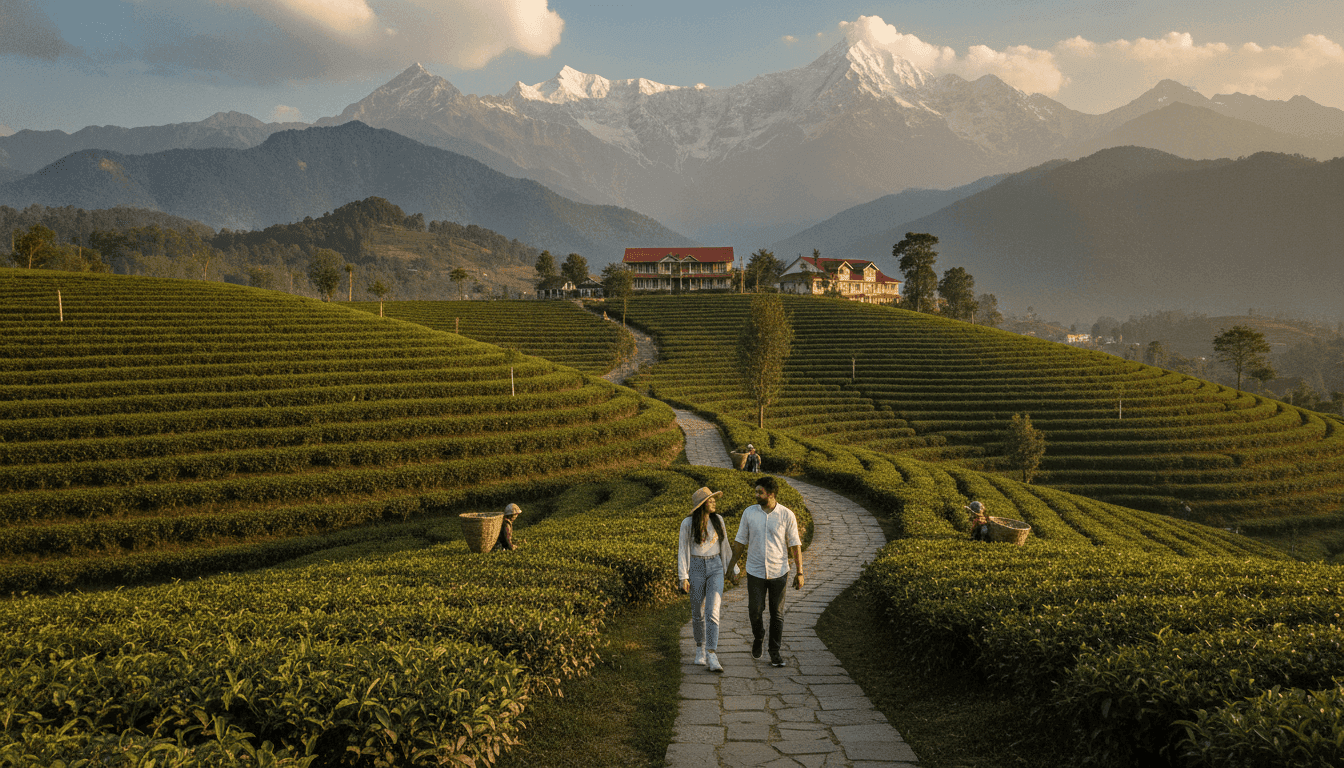
Discover Palampur’s lush tea gardens, scenic Dhauladhar views, peaceful walks and local attractions. Explore where to stay, what to do and how to plan a memorable tea garden getaway with Sarovar Hotels.
Surrounded by green tea plantations and backed by the Dhauladhar mountain range, Palampur offers a refreshing escape in Himachal Pradesh. The town is known for its tea-growing heritage, mountain scenery, historic temples and artistic communities, making it a rewarding destination for travellers who want to combine nature with local culture.
A visit to a Palampur tea garden can be a relaxing part of your holiday, whether you want to learn about Kangra tea, enjoy a walk through the plantations or simply take in the surrounding landscape. With attractions such as Andretta Pottery Village, Neugal Khad and Baijnath Temple nearby, you can easily combine a tea garden visit with other experiences across the Kangra Valley.
In this guide, we explore what to expect from a tea garden visit, the best places to see, things to do, a suggested three-day itinerary and where to stay in Palampur.
Tea cultivation has been part of the Kangra Valley's history since the nineteenth century, when tea plants were introduced to the region. The area's climate and mountainous terrain helped establish Kangra as a distinctive tea-growing region.
Today, tea plantations remain an important part of Palampur's landscape. Rows of tea bushes stretch across the hills, creating a striking contrast with the surrounding forests and mountain peaks. The region is also known for Kangra tea, which has a Geographical Indication (GI) tag recognising its regional identity.
A visit to a Palampur tea garden offers more than scenic views. Depending on the estate and the arrangements available, you may be able to learn about tea cultivation, understand how leaves are processed or sample locally produced tea.
Tea estates differ in the experiences they offer, so it is worth checking arrangements before visiting. Here are a few activities you may be able to enjoy.
Walking through a tea estate is one of the simplest ways to appreciate Palampur's landscape. The neat rows of tea bushes, surrounding greenery and views of the Dhauladhar range create a peaceful setting for a morning or afternoon outing.
Wear comfortable shoes and follow any instructions provided by the estate. Tea plantations are working agricultural areas, so avoid stepping into planted rows or disturbing workers.
A plantation visit can help you understand how tea is grown and why the Kangra Valley is associated with a distinctive regional variety.
If the estate offers an organised tour, ask about its cultivation and harvesting practices. Some estates may also explain the differences between green and black tea and how processing influences flavour.
Factory visits and demonstrations are not available everywhere, so confirm these details in advance rather than assuming they are included.
Tea tasting can be a pleasant way to round off a plantation visit. Kangra tea is known for its distinctive aroma and flavour, with characteristics that vary according to the tea, growing conditions and processing method.
You can also look for locally packaged tea to take home as a souvenir. If you want to attend a formal tasting or buy directly from an estate, check the arrangements before travelling.
Wah Tea Estate is a well-known tea-growing destination in the Kangra Valley. It is worth considering if you want to learn more about local tea production and explore the plantation landscape. Check whether guided visits or tasting sessions are available on your chosen date.
Bundla Tea Estate is another option for travellers interested in the area's tea-growing heritage. Its surroundings offer a glimpse of the green landscape that makes Palampur distinctive.
Before visiting either estate, confirm opening arrangements and whether tours or other visitor activities require advance booking.
Located around 13 km from Palampur, Andretta is known for its artistic heritage. The village became associated with artists and craftspeople, including Irish playwright Norah Richards and painter Sobha Singh.
Visitors can explore the Sobha Singh Art Gallery and learn about the area's pottery traditions. Workshops may be available at local pottery centres, depending on their schedule.
Andretta is a good addition to your itinerary if you enjoy art, traditional crafts and quieter village experiences.
Neugal Khad is a scenic stream near Palampur, with views of the surrounding hills and the Dhauladhar range on clear days. It is a popular place to spend time outdoors, enjoy the landscape and take photographs.
The area can be particularly appealing after the monsoon, although water levels and ground conditions vary with the weather. Stay away from unstable edges and follow local safety instructions near the stream.
Saurabh Van Vihar is a nature park near Palampur named in honour of Indian Army officer Captain Saurabh Kalia. Its landscaped areas and tree-lined paths make it a useful stop for families and travellers looking for a relaxed outdoor activity.
You can include the park in a half-day sightseeing plan or visit it after exploring nearby attractions. Check current facilities and opening arrangements before setting out.
Located around 16 km from Palampur, Baijnath Temple is a historic shrine dedicated to Lord Shiva. The temple is known for its stone architecture, intricate carvings and religious significance.
It offers a cultural contrast to the region's tea plantations and nature spots. As it remains an active place of worship, dress respectfully and follow the temple's visitor guidelines.
Tashi Jong is a Tibetan Buddhist monastery complex in the wider Kangra Valley. Its religious buildings, traditional artwork and peaceful surroundings make it an interesting stop for visitors who want to explore the region's Buddhist heritage.
Check visitor arrangements before travelling, particularly if you want to visit during a prayer session or religious programme.
Tea plantations are a major attraction, but there are several other things to do in Palampur if you want to make the most of your stay.
Try Kangri Cuisine: Look for regional dishes such as Dham, Madra and Siddu at local restaurants. Availability and preparation vary between establishments.
Explore Local Markets: Shop for Kangra tea, local handicrafts and woollen items to take home.
Take a Nature Walk: Explore suitable walking routes around the countryside and forested areas. Choose a trail based on your fitness level and current weather conditions.
Visit Bir Billing: Travel to Bir Billing for mountain views, cafés and Tibetan cultural experiences. Paragliding may be available through local operators, subject to weather and operating conditions.
Discover the Kangra Valley Railway: The narrow-gauge railway offers a different way to experience the region. Check the current timetable and operating status before planning a journey.
These activities allow you to balance sightseeing with time to relax, rather than filling every day with long drives.
Three days give you enough time to explore a tea estate, discover local heritage and enjoy a nearby excursion without rushing through your holiday.
Morning: Arrive in Palampur, check into your hotel and head to Wah Tea Estate or Bundla Tea Estate. Explore the plantation if visitor access is available, and ask about tea tasting or guided tours.
Afternoon: Enjoy lunch in town before visiting Neugal Khad for mountain views and time outdoors.
Evening: Return to Palampur, browse local shops and try a regional meal.
Morning: Travel to Andretta Pottery Village and visit the Sobha Singh Art Gallery. If a pottery workshop is available, you can include it in your visit.
Afternoon: Continue to Baijnath Temple to explore its architecture and religious heritage.
Evening: Return to Palampur and enjoy a relaxed dinner at your hotel or a local restaurant.
Morning: Choose between Saurabh Van Vihar and Tashi Jong Monastery, depending on your interests and the time available.
Afternoon: If you prefer a longer excursion, consider travelling to Bir Billing for cafés, monasteries and views of the surrounding landscape. If you plan to paraglide, confirm weather conditions and book with a reputable operator.
Evening: Return to your hotel before beginning your onward journey or extending your stay.
Travel times can vary with road conditions, weather and your starting point. If you want to visit Bir Billing and several Palampur attractions, consider adding an extra day.
Palampur can be visited throughout the year, but the experience changes with the seasons.
March to June: The weather is generally suitable for sightseeing, tea garden walks and outdoor activities.
July to September: The monsoon can make the landscape lush and green, but rain may affect travel plans and walking routes.
October to November: Post-monsoon conditions can offer pleasant opportunities for sightseeing and views of the surrounding mountains.
December to February: Winter brings colder mornings and evenings. Carry warm clothing, especially if you plan to spend time outdoors.
For a Palampur tea garden visit, check with the estate about its current visitor arrangements and seasonal activities. Tea harvesting and processing schedules vary, so a particular activity may not be available on every visit.
A little preparation can help you enjoy the region comfortably.
Confirm Tea Estate Visits: Contact the estate before travelling to check visitor access, tours and tasting sessions.
Pack for Changing Weather: Carry comfortable daytime clothing and a warm layer for cooler mornings and evenings.
Wear Suitable Footwear: Walking shoes with good grip are useful for plantations, uneven paths and outdoor attractions.
Check Local Conditions: Rain, fog and mountain road conditions can affect travel times and outdoor activities.
Plan Your Transport: A taxi or private vehicle can be convenient for visiting attractions outside central Palampur.
Respect Local Customs: Follow the rules at temples, monasteries, galleries and working tea estates.
Choosing a conveniently located hotel in Palampur can make it easier to explore the tea plantations, cultural attractions and surrounding Kangra Valley.
RS Sarovar Portico, Palampur is located in Ghugghar near Ram Chowk on Dharamshala Road. It offers a base for exploring Palampur and nearby attractions, including tea estates and Neugal Khad.
The hotel has several room categories and facilities such as Wi-Fi, parking, a fitness centre and travel desk services. Dining options include Cloud 7, a multi-cuisine revolving restaurant; 360 Degree Bar and Restaurant; and The Terrace, which serves Indian and international cuisine.
Whether you are planning a short tea garden break or a longer stay in the Kangra Valley, consider the hotel's location and facilities alongside your itinerary. Check current room availability, rates and booking terms before confirming your stay.
A trip to Palampur combines the quiet beauty of tea plantations with mountain scenery, traditional crafts and historic sites. From learning about Kangra tea to exploring Andretta, visiting Baijnath Temple and spending time around Neugal Khad, you can create a varied itinerary without rushing from one attraction to another.
Plan tea estate visits in advance, leave some flexibility for the weather and choose accommodation that suits your travel plans. With a thoughtful mix of local experiences and time to unwind, Palampur can be a rewarding destination for a relaxed Himachal Pradesh getaway.
For your stay, explore Sarovar Hotels to discover accommodation options that can help make your next trip comfortable and memorable.